Wide Nose Rhinoplasty: Narrowing the Bridge, Tip, and Nostrils Safely
Talk to our team
In this article 16 sections
A wide nose can be one of the most prominent facial features you notice every time you look in the mirror. Whether the width comes from broad nasal bones, a rounded tip, flared nostrils, or all three, wide nose rhinoplasty offers a structured, lasting solution to bring your nose into better proportion with the rest of your face.
Key Takeaways
- Wide nose rhinoplasty narrows the nasal bridge and nostrils by reshaping bone, cartilage, and soft tissue. Depending on your anatomy, the procedure may be performed as an open or closed rhinoplasty, bulbous nose rhinoplasty, alar base reduction, or a combination of these techniques.
- This nose job can address both cosmetic concerns (wide nasal bones, a bulbous nasal tip, flared nostrils) and functional issues such as a deviated septum or restricted airways in a single operation. Rhinoplasty can also improve airflow if it addresses structural problems like a deviated septum.
- Results are long-lasting, but final refinement of residual swelling can take 12–18 months, particularly in patients with thicker skin or significant bone work. Rhinoplasty is among the most common cosmetic procedures in the U.S., with nearly 220,000 performed annually.
- The More Clinics connects patients with vetted facial plastic surgeons and ENT–facial plastic specialists in countries such as Turkey, Hungary, Poland, Mexico, and Thailand for safe, cost-transparent rhinoplasty surgery.
What Is Wide Nose Rhinoplasty?
Wide nose rhinoplasty is a type of nose rhinoplasty that narrows an overly wide nasal bridge, bulbous tip, and/or broad nostrils to achieve better facial harmony. The procedure reshapes nasal bones in the upper third of the nose, refines cartilage in the middle and lower third, and sometimes removes soft tissue at the alar base to reduce overall width.
This can be a purely cosmetic facial plastic surgery or combined with functional correction-like straightening a deviated septum-in a single operation. Rhinoplasty can improve facial symmetry and aesthetics when the width of the nose overpowers other facial features.
The main surgical variations include:
- Open rhinoplasty - an incision across the columella (the tissue between the nostrils) for major restructuring and direct visualization.
- Closed rhinoplasty - all incisions hidden inside the nostrils for subtle changes with less external scarring.
- Bulbous nose rhinoplasty (tiplasty) - targeted reshaping of the nasal tip to improve definition.
- Alar base reduction (alarplasty) - tissue removal at the nostril base to narrow wide or flared nostrils.
A good result respects the patient's ethnic features and aims for harmony rather than a generic, one-size-fits-all nose. The goal is proportion, not erasure.
Understanding Why a Nose Looks "Wide" (Bridge, Tip, and Nostrils)
Perceived nose width can stem from different structures: the upper nasal bones, the cartilage at the nasal tip, or the soft tissue and skin of the nostrils. Understanding your nasal anatomy is essential because each structure requires a different surgical approach.
The nasal bridge. When the nasal bones are flat, low, or set wide apart, the bridge looks broad and the mid-face can appear flatter. This bone structure issue is common across certain ethnic groups and is influenced by genetic factors.
The bulbous nasal tip. A bulbous nose features a round, poorly defined nasal tip often caused by thick or weak cartilage, and sometimes by thick skin that blunts contour. The tip may lack projection, making the nose look wider from the front.
Wide or flared nostrils. When the ala (the sidewalls of the nose) curve far from the face or the nostril sill is wide, the base of the nose appears broad. Large nostrils or flared nostrils contribute significantly to a wide nose appearance.
Adjusting nasal width can improve facial balance and proportion. Nasal structure complexity also contributes to the potential for complications during rhinoplasty, which is why a facial plastic surgeon will examine each area separately during a consultation to decide whether bone narrowing, tip refinement, alar base reduction, or a combination is needed.
Types of Wide Nose Rhinoplasty Procedures
Surgeons choose the rhinoplasty technique based on where the width is located, skin thickness, and whether breathing must be improved.
Open wide nose rhinoplasty uses a tiny incision across the columella plus internal incisions. Open rhinoplasty involves incisions between the nostrils for major restructuring, making it ideal for complex bulbous nose rhinoplasty, significant osteotomies, and revision cases after a previous rhinoplasty.
Closed rhinoplasty makes all incisions inside the nostrils for more moderate refinement of the bridge and tip. It typically results in less swelling and no external scar, though it offers less visualization for the surgeon.
Osteotomies for wide nasal bones. The procedure can involve breaking the upper nasal bones. Osteotomy involves making precise cuts in the nasal bones to narrow the bridge, then gently repositioning them inward. Wide nose rhinoplasty often involves breaking the upper nasal bones when the bony vault is the primary source of width.
Bulbous nose rhinoplasty (tiplasty). Bulbous nose rhinoplasty reshapes the nasal tip to improve definition through cartilage suturing, trimming of the cephalic margin, and sometimes adding small grafts for support. The aim is a refined nose tip that still looks natural-not pinched or artificial.
Alar base reduction (alarplasty). Alarplasty is a technique to reduce nostril width. This nostril reduction rhinoplasty removes small wedges of tissue at the nostril base, and alarplasty narrows nostrils by removing excess tissue at the base. Closure is done with fine sutures in the natural crease so scars stay inconspicuous.
Combined functional surgery. Some patients need nostril reduction alongside septoplasty to correct a deviated septum and improve airflow through the nasal passages. Whether the case calls for major restructuring or minor restructuring, the surgeon must ensure narrowing does not compromise the airway.
Who Is a Good Candidate for Wide Nose Rhinoplasty?
A good candidate is an adult who feels their nose is disproportionately wide, is medically fit for anesthesia, and has realistic expectations about improvement-not perfection.
Aesthetic indications include:
- A broad nasal bridge that dominates other facial features
- A bulbous tip lacking definition
- Wide or flared nostrils, or excessive nostril size
- A nose appearance that causes self consciousness and affects confidence
Functional or medical reasons may overlap: difficulty breathing through the nose, a history of trauma, a deviated septum, or sleep issues related to nasal obstruction. (Best Age for Rhinoplasty)
Related Post: Aquiline Nose Meaning, Appearance, and Treatment Options
Ideal candidates are non-smokers aged 16 and older, with most surgeons waiting until facial growth is complete-around 16–17 years for girls and 17–18 years for boys. Older adults should have stable health and skin quality evaluated. Potential risks of rhinoplasty include breathing difficulties and unsatisfactory aesthetic outcomes, which makes honest consultation essential.
Realistic expectations are crucial for rhinoplasty outcomes, focusing on improved proportion rather than perfection. Consultation with a board-certified surgeon includes assessing nasal anatomy and achievable changes, and you should discuss your specific aesthetic goals with the surgeon before committing. The right rhinoplasty can help you feel confident in your facial features without erasing the character of your face.
Preparing for Wide Nose Rhinoplasty
Good preparation reduces risks and improves healing, especially for operations involving bone cuts and cartilage reshaping. Choose a surgeon with extensive rhinoplasty experience before anything else.
Pre-operative consultation typically includes:
- Full medical history and physical exam
- Photographs from multiple angles
- 3D imaging or computer simulation to preview bridge narrowing, bulbous tip refinement, or alar base reduction
Common instructions before surgery:
| Timeframe | Action |
|---|---|
| 4–6 weeks before | Stop smoking and vaping |
| 1–2 weeks before | Pause aspirin, ibuprofen, and certain supplements (under doctor supervision) |
| 1 week before | Limit alcohol intake |
| Day before | Arrange time off work (7–10 days typical), set up a recovery space with extra pillows |
For international patients, plan at least 7–10 days in the destination city, book accommodation near the clinic, and confirm follow-up arrangements. The More Clinics' patient advocates can help compare clinics, verify surgeon credentials, and coordinate pre-operative tests in popular destinations like Istanbul, Antalya, Budapest, or Cancun.
What Happens During Wide Nose Rhinoplasty Surgery?
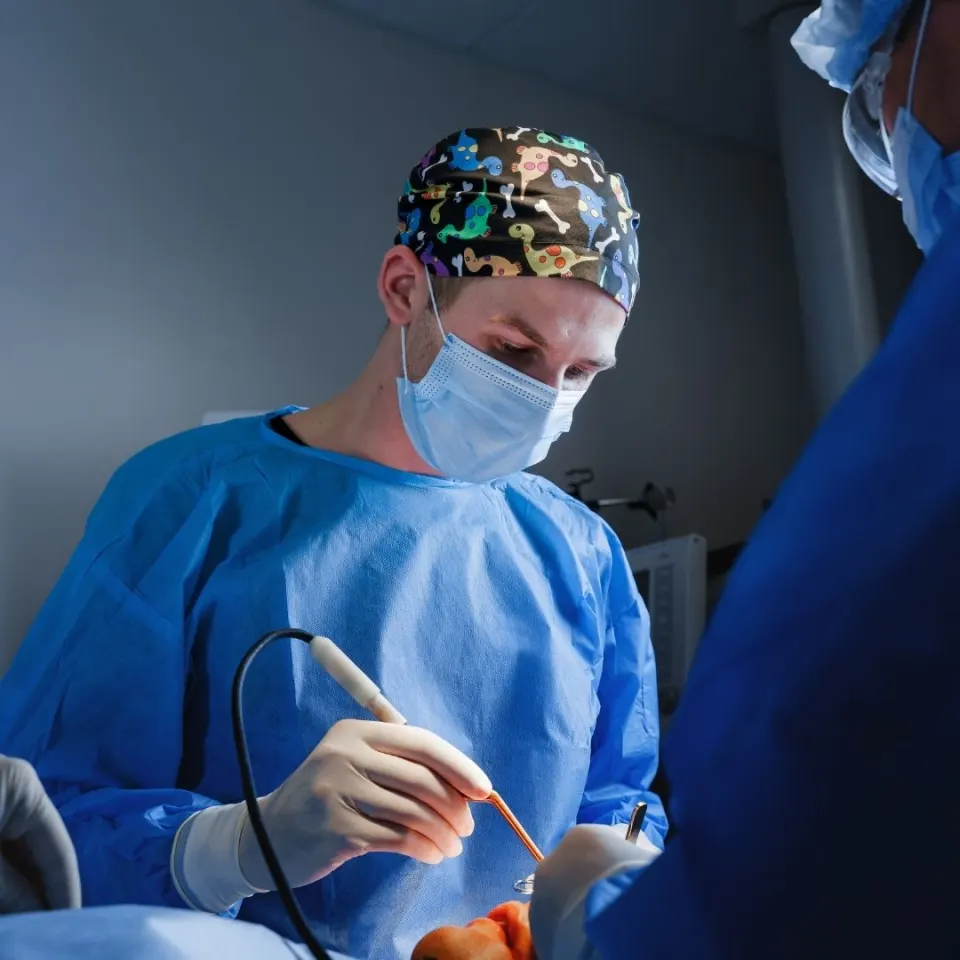
Wide nose rhinoplasty is usually a 1.5–3 hour procedure performed on an outpatient basis in an accredited clinic or hospital. Rhinoplasty is generally performed under general anesthesia or deep IV sedation, often combined with local anesthesia for precision and post-operative comfort.
Step-by-step overview:
- The surgeon marks the nose while the patient is upright, then administers anesthesia.
- Incisions are made (open or closed approach).
- For wide nasal bones, precise bone cuts at the sides of the nose bring the bones inward to narrow the bridge while preserving overall symmetry.
- For a bulbous tip, the surgeon trims and sutures the lower lateral cartilages, possibly adding small grafts so the tip looks refined but still natural.
- For nostril reduction, tiny wedges of tissue are removed at the nostril base, then closed with fine sutures placed in the natural crease.
- Internal splints or soft packing are placed when indicated, and an external nasal splint protects the new structure.
Patients typically go home the same day once fully awake and stable. Costs vary based on surgery length, anesthesia, and surgeon's experience, so obtaining detailed quotes during your consultation is important.
Recovery Timeline, Scars, and Long-Term Results
Wide nose rhinoplasty recovery moves through distinct phases. Understanding what to expect at each stage helps you plan your rest and return to daily life.
Week 1. Recovery involves wearing a nasal cast for about 5 to 7 days after the procedure. Expect congestion, mild to moderate swelling and bruising around the eyes, and the need to sleep with your head elevated. Pain and discomfort can be managed with prescribed medication. Most patients resume normal activities within one week, though the nose will still feel tender.
Weeks 2–4. Swelling and bruising resolve within 1–2 weeks post-surgery. The splint and external stitches come off, and most people feel comfortable being in public. The nasal tip and bridge still appear slightly swollen, especially after bulbous tip or alar base work.
Activity restrictions:
- Strenuous activities should be avoided for 2–3 weeks after surgery
- Contact sports and risk of trauma should be avoided for about 6 weeks
- Heavy glasses or sunglasses should not rest on the bridge for 4–6 weeks
Scarring. In closed rhinoplasty, scars are hidden inside the nose. In open rhinoplasty and alar base reduction, small external scars usually fade well and can be camouflaged with makeup after the healing process is underway.
Long-term results. Most patients see their new nose shape by 3–6 months, but swelling after rhinoplasty can take up to a year to fully resolve, especially at the tip. Full recovery from alarplasty typically takes 1–3 months. In thick-skinned patients, residual swelling at the nasal tip may continue refining for up to 18–24 months. Recovery time varies, but the wait is worth it for a result that can make a nose smaller and more proportionate permanently.

Non-Surgical Options and When They Make Sense
Not every concern about a wide nose requires invasive surgery. Some mild issues can be improved without going under the knife, but these approaches have real limitations.
Non surgical rhinoplasty (liquid nose job) uses hyaluronic acid fillers to lift a low bridge, camouflage small irregularities, or create the illusion of a narrower nose by improving projection. Results typically last 9–18 months and must be repeated. However, fillers cannot actually narrow wide nasal bones or reduce bulbous cartilage. Adding volume to an already wide nose may even make the nose appearance look larger.
Makeup contouring can visually slim the nose for photos or daily wear, but it is entirely temporary and dependent on lighting and skill.
Anyone with significant width, breathing problems, or a desire for permanent structural change is better served by surgical wide nose rhinoplasty. A non surgical rhinoplasty fix simply cannot replicate what bone and cartilage reshaping can achieve.
Choosing a Surgeon and Using The More Clinics Safely
Outcome quality depends heavily on the surgeon's specific experience with wide nose rhinoplasty-not just general facial surgery. Bone, cartilage, and soft-tissue work must be precisely balanced to achieve facial balance without over-correction.
Credentials to look for:
- Board-certified plastic surgeon or facial plastic surgeon, or an ENT surgeon with facial plastic training
- Look for double-board certification in facial plastic surgery
- Membership in reputable societies (ISAPS, AAFPRS)
- Ensure the surgeon specializes in ethnic rhinoplasty techniques if you want to preserve your ethnic identity
Review before and after photos of previous patients with similar starting anatomy-wide bridge, bulbous nose, flared nostrils-and look for natural-looking results that maintain facial harmony and overall symmetry without overpowering other facial features.
Key consultation questions:
- How many wide nose rhinoplasties do you perform per year?
- Do you prefer open or closed techniques for my anatomy?
- How would you manage a deviated septum if present?
- What's realistic for narrowing without over-resection?
The More Clinics is a healthcare marketplace and membership platform that uses doctor matching, verified reviews, and complication protection to connect patients with vetted cosmetic surgeon and reconstructive surgery specialists in countries like Turkey, Greece, UAE, India, Hungary, Poland, Mexico, and Thailand.
Patient advocacy experts review quotes, compare options, and support patients before and after facial plastic surgery-especially helpful for those travelling abroad or combining rhinoplasty with other procedures like breast augmentation or liposuction. Contact us today to book a Free Consultation or Free Treatment Assistance.
FAQs About Wide Nose Rhinoplasty
These questions cover practical concerns not fully addressed above, including longevity, combination procedures, cost, insurance, and deciding between techniques.
Does a wide nose rhinoplasty last forever, or will my nose get wide again?
Bone and cartilage changes from rhinoplasty are generally permanent. The nose does not "spread back" if healing goes normally and no new trauma occurs. Aging can subtly change soft tissues over decades, but most patients keep a narrower bridge and more refined tip long-term. A rhinoplasty fix through revision is only needed if there are complications, trauma, or dissatisfaction with the initial result.
Can I combine wide nose rhinoplasty with other surgeries like breast augmentation or a facelift abroad?
Many patients combine facial plastic surgery with other cosmetic procedures during one trip, but safety depends on total operating time, health status, and surgeon preference. Combined procedures should be done in accredited hospitals with proper anesthesia support. The More Clinics can help plan realistic treatment bundles and recovery time if combining rhinoplasty with breast augmentation, liposuction, or tummy tuck.
How much does wide nose rhinoplasty cost in popular medical tourism destinations?
Costs vary significantly by location. In Turkey, primary rhinoplasty ranges approximately $3,000–$5,500, with ethnic or complex cases closer to $4,000–$6,500. Mexico ranges from roughly $3,800–$6,500. In the U.S., primary rhinoplasty often costs $12,000–$16,000 or more. Alarplasty costs between $6,000 to $9,000 in NYC alone. Complex bulbous nose rhinoplasty or revision cases cost more everywhere. Check The More Clinics' rhinoplasty cost calculator for current, country-by-country estimates with membership discounts.
Will insurance ever cover part of a wide nose rhinoplasty?
Purely cosmetic rhinoplasty-narrowing a wide bridge or bulbous tip without documented breathing issues-is usually not covered by insurance. When there is documented functional impairment (deviated septum, nasal valve collapse), some insurers may cover the functional portion, while the cosmetic narrowing remains self-pay. Ask your surgeon for detailed documentation and check with your insurer in advance.
How do I know if I need alar base reduction versus tip refinement only?
Patients who feel their nostrils are very wide or flare when they smile often benefit from alar base reduction, while those mainly bothered by a round, undefined tip usually need bulbous nose rhinoplasty.
A thorough in-person or high-quality video examination is essential-the surgeon will assess nostril size relative to the mouth and eyes and how much the alar base moves during expression. Bring reference photos to clarify whether your main concern is nostril width, tip shape, or both, so you and your surgeon can align on your aesthetic goals.
This article provides general information and does not replace an individual medical assessment, diagnosis or treatment advice. Discuss decisions about your health and treatment with your treating clinician.