Closed Rhinoplasty: Scarless Nose Job Guide by The More Clinics
Talk to our team
In this article 16 sections
If you are considering a nose job but want to avoid a visible scar, closed rhinoplasty may be the right path. This guide covers everything from candidacy and surgical steps to recovery, costs, and how to choose a surgeon-whether you stay local or travel abroad for your rhinoplasty surgery.
Key Takeaways
- Closed rhinoplasty, also called endonasal rhinoplasty, is a scarless nose job technique where all incisions are hidden inside the nostrils. It typically results in less postoperative swelling and a faster recovery than open rhinoplasty, making it appealing for patients who want a more natural looking outcome with minimal downtime.
- This closed approach is best suited for mild to moderate changes such as dorsal hump removal, nasal tip refinement, or slight narrowing of the nose bridge. Open rhinoplasty is usually preferred for very complex cases, major reconstructive rhinoplasty, or previous nasal surgeries that left significant scar tissue formation.
- The national average cost for closed rhinoplasty is $7,350 in the United States, with a broad range from $2,000 to $12,000 depending on location and complexity. Patients can save 50–70% by having surgery in destinations like Turkey, Mexico, Poland, or Thailand through The More Clinics network.
- The choice between open or closed rhinoplasty should always be made alongside an experienced, board certified plastic surgeon after an in-person or virtual assessment of your nasal anatomy and breathing function.
- The More Clinics offers AI doctor matching, verified surgeons in 40+ countries, cost calculators, and complication protection to help patients safely plan closed rhinoplasty surgery abroad.
What Is Closed Rhinoplasty? (Clear Definition & When It's Used)
Closed rhinoplasty is a plastic surgery technique where all incisions are made entirely inside the nostrils, so there is no visible external scar on the outside of the nose. Surgeons sometimes call it the closed technique or endonasal approach.
Through these hidden incisions, the surgeon reshapes the nasal structures-smoothing a dorsal hump on the nasal bridge, narrowing the nasal bone, refining a bulbous nose tip, or making subtle symmetry corrections. Unlike a non-surgical "liquid nose job" done with fillers, this is a full surgical procedure typically performed under general anesthesia. The procedure can be completed in one to three hours depending on the scope of work, and it is ideal for patients needing minor nasal adjustments.
Closed rhinoplasty leaves no visible external scars. When performed by a skilled surgeon, it delivers long-lasting, natural looking outcome changes to nasal shape without an external columellar scar. It can also address some functional issues like a mild deviated septum or internal valve weakness, depending on surgeon expertise.

Closed vs Open Rhinoplasty: Which Approach Fits Your Nose?
Understanding open vs closed rhinoplasty starts with the incision. In an open procedure, the surgeon makes a small external incision-a narrow strip of tissue cut across the columella (the skin between the nostrils)-plus internal incisions. This incision across the columella allows the nasal skin to be lifted entirely, exposing the full nasal framework. In the closed procedure, all incisions inside the nostrils remain hidden, and the surgeon works through limited internal access without fully lifting the soft tissue envelope.
Here are the practical differences when comparing open and closed rhinoplasty:
- Scarring: Closed rhinoplasty leaves no visible scarring. Open rhinoplasty leaves a small incision scar on the columella that usually fades but is technically visible.
- Swelling pattern: Closed surgery typically results in minimal swelling and a shorter recovery period because the nasal skin is not fully elevated. Open rhinoplasty can produce more initial swelling, especially at the nasal tip.
- Surgeon visibility: Better visualization of nasal structures is a benefit of open rhinoplasty, which provides greater precision for complex nasal reshaping. Closed rhinoplasty has limited visibility for the surgeon, requiring more tactile skill.
- Surgery time: Closed rhinoplasty often yields a shorter surgery time compared to open rhinoplasty for equivalent work.
- Best for: The closed approach suits small to moderate hump reduction, minor tip refinement, and slight bridge narrowing. The open technique is more common for major tip reconstruction, severely crooked noses, or complex revision rhinoplasty with extensive scar tissue.
The honest truth about open and closed rhinoplasties: neither is universally superior. Surgeon experience is crucial in both closed and open rhinoplasty techniques. Look for plastic surgeons comfortable with both approaches, or at minimum transparent about the limits of their preferred method. Unlike open rhinoplasty, the closed approach simply trades direct visualization for less tissue disruption-each has its place depending on your nasal anatomy.
Related Post: Aquiline Nose Meaning, Treatment Options
Who Is a Good Candidate for Closed Rhinoplasty?
Not every nose is suited for the closed approach, and realistic expectations matter as much as anatomy. Candidates should have realistic expectations about surgical outcomes before committing to any cosmetic procedure.
Ideal candidates for closed rhinoplasty seek mild to moderate nasal changes: a small bump on the nose bridge, a slightly droopy or bulbous nasal tip, or minor width adjustments. Closed rhinoplasty suits patients wanting subtle changes without extensive work. On the functional side, mild breathing difficulties from a small septal deviation or internal nasal valve weakness can often be corrected through internal incisions without complex grafting.
Candidates should be in overall good health and non-smokers (or willing to quit several weeks before and after surgery), at a stable body weight, with no uncontrolled chronic conditions. Skin quality matters too-those with extremely thick skin or very thin nasal skin may face limitations.
Poor candidates include those needing extensive tip reshaping or structural grafts, major correction of severe crookedness from trauma, or enlarged turbinates requiring separate intervention. Previous extensive nose surgeries can also complicate a closed surgery; slight touch-up revision rhinoplasty may be done closed, but complex revisions typically require the open approach.
The More Clinics' doctor-matching and free case review can connect you with verified surgeons in Istanbul, Athens, or Mexico City for an honest assessment of whether a closed rhinoplasty procedure fits your goals.
How Closed Rhinoplasty Surgery Is Performed (Step by Step)
Here is what a typical rhinoplasty procedure day looks like, from arrival to discharge.
Pre-op: You check in at the clinic, the surgeon reviews final markings, photos are taken from multiple angles, and the anesthesia team confirms your plan. Most patients receive general anesthesia, though deep sedation is occasionally used for very short cases. Some clinics offer computer imaging to preview realistic changes to your new nose before you go under.
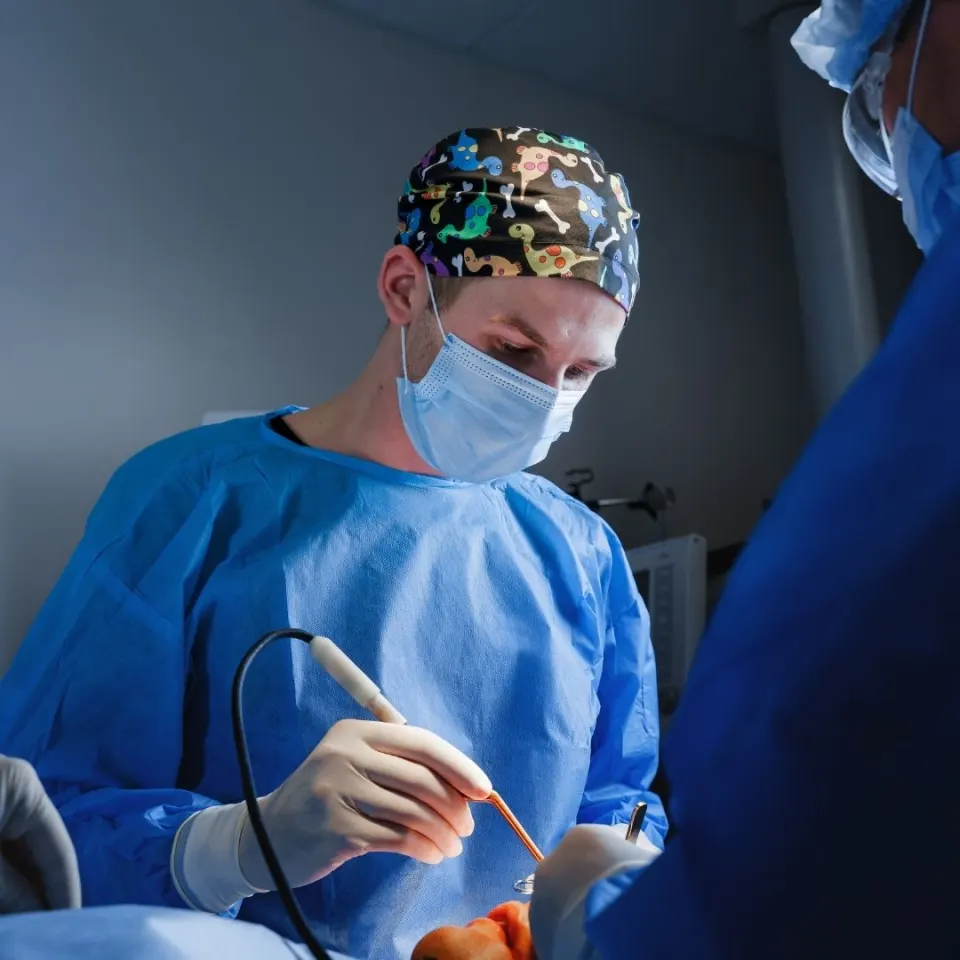
The surgery: The surgeon makes a small incision (or incisions) inside the nostrils-no external incisions are needed. Soft tissue is carefully elevated without fully lifting the nasal skin from the nasal framework. Through this access, the surgeon reshapes bone and cartilage: rasping or trimming a hump, performing lateral osteotomies to narrow the nasal bone, and sculpting or suturing tip cartilages to refine the nose tip.
Cartilage grafts from the nasal septum may be placed to support the bridge or tip, maintaining breathing function while refining the nasal shape. The surgeon then closes the internal incisions with dissolvable sutures, applies an external nasal splint, and may place internal silicone splints depending on the work done.
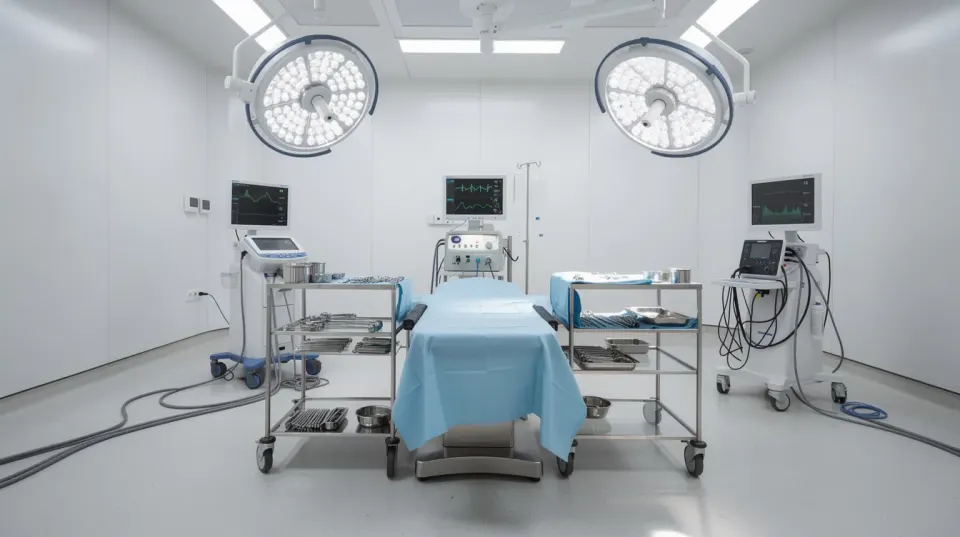
Realistic operating times: around 60–90 minutes for a straightforward closed procedure, up to two to three hours for combined functional and cosmetic corrections. With The More Clinics partner hospitals in Turkey, Poland, and Thailand, most patients are discharged the same day after a few hours of monitoring.
Recovery After Closed Rhinoplasty: Timeline, Swelling & Scars
Closed rhinoplasty typically has a faster recovery than open rhinoplasty, but patience is still essential-final results can take 12–18 months to fully refine.
Week 1: Expect bruising and swelling around the eyes and nose, nasal congestion, and an external splint protecting your new nose. Sleep with your head elevated on extra pillows. Many patients use cold compresses and prescribed pain relief for the first two to three days. Recovery involves managing mild to moderate swelling and congestion during this phase.
Weeks 2–6: The splint comes off around day 5–7. Visible bruising is mostly gone by 10–14 days. Swelling and bruising improve within one to two weeks, and most patients return to normal activities in one to two weeks. Patients usually feel ready to return to work within 7–10 days. Continue avoiding exercise, heavy lifting, and resting glasses on the bridge during this window.
Months 2–6: Gradual reduction of swelling, especially at the nasal tip. Friends will notice your refined profile, but small changes are still occurring. Because the nasal skin is not fully lifted in a closed approach, many patients see a "socially presentable" result sooner than after an open rhinoplasty-contributing to the shorter recovery period many patients appreciate.
Scarring: This technique leaves no visible external scars after surgery. All scars are internal and invisible in normal social situations, though internal healing can cause temporary stiffness or numbness.
Aftercare essentials: Follow surgeon instructions on nasal rinses, avoid nose blowing for the first one to two weeks, use sun protection to prevent pigmentation changes, and keep all follow-up appointments. For medical tourists, The More Clinics patient advocates coordinate post-op video follow-ups and help interpret surgeon instructions once you are home, supporting optimal healing and a smooth recovery throughout the healing process.

Risks, Complications, and Revision Closed Rhinoplasty
Closed rhinoplasty, like any cosmetic procedure, carries risks-though serious complications are uncommon with experienced surgeons.
Common temporary side effects include swelling, bruising, numbness of the nasal tip or upper lip, congestion, minor bleeding, and temporary changes in smell or taste. Patients often experience less swelling and bruising with closed rhinoplasty than with the open approach, but some degree of discomfort is expected with any rhinoplasty.
Less common but important risks: infection, poor wound healing, persistent asymmetry, breathing difficulties from over-reduction or internal scar tissue formation, and dissatisfaction with shape that could lead to revision rhinoplasty. Closed rhinoplasty is not ideal for major structural changes or revisions-revision surgery is inherently more complex because of altered anatomy and scarring. For small tweaks, a closed revision may work, but major corrections often require the open technique. Data suggests revision rates after primary closed rhinoplasty hover around 8.6–8.8%.
Surgeons typically recommend waiting at least 9–12 months after the original surgery before considering revision, allowing proper healing and tissue stabilization.
The More Clinics Complication Protection Programme provides 12-month coverage for complications when patients book through the platform, including coordination of revision surgery with vetted surgeons and emergency support. Reduce your risk further by choosing verified, rhinoplasty-focused surgeons, disclosing your full medical history, stopping smoking, and following pre- and post-operative instructions strictly.
Closed Rhinoplasty Cost: Local vs. Medical Tourism
Rhinoplasty cost depends on location, surgeon experience, anesthesia type, and case complexity-not simply whether the approach is open or closed.
In the United States, closed rhinoplasty costs range from $2,000 to $12,000. The national average sits around $7,350. In popular medical tourism destinations like Turkey, Mexico, or Poland, the same closed rhinoplasty surgery can cost €2,500–€6,000 (roughly $2,700–$6,500), representing savings of 50–70% even after factoring in travel. Anesthesia and operating room costs are lower for closed rhinoplasty compared to open procedures, partly because of the shorter operating time.
Cost components to understand: surgeon's fee, hospital or surgical facility fee, anesthesia, pre-op blood tests and imaging, medications, and post-operative follow-up appointments.
Insurance coverage for closed rhinoplasty varies based on necessity. Insurers rarely cover a purely cosmetic nose job. They may partially cover functional components such as septoplasty for a deviated septum or correction of breathing difficulties, but the cosmetic concerns portion is nearly always self-funded.
The More Clinics Cost Calculator Centre lets patients compare closed vs open rhinoplasty prices across more than 40 countries, receive personalized estimates, and see exactly how far their budget stretches in Istanbul versus London or New York. Additional travel costs-flights, hotel, local transport-should be factored in, especially since surgeons prefer patients stay 7–10 days post-op.
Focus on value and safety, not just the lowest price. The More Health Club membership tiers (Basic, Premium, Elite) offer clinic discounts, personal advocacy, and complication protection for those planning nose surgeries abroad.
Preparing for a Closed Rhinoplasty Procedure (Home & Travel)
Good preparation-medical, practical, and emotional-makes any rhinoplasty procedure smoother, especially for patients traveling abroad for their cosmetic procedure.
Medical preparation: Stop smoking at least three to four weeks before surgery. Avoid blood-thinning medications and supplements (aspirin, ibuprofen, fish oil, some herbal products) per your surgeon's instructions. Complete any required blood tests, ECG, or imaging well in advance.
Consultation steps: During your comprehensive consultation, discuss your goals openly, review before-and-after photos of the surgeon's previous work, clarify whether an open or closed rhinoplasty is recommended for your case, and use computer imaging or digital simulation when available to preview a realistic desired outcome for your new nose.
For medical tourists: Arrive one to two days before surgery. Plan to stay near the clinic for about 7–10 days post-op. Book flexible return flights in case the surgeon advises a delay. The More Clinics patient advocates help schedule video consultations, review clinic quotes, verify surgeon credentials, and create a written treatment timeline.
Recovery space setup: Whether at home or in a hotel, prepare extra pillows to keep your head elevated, cold compresses or gel masks, soft foods, saline spray, prescribed painkillers, and entertainment for downtime.
Emotional readiness: Perfect symmetry is impossible in any nose job. Set realistic expectations, understand the healing process takes months, and arrange support from a friend or family member for the first 24 hours.
Choosing a Surgeon and Clinic for Closed Rhinoplasty (At Home or Abroad)
The surgical outcome of any rhinoplasty-open or closed-depends far more on the surgeon than on the surgical technique alone.
What to look for: Board certification in plastic surgery or facial plastic surgery, specific high-volume experience in rhinoplasty (including the closed approach), a large portfolio of before-and-after photos showing cases similar to yours, and clear explanations during consultation about why they recommend one approach over another.
Red flags: Unrealistic promises ("zero risk" or "guaranteed perfection"), heavy-pressure sales tactics, lack of verifiable credentials, no discussion of open vs closed options, or prices dramatically below local norms without explanation. A trustworthy surgeon will discuss limitations honestly-including when the closed approach is not the best fit for your nasal anatomy.
Why many patients travel: International patients often choose destinations like Istanbul, Antalya, Warsaw, Budapest, or Bangkok for their rhinoplasty because of specialized, high-volume rhinoplasty surgeons, modern accredited hospitals, and significantly lower costs than in the UK, Germany, or the US.
The More Clinics marketplace includes 4,800+ verified doctors across 127 countries, with multi-source reviews from Google, Trustpilot, and RealSelf. AI doctor-matching filters by budget, language, location, and whether you need open or closed rhinoplasty. Contact us to book a Free Consultation.
Questions to bring to your consultation: "Why do you recommend open vs closed for my case?" "How many closed rhinoplasty surgeries do you perform per year?" "What is your revision rate?" These questions help you gauge whether you have found a skilled surgeon who will prioritize your safety and your desired outcome.

FAQ: Closed Rhinoplasty Questions Patients Still Ask
Below are answers to common practical questions that come up most often from patients researching closed rhinoplasty through The More Clinics.
Is closed rhinoplasty always the better choice because there's no visible scar?
Not necessarily. While the absence of visible scarring is appealing, a closed rhinoplasty procedure is not automatically superior for every nose. Open rhinoplasty may offer better precision when major structural changes, significant asymmetry correction, or complex grafting are needed.
With meticulous surgical technique, the tiny open rhinoplasty scar on the columella usually heals to be barely noticeable-most patients report that friends never spot it. Prioritize long-term nasal shape, breathing function, and safety over the fear of a small, well-hidden scar when deciding between the two approaches. A more natural looking outcome depends on proper case selection, not just avoiding a small external incision.
Can closed rhinoplasty fix breathing problems as well as cosmetic issues?
Yes, closed rhinoplasty can address certain functional issues. A mild deviated septum, for example, can often be corrected through the same internal incisions used for cosmetic reshaping-a combined septoplasty and rhinoplasty. Internal nasal valve weakness can also sometimes be supported with small cartilage grafts placed through the closed approach.
However, severe structural problems-major deviation, collapsed sidewalls, or post-trauma deformities-may require the open procedure for full visualization and robust grafting. If you have long-standing nasal blockage, snoring, or chronic sinus issues, ask your surgeon for a functional assessment including endoscopy or CT scan before deciding on your approach.
How long do the results of a closed rhinoplasty last?
Results from closed rhinoplasty are designed to be permanent. The changes to nasal bone and cartilage are lasting unless the nose is later injured or another surgical procedure is performed. Some subtle shifts can occur over many years as tissues age, nasal skin thins, or gravity takes its course, but the overall nasal shape remains largely stable when the initial surgery preserves good structural support. Maintaining a healthy lifestyle, protecting your nose from trauma, and avoiding smoking helps preserve quality results for decades.
How soon can I fly home after closed rhinoplasty if I have surgery abroad?
Most patients are cleared to fly 7–10 days after surgery, once the splint is removed, initial swelling is controlled, and the surgeon is satisfied at a follow-up check. Flying home just two to three days after surgery is usually discouraged because of higher risk of bleeding, uncontrolled swelling, and limited access to the operating surgeon if a problem arises.
The More Clinics typically builds a minimum 7-day stay into treatment plans and can arrange hotel options near the hospital and airport transfers in destinations like Istanbul or Antalya.
What if I am unhappy with my closed rhinoplasty result?
First, allow enough time-at least 6–12 months-for swelling to settle before judging the final surgical outcome. The nasal tip and nose bridge can change substantially during the healing process, and what looks uneven at month two may resolve by month eight.
If cosmetic concerns persist, communicate openly with your original surgeon, compare current photos against pre-op images, and discuss whether the issue is residual swelling, scar tissue, or a structural change that might benefit from revision rhinoplasty. The More Clinics patient advocates can help obtain second opinions, compare options for revision (open or closed), and use the Complication Protection Programme where applicable to offset revision costs.
This article provides general information and does not replace an individual medical assessment, diagnosis or treatment advice. Discuss decisions about your health and treatment with your treating clinician.