Smoking & Surgery 2026: Implants, Plastic Surgery, Hair Transplant & Eye — When to Quit
Talk to our team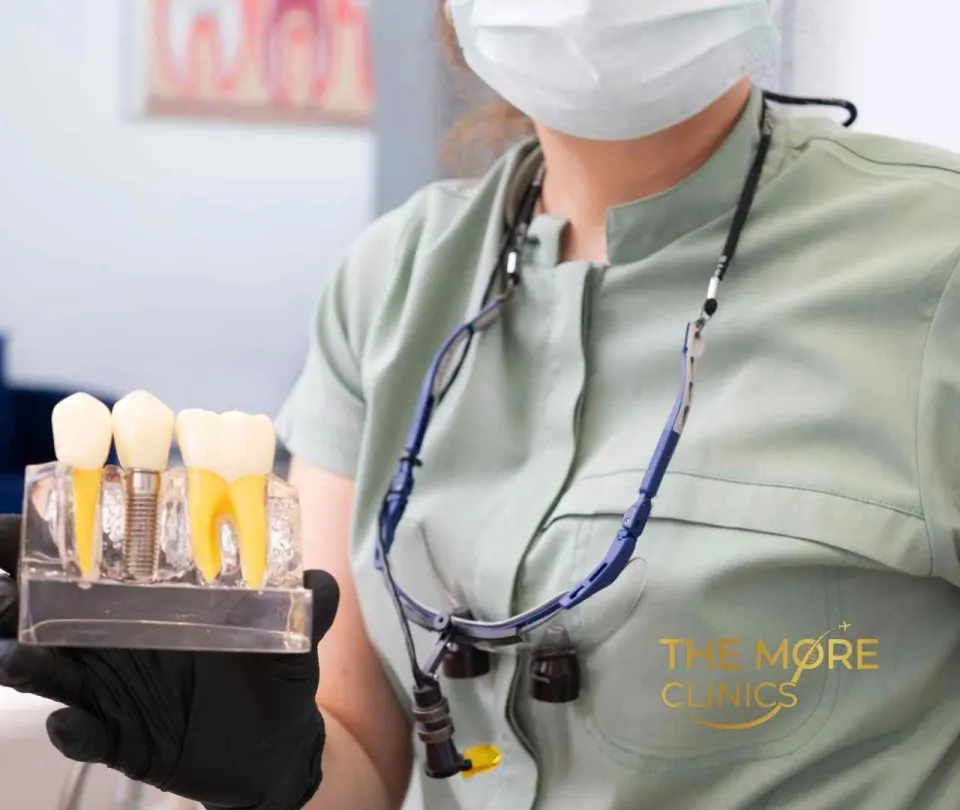
In this article 9 sections
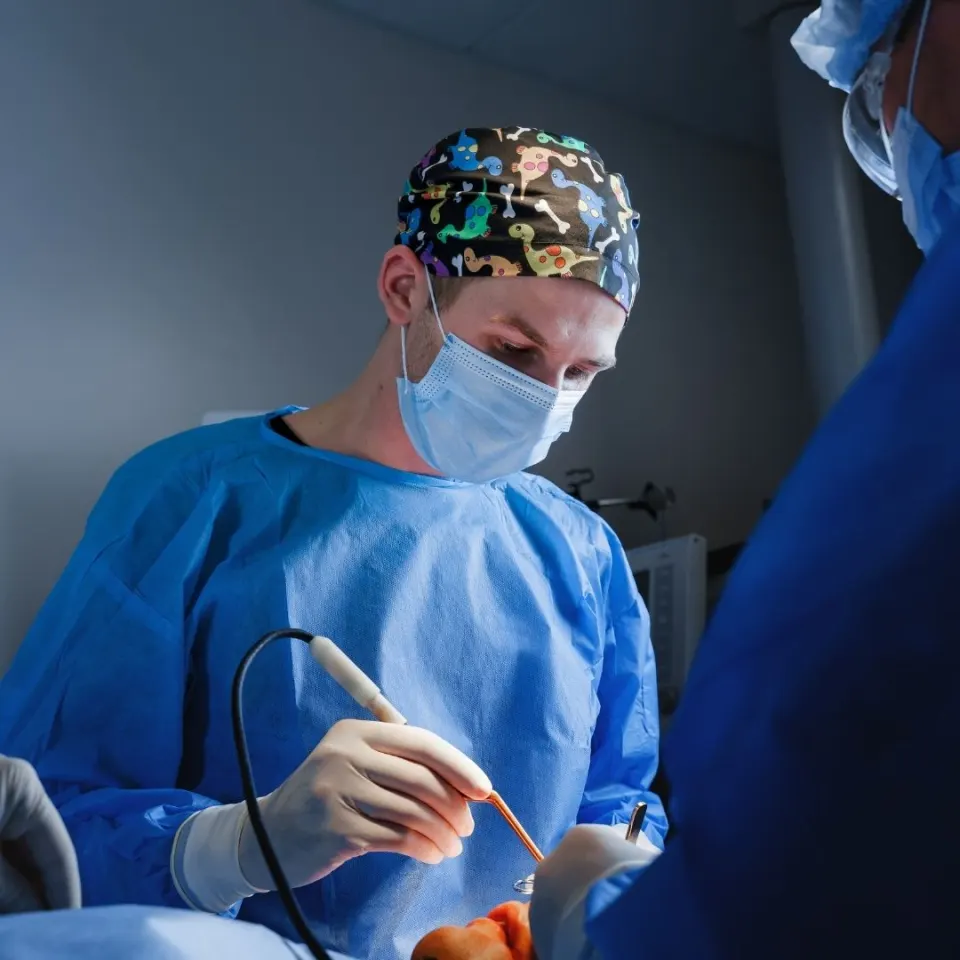
"Can I smoke before or after my procedure?" and "how long do I need to quit?" are among the most-searched questions before any elective surgery — and for good reason. Smoking is one of the single biggest controllable risk factors for surgical complications, affecting dental implants, plastic surgery, hair transplants and eye surgery alike.
The good news: quitting, even for a few weeks around your procedure, dramatically improves your odds. This evidence-based guide explains exactly how smoking affects each type of treatment, precisely when to stop, why vaping isn't a safe workaround, and answers the real questions patients ask.
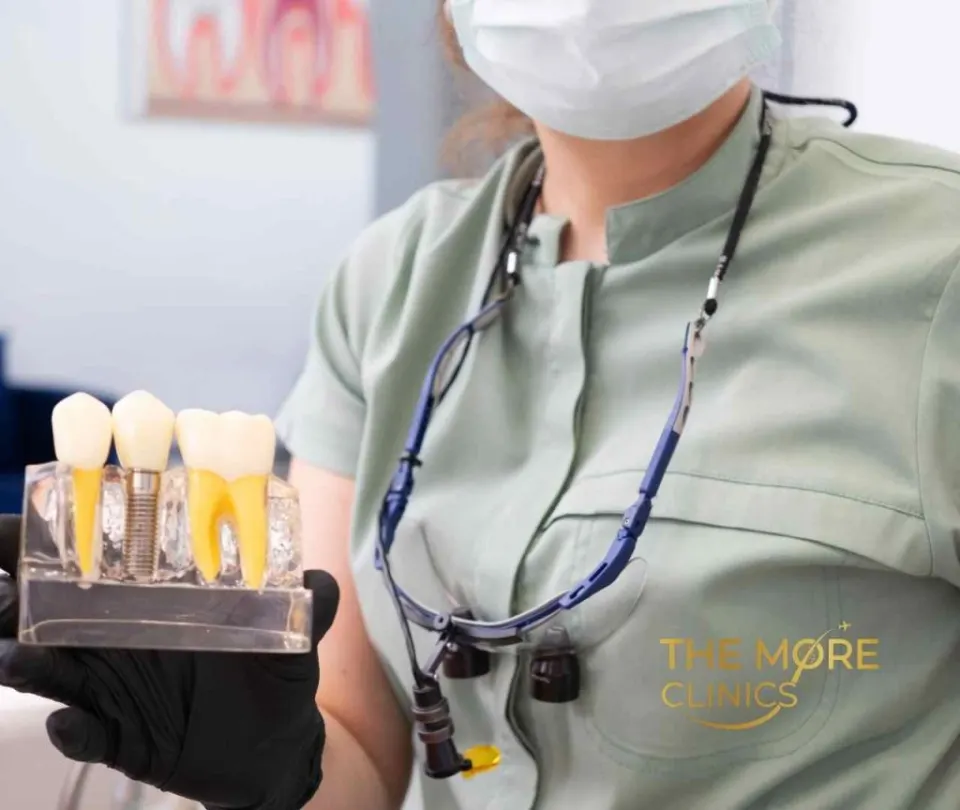
Smoking narrows your blood vessels and starves healing tissue of oxygen, which is why it roughly doubles or triples dental implant failure, raises skin necrosis risk up to ~13–15× after a facelift, and lowers hair transplant graft survival by 20–30%. Most surgeons advise quitting at least 2–6 weeks before and after (longer is better). Crucially, vaping, nicotine patches, gum and hookah carry the same risk — it's the nicotine. Quitting doesn't just help; it's often what makes the procedure safe.
Why smoking sabotages surgical healing
The mechanism is the same across every procedure, so understanding it once explains all of them. Three components of tobacco smoke do the damage:
- Nicotine causes vasoconstriction — it narrows blood vessels (by up to ~40%), sharply reducing blood flow to healing tissue. A single cigarette can lower skin oxygen levels for 30–50 minutes; for a regular smoker, tissue is in a near-constant state of oxygen starvation.
- Carbon monoxide displaces oxygen — it binds to haemoglobin in place of oxygen, so even the blood that reaches the wound carries less of what healing needs.
- Toxins impair immunity and tissue quality — smoke weakens white blood cells' ability to clear bacteria (raising infection risk) and damages collagen and elastin, which skin needs for strength and healing.
The result is slower healing, higher infection risk, poorer scarring, and — in procedures that lift skin or rely on delicate blood supply — actual tissue death (necrosis). This is why a smoker who healed fine after, say, an appendix operation can still run into serious trouble after cosmetic surgery: elective procedures often depend far more on the fine blood supply that nicotine chokes off.
When to quit: timing by procedure
There's no universal number — it depends on the procedure and how much tissue relies on blood supply. These are the commonly recommended windows (your own surgeon sets your target):
| Procedure | Stop before | Stay off after |
|---|---|---|
| Dental implants | 2–8 weeks (min. 2) | Ideally 3–6 months (osseointegration) |
| Bone/gum graft | 2 weeks min | 4–8 weeks |
| Plastic surgery (facelift, tummy tuck, breast) | 3–6 weeks | 3–6 weeks (longer better) |
| Hair transplant | 1–4 weeks (min. 7 days) | 2 weeks min, ideally 1 month+ |
| Eye surgery | As advised (days–weeks) | Through healing phase |
Two universal rules cut across all of them: the first 72 hours after surgery are the most critical (grafts and flaps are most vulnerable then), and longer is always better — former smokers who abstain 12+ months approach non-smoker risk levels.
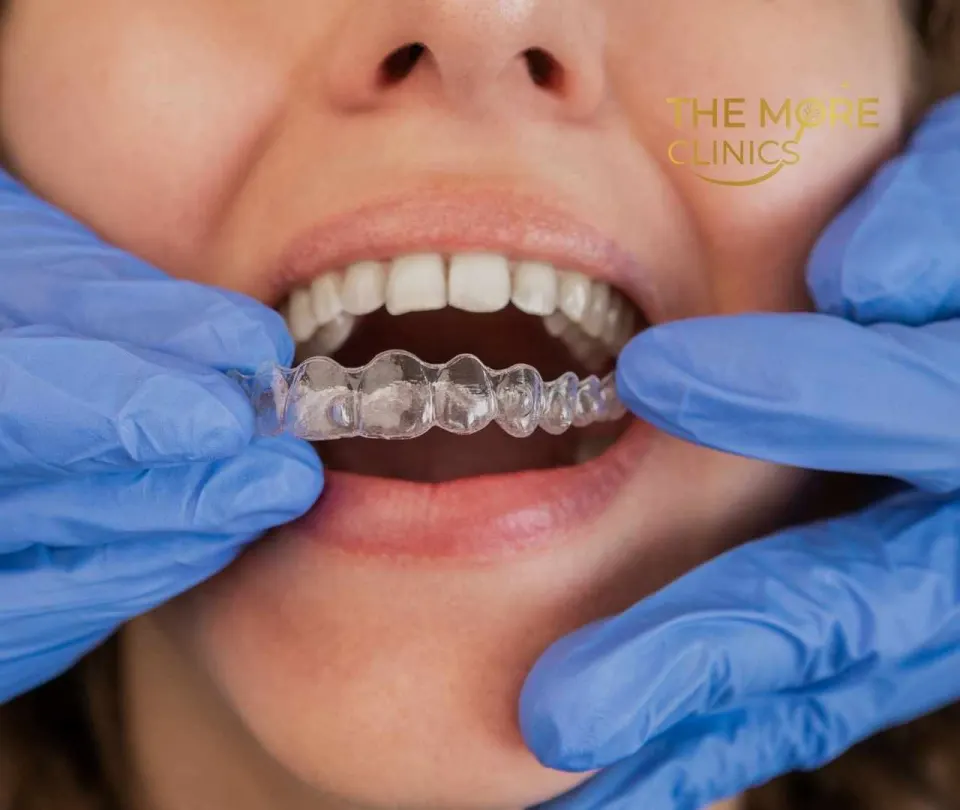
Dental implants & crowns
Smoking is one of the most significant risk factors for dental implant failure. The numbers are consistent across studies: smokers face implant failure rates roughly 2–3 times higher than non-smokers, with a clear dose-response relationship — the more you smoke (measured in pack-years), the higher the risk. One long-term analysis found the hazard of implant loss in the upper jaw was over five times higher in smokers, who also lost significantly more bone around their implants.
Why implants are so affected:
- Osseointegration depends on blood supply — the implant fuses to bone over 3–6 months, a process that needs good circulation and new blood vessel formation (angiogenesis) that nicotine suppresses.
- Peri-implantitis — smokers are far more prone to this destructive infection around the implant, which causes bone loss and can lead to implant removal.
- Bone and gum grafts are even more vulnerable — if your treatment involves a bone graft or gum graft, smoking dramatically raises the risk of graft necrosis, because the graft survives by connecting to blood vessels in the first 24–72 hours.
Timing: stop at least 2 weeks before (many specialists advise 6–8), observe absolute zero-tolerance for the first 72 hours, and ideally stay smoke-free for the 3–6 month integration period. Crowns on natural teeth are lower-risk, but any procedure involving gum surgery or grafting follows the same rules. Smoking doesn't automatically disqualify you from implants — many smokers get them successfully — but your dentist must know, so the plan accounts for it.
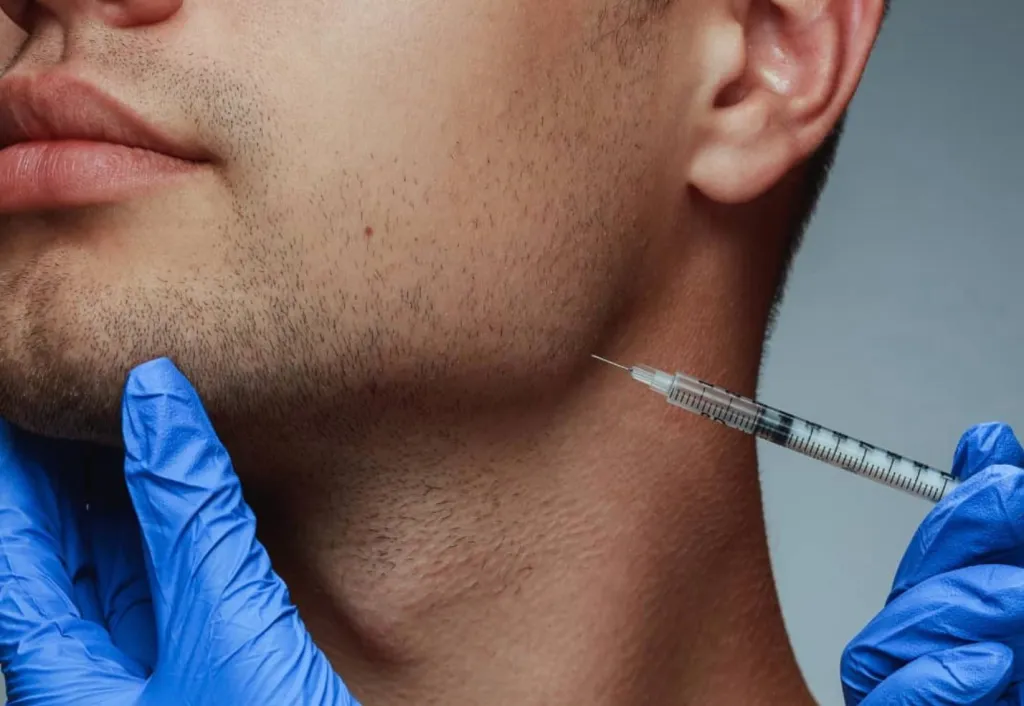
Plastic surgery
This is where smoking is most dangerous, because cosmetic surgery frequently involves lifting and repositioning skin (a "flap"), which depends entirely on a fragile blood supply that nicotine chokes off. The consequence is skin necrosis — where skin literally dies from lack of blood. The figures are stark:
- Facelift: smokers face up to a 13–15× higher risk of facial skin necrosis — in severe cases, loss of cheek skin requiring further surgery.
- Tummy tuck (abdominoplasty): complications occur in roughly one in four smokers; large areas of abdominal skin can die in extreme cases.
- Breast surgery: areola/nipple necrosis risk rises to ~6% (versus under 1% in non-smokers).
- Rhinoplasty: complications roughly double.
- Across the board: tripled wound-complication risk, wound separation (dehiscence), worse scarring, and serious systemic risks (clots, chest complications) under anaesthesia.
Many plastic surgeons will simply refuse to operate on active smokers because the risks are too high. The standard recommendation is to quit all nicotine 3–6 weeks before and 3–6 weeks after surgery (permanently is best). And it truly is all-or-nothing here — even a single cigarette constricts your blood vessels, and a case report describes a patient whose facelift healed well until she resumed smoking and developed dramatic skin loss.
Hair transplant
A hair transplant is minimally invasive, but it creates hundreds of tiny wounds, and every transplanted graft must connect to the scalp's blood supply to survive — so nicotine directly threatens your result. Smokers experience roughly 20–30% lower graft survival, plus more shock loss, lower final density, healing extended by 2–3 weeks, and 2–3× higher infection risk.
There's a neat irony worth knowing: nicotine is a vasoconstrictor (narrows vessels), the exact opposite of minoxidil, a vasodilator used to treat hair loss — so smoking works directly against the very blood flow your new grafts need.
Both FUE and DHI are affected equally, since the issue is vascular supply, not technique. Timing: stop at least 7 days before (2–4 weeks ideal), and stay off for at least 2 weeks after (1 month or more is far better), with the first 72 hours being absolutely critical while grafts are most fragile. Smoking before surgery also increases bleeding during the procedure and causes thicker crusting afterwards, which can itself hinder new hair emerging.
Eye surgery
Smoking affects eye surgery in two ways. First, it's an independent risk factor for eye disease — smokers have a substantially higher risk of cataracts and macular degeneration. Second, around procedures like cataract surgery, LASIK or lens replacement, smoking can slow healing and worsen dry eye, which is already a common side effect of laser eye surgery — so smoking can prolong and intensify that recovery.
While eye procedures don't rely on skin flaps the way plastic surgery does, the same principles of reduced oxygen and slower healing apply, and your surgeon will advise a cessation window based on your specific procedure.
Vaping, hookah & nicotine replacement — no safe shortcut
This is the single most common misunderstanding, so it's worth stating plainly: the problem is nicotine, not just smoke. That means the following are not safe alternatives around surgery:
- Vaping / e-cigarettes — research shows similar adverse effects to cigarettes; most vape products contain nicotine, which constricts blood vessels exactly the same way.
- Hookah / shisha — delivers nicotine plus carbon monoxide.
- Nicotine patches, gum and pouches — still deliver the vasoconstrictive agent; surgeons often advise stopping these too around surgery.
- Secondhand smoke — passive exposure introduces nicotine as well, so ask household members to smoke outside during your recovery.
If you're using nicotine replacement to help you quit, discuss timing with your surgeon — the goal around surgery is to be nicotine-free, not to switch delivery methods. Genuinely nicotine-free options are the only ones that avoid the vascular effect.
- Quit as early as you can — the longer before surgery, the more your circulation recovers. Even quitting now helps if surgery is soon.
- Respect the after-window too — the first 72 hours and the full healing phase matter as much as before.
- Stop all nicotine — cigarettes, vapes, hookah, patches, gum, and avoid secondhand smoke.
- Tell your surgeon the truth — never understate your smoking; the plan (and your safety) depends on it.
- If you truly can't quit, reduce — cutting down still helps versus heavy use, though quitting is far better. Some surgeons won't proceed without a cessation plan.
- Use support — nicotine replacement (timed away from surgery), medications, or cessation programmes make quitting easier.
- Mind other factors — smoking plus diabetes is especially high-risk; see our guide to diabetes and surgery.
The encouraging truth: your body starts recovering within days of your last cigarette, and by 12 months smoke-free, former smokers approach non-smoker risk levels. Quitting around your procedure isn't just about the surgery — it's one of the best things you can do for your health, full stop.
Planning treatment and have questions about smoking? Ask us honestly
Free Consultation → WhatsApp Us →Smoking & Surgery — Every Common Question Answered
How long before surgery should I stop smoking?
It depends on the procedure: 2–8 weeks for dental implants, 3–6 weeks for plastic surgery, 1–4 weeks (minimum 7 days) for hair transplants, and as advised for eye surgery. In every case, longer is better, and quitting even close to surgery still helps.
How long after surgery do I have to wait to smoke?
Stay off through the critical healing phase: 3–6 months ideally for dental implants (osseointegration), 3–6 weeks for plastic surgery, and at least 2 weeks (ideally a month+) for hair transplants. The first 72 hours are the most critical for every procedure — zero tolerance.
Can I smoke after a dental implant?
Not during early healing. Smoking raises implant failure 2–3×, and the first 72 hours are critical for the blood clot and healing. Ideally stay smoke-free for the 3–6 month integration period. Even one cigarette constricts the blood vessels the implant needs.
What happens if I smoke after a hair transplant?
Nicotine constricts the scalp's blood vessels and starves the new grafts of oxygen, lowering graft survival by 20–30%, causing poorer density, slower healing and higher infection risk. Avoid smoking at least 2 weeks after (ideally a month+), especially the first 72 hours.
Can I smoke after plastic surgery like a facelift or tummy tuck?
This is the highest-risk combination. Smoking can raise facelift skin necrosis risk 13–15× and causes complications in about 1 in 4 tummy tuck smokers. Surgeons typically require no nicotine for 3–6 weeks before and after — many won't operate on active smokers at all.
Does vaping count? Is it safer than smoking for surgery?
No — vaping is not a safe alternative. The harm comes from nicotine, which constricts blood vessels regardless of delivery. Studies show vaping has similar adverse effects on surgical healing. The same applies to hookah, nicotine gum, patches and pouches.
Do nicotine patches or gum affect surgery?
Yes. They still deliver nicotine, which impairs blood flow and healing. Surgeons often advise stopping these around surgery too. If you're using them to quit, discuss timing so you're nicotine-free during the critical window.
Will one cigarette really make a difference?
It can. A single cigarette constricts your blood vessels and lowers tissue oxygen for 30–50 minutes. During the vulnerable early healing window — especially the first 72 hours — even occasional smoking can compromise grafts and flaps.
Does smoking affect the anaesthesia?
Yes — smoking can increase airway and breathing complications under anaesthesia and raises the risk of clots and chest problems. This is part of why cessation before surgery matters for safety, not just cosmetic outcome.
Can I still have surgery if I smoke?
Often yes, but with higher risk and required precautions — and some surgeons decline active smokers for high-risk procedures like facelifts. Smoking doesn't automatically disqualify you from implants or hair transplants, but you must disclose it so the plan accounts for it.
Does secondhand smoke affect healing?
Yes — passive exposure introduces nicotine into your system too. During recovery, ask household members to smoke outside and avoid smoky environments.
Is smoking worse if I also have diabetes?
Much worse — smoking and diabetes both independently reduce blood flow and slow healing, so together they multiply the risk of complications and failure. If you have both, optimising them before surgery is especially important. See our diabetes and surgery guide.
How soon does quitting actually help?
Quickly — blood flow and oxygenation begin improving within days of your last cigarette, and inflammation falls. By 12 months smoke-free, former smokers approach non-smoker risk levels. It's never too late to benefit.
The Last Word from The More Clinics
Smoking is one of the few surgical risk factors entirely within your control — and quitting around your procedure is one of the highest-impact things you can do for your result and your safety. Whether it's dental implants, plastic surgery, a hair transplant or eye surgery, the mechanism is the same: nicotine starves healing tissue of blood and oxygen.
The fix is the same too: stop all nicotine (including vaping) for the recommended window before and after, respect the critical first 72 hours, and be honest with your surgeon so your plan is built around reality.
If you smoke and you're considering treatment, we'll give you a straight, honest assessment of the risks and a realistic cessation plan — never judgement, and never pressure. A WhatsApp consultation is free and without obligation.
Get a Free Consultation → WhatsApp Us →
Related: Dental implants · Bone grafting · Plastic surgery · Hair transplant · Eye clinic · Diabetes & surgery
Written by The More Editorial Team and Medically Reviewed by Dr. Onur Ademhan, specialist in Oral and Maxillofacial Surgery and Implantology. See Editorial Process. Last Updated: [25 August 2026]
Medical disclaimer: This guide is for general informational purposes only and does not replace personal medical advice. Smoking cessation timing and surgical suitability depend on individual assessment by your surgeon. Do not stop or change prescribed medications, including nicotine replacement therapy, without professional guidance. If you smoke and are planning surgery, discuss a cessation plan with your surgeon.
This article provides general information and does not replace an individual medical assessment, diagnosis or treatment advice. Discuss decisions about your health and treatment with your treating clinician.