Teeth Crowns vs Veneers: Key Differences, Costs; How to Choose
Talk to our team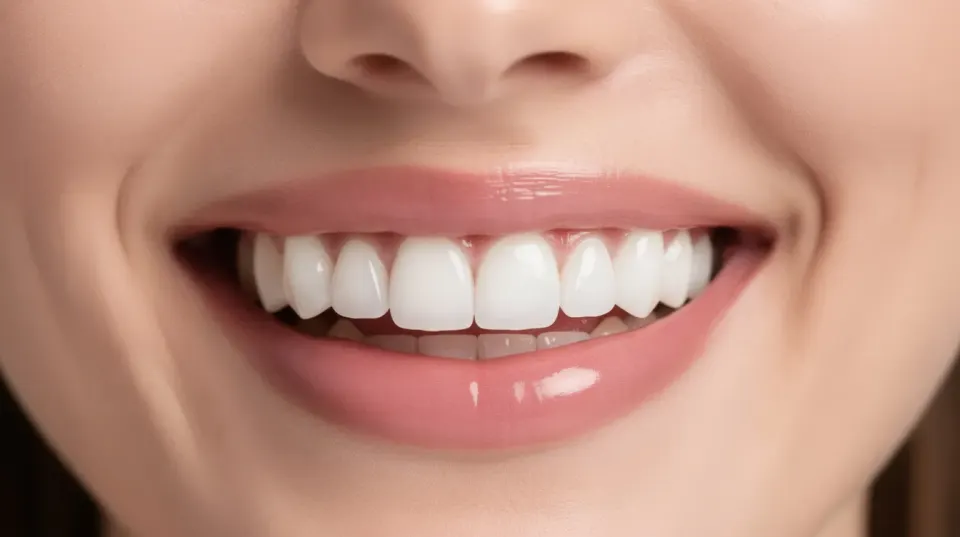
In this article 26 sections
Both veneers and crowns can transform your smile, but they serve different purposes. This teeth crowns vs veneers guide breaks down exactly when each option makes sense, what they cost at home and abroad, and how to choose safely.
Key Takeaways: Crowns vs. Veneers
- A dental crown fully covers the entire tooth and is best for weak or damaged teeth, while dental veneers bond a thin shell to only the front surface for cosmetic improvement on otherwise healthy teeth.
- Crowns require around 2mm of tooth reduction on all sides; veneers need just 0.3–1mm removed from the front, preserving far more natural tooth structure.
- Porcelain veneers typically last around 10 years on average, with modern porcelain veneers showing a survival rate of over 90% after 10 years. Crowns can last up to 15 years with proper care, and zirconia crowns are strong and durable, lasting longer than porcelain.
- Veneers cost between $925 to $2,500 per tooth; crowns range from $1,000 to $3,500 per tooth in the US. In Turkey, Hungary, and Poland, prices are often 50–70% lower for equivalent materials.
- The More Clinics connects international patients with 4,800+ verified dentists, offering free cost calculators, AI doctor matching, and complication protection to make treatment abroad safer and more transparent.
What Are Dental Veneers?
Dental veneers are ultra-thin shells bonded to the front surface of the teeth to change colour, shape, and alignment. They are a cornerstone of cosmetic dentistry, used to create a natural appearance or a bright "Hollywood smile." Veneers are typically made from porcelain or composite resin, and they are typically 1-2mm thick.
Porcelain veneers offer superior stain resistance, translucency, and a 10–15 year lifespan. Composite veneers are cheaper and can sometimes be done in a single visit, but last roughly 5–7 years. Both veneers types involve irreversible enamel removal, though minimal-prep and no-prep options exist for suitable candidates.
Veneers are suitable for correcting minor cosmetic issues like chips and discoloration, uneven teeth, small gaps, and slight misalignment. However, veneers cannot be used on teeth with significant decay or limited enamel. Teeth with a large filling, major cracks, or that are severely decayed typically need a dental crown instead.
How Are Dental Veneers Fitted?
The process to apply veneers usually takes two to three visits:
- Consultation and smile design - your dentist examines your natural teeth, takes photos, and may use digital smile design software or wax-ups to preview results.
- Tooth preparation - a very thin layer of enamel (0.3–1mm) is removed from only the front surface and sometimes the biting edge. A temporary veneer protects the tooth while the lab fabricates the permanent veneer.
- Bonding appointment - the porcelain or composite resin shell is bonded permanently to the tooth surface using dental adhesive. Shade selection ensures the veneer matches or brightens the surrounding teeth.
Veneers require minimal removal of enamel compared to crowns, keeping most of the original tooth intact. Composite veneers may be completed in a single visit. After bonding veneers to the tooth, the process is irreversible - the original tooth cannot be returned to its pre-treatment state.
What Is a Dental Crown?
A dental crown is a cap that covers the entire tooth structure (actually 360 shaped) above the gum margin, restoring strength, shape, and appearance. Dental crowns are usually 2mm thick to provide full structural support. Crowns provide structural support for damaged teeth, making them both a restorative and cosmetic procedure.
Crowns are preferred for severely damaged or decayed teeth - after root canals, fractures, heavy wear from grinding, or when a significant portion of the existing tooth has been lost. Common crown material options include:
- All-ceramic or porcelain crowns - ideal for front teeth aesthetics
- Zirconia - extremely strong, suitable for both front and back teeth
- Porcelain fused to metal - combines aesthetics with a metal alloy substructure
- Metal crowns (gold or other alloys) - most durable for back teeth under heavy load
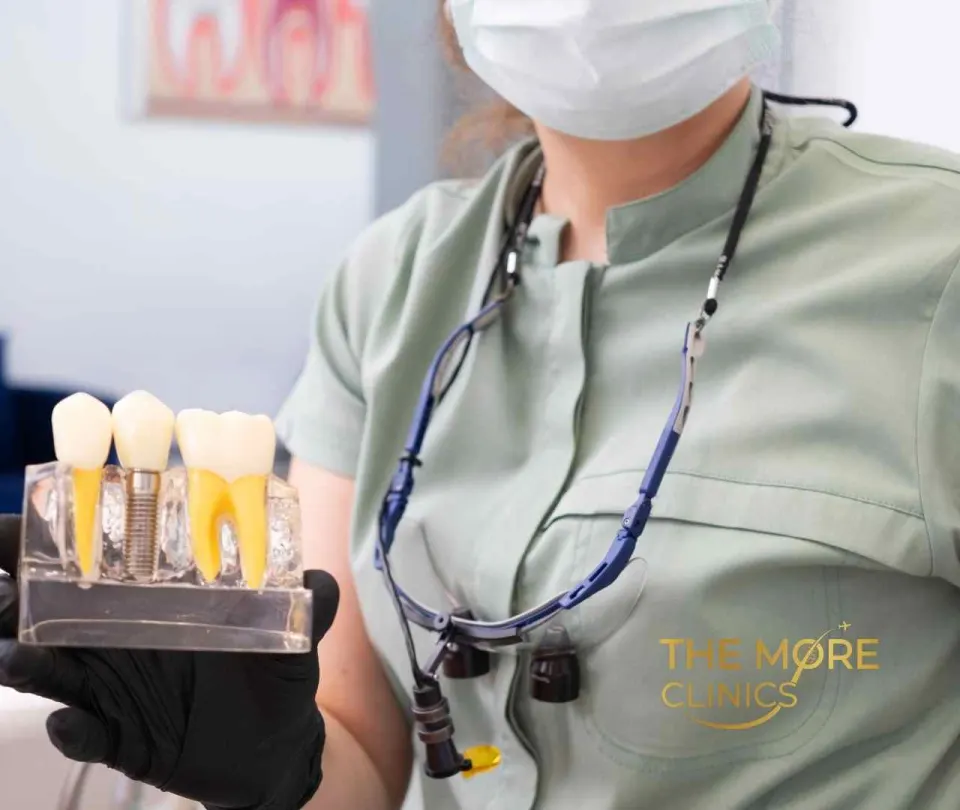
Dental crowns can be made from porcelain, gold, or stainless steel. Unlike veneers, a dental crown can also be placed on a dental implant to replace missing teeth.
How Are Dental Crowns Fitted?
The staged process for permanent dental crowns looks like this:
- Exam and planning - X-rays, decay removal, and assessment of the whole tooth.
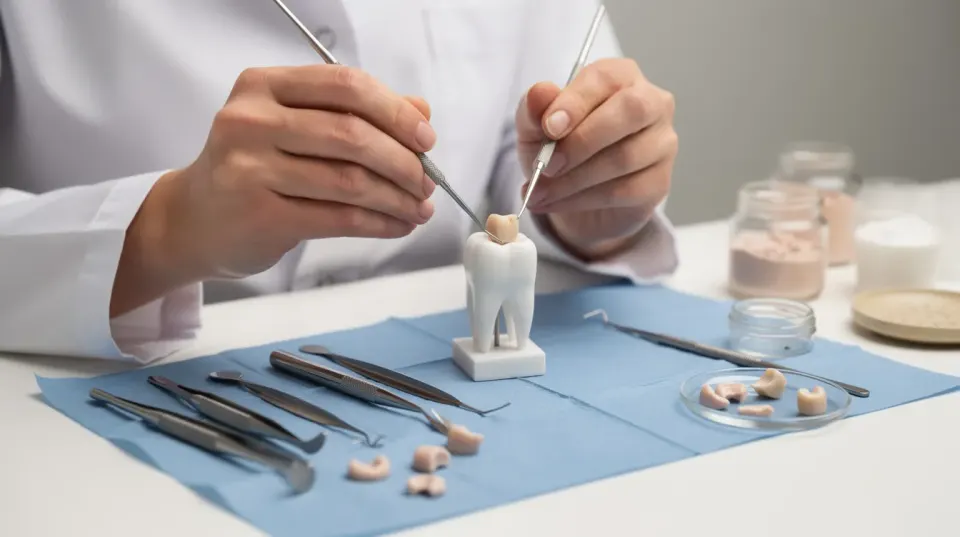
- Tooth reduction - around 1.5–2mm is removed from all sides of the tooth to create space for the crown material. If the tooth has lost too much structure, a core build-up or post may be needed.
- Impressions - digital scans or traditional moulds are sent to the lab. A temporary crown protects the tooth during fabrication (typically 1–2 weeks).
- Cementation - the permanent crown is checked for fit, bite, and colour, then cemented in place.
In-clinic CAD/CAM systems can sometimes deliver same-day crowns, though complex cases still benefit from lab fabrication for precision.
Teeth Crowns vs Veneers: Key Differences
When weighing veneers vs crowns, the key differences come down to coverage, invasiveness, and purpose.
| Feature | Dental Veneers | Dental Crowns |
|---|---|---|
| Coverage | Only the front surface | Entire tooth above gumline |
| Thickness | 1–2mm | About 2mm |
| Tooth reduction | 0.3–1mm (front only) | 1.5–2mm (all sides) |
| Primary purpose | Cosmetic improvement | Dental restoration procedures |
| Best for | Healthy teeth with cosmetic flaws | Weak or damaged teeth |
| Typical lifespan | ~10 years | Up to 15 years |
Veneers are primarily for cosmetic improvements - colour, shape, and minor alignment on front teeth. Unlike veneers, crowns encase the entire tooth and serve as dental restoration methods for compromised teeth. Veneers require less tooth reduction than crowns, preserving more tooth structure, but offer less structural protection. Crowns cover the entire tooth structure, sacrificing more natural tooth but fully protecting weakened teeth from fracture.
Veneers and Crowns: Pros and Cons
Veneer Pros:
- Less invasive tooth reduction
- Excellent natural finish on front teeth
- Great for stains, chipped teeth, and minor gaps
- Quick aesthetic improvement
Veneer Cons:
- Not suitable for teeth with large fillings, cracked teeth, or severe decay
- Can chip with heavy grinding
- Often not covered by dental insurance (considered a cosmetic procedure)
- Do not protect back or biting surfaces from tooth decay
Crown Pros:
- Full coverage and strength for worn teeth, root-treated, or heavily restored teeth
- Suitable for both front teeth and back teeth
- Often partially covered by dental insurance when medically necessary
- Porcelain crowns are durable and ideal for heavy grinding
Crown Cons:
- More aggressive tooth reduction
- Risk of sensitivity or future root canals if pulp is irritated
- Higher per-tooth cost when multiple teeth are involved
Which Is Better for Front Teeth?
Front teeth demand a natural appearance but may also need structural reinforcement. The tooth's condition determines the right choice.
Porcelain veneers are ideal when existing teeth are healthy, issues are purely cosmetic, and there is enough enamel for reliable bonding. Unlike crowns, veneers preserve the original tooth intact as much as possible for a cosmetic procedure. Crowns are preferable when front teeth have major cracks, a large filling, prior root canal treatment, or are significantly shortened from grinding.
Sometimes the most natural result comes from combining crowns and veneers - for example, crowns on heavily damaged central incisors and veneers on neighbouring healthy teeth to harmonise the smile line.
Tooth Reduction, Bite and Long-Term Stability
Veneers require minimal tooth reduction compared to crowns, which generally means more resilience - but only if the tooth is already strong. Over-preparing a weakened tooth for a veneer can lead to fracture; in that case, a crown is the safer dental work.
Bite alignment matters enormously. Patients who clench or grind should discuss night guards with their dentist to protect both veneers and crowns from chipping. An experienced cosmetic dentist should evaluate enamel thickness, bite forces, and aesthetic goals before recommending either option. Good oral hygiene and regular check-ups extend the life of any restoration.
Longevity, Aftercare and Maintenance
Lifespan of Veneers and Crowns
Both crowns and veneers can last a decade or more, but lifespan depends on material, oral hygiene, bite forces, and habits.
- Porcelain veneers: ~10–15 years (veneers typically last around 10 years on average)
- Composite veneers: ~5–7 years
- Porcelain and zirconia crowns: 10–20 years (crowns can last up to 15 years with proper care)
- Metal or porcelain fused crowns: potentially longer with good maintenance
Essential Aftercare Tips
Aftercare essentials: brush twice daily with fluoride toothpaste, use interdental brushes or water floss, attend regular check-ups, and avoid biting hard objects. Smoking, nail-biting, and heavy staining foods shorten lifespan. Both veneers and crowns can be repaired or replaced, but replacement always means another procedure and possible further tooth reduction.
Will Dental Insurance Pay for Crowns or Veneers?
Most dental plans and dental insurance policies cover crowns when they are medically necessary - for example, after severe tooth decay, root canals, or fracture. Coverage typically involves coinsurance of 40–60% after a deductible, subject to annual maximums.
Veneers are almost always classified as cosmetic, so porcelain veneers intended for a smile makeover are out-of-pocket expenses. Composite veneers may occasionally get partial coverage if they serve a restorative purpose, but this is rare.
Patients planning dental work abroad should confirm whether their home insurance accepts documentation from foreign clinics. Separate travel and complication protection is worth considering - which is where platforms like The More Clinics add real value.
Costs: Veneers vs Crowns at Home and Abroad
Dental costs vary based on location and material used. Here are realistic per-tooth ranges:
| Treatment | US | UK | Turkey/Hungary/Poland |
|---|---|---|---|
| Porcelain veneers | $925–$2,500 | £800–£1,500 | €200–€400 |
| Composite veneers | $400–$1,500 | £300–£700 | €120–€200 |
| Porcelain/zirconia crowns | $1,000–$3,500 | £400–£1,000+ | €160–€350 |
Porcelain veneers are generally more expensive than crowns in many markets. Crowns can cost between £400 to over £1,000 each in the UK. For a full smile makeover (16–20 teeth), the savings abroad can reach 50–70% compared to UK or US pricing - even after factoring in flights and accommodation.
Additional costs to budget for include X-rays, 3D scans, root canal treatment before some crowns, a temporary crown, sedation if used, and follow-up visits.
Crowns vs Veneers with Dental Tourism Options
Dental tourism offers significant cost savings for patients seeking crowns or veneers without compromising quality. Countries like Turkey, Hungary, Poland, and Mexico have become popular destinations due to their combination of affordable pricing, highly skilled dentists, and modern clinics.
Why Choose Dental Tourism for Crowns and Veneers?
- Cost Efficiency: Crowns and veneers abroad can cost 50–70% less than in the US or UK, even after travel and accommodation expenses.
- Quality Care: Many clinics catering to international patients use high-quality materials such as porcelain and zirconia, with strict infection control standards.
- Comprehensive Services: Dental tourism packages often include treatment planning, airport transfers, and accommodation assistance.
Crowns and Veneers Abroad: What to Expect
- Treatment Planning: Patients can consult remotely via platforms like The More Clinics to receive tailored treatment plans and cost estimates.
- Multiple Visits: Veneers typically require two visits spaced a week or two apart; crowns may need additional appointments if root canals or build-ups are necessary.
- Patient Advocacy: Services like The More Clinics provide patient advocates to guide international patients through the entire process, ensuring transparency and safety.
Popular Destinations
- Turkey: Istanbul and Antalya offer advanced dental clinics with competitive prices and English-speaking staff.
- Hungary: Budapest is a popular dental tourism destination, with many clinics offering digital smile design.
- Poland: Warsaw and Krakow provide high-quality dental care with modern technology.
- Mexico: Cities like Cancun and Mexico City combine dental treatment with vacation opportunities.
Choosing dental tourism for crowns and veneers can make high-quality cosmetic and restorative dentistry accessible and affordable. The More Clinics supports patients by connecting them with verified clinics worldwide, offering AI doctor matching, cost calculators, and complication protection to ensure a safe and satisfying experience.
How The More Clinics Helps You Save Safely
The More Clinics is a global healthcare marketplace and patient advocacy platform - not a single clinic. It connects patients with 4,800+ verified doctors and dentists across Turkey, Hungary, Poland, Portugal, Mexico, and other destinations.
Personalized Cost Comparison
International patients can:
- Compare personalised costs for veneers and crowns across 10+ countries using free cost calculators
AI Doctor Matching
- Access AI doctor matching to find the right dentist for their case
Membership Benefits
- Join The More Health Club: by planning your treatment with verified doctors you can get premium membership for 1 year for free.
Complication Protection
- Get complication protection - Premium and Elite members receive up to 12 months of post-treatment coverage for eligible bookings
Patients can upload existing treatment plans or quotes from local dentists. The More Clinics' patient advocates review them, explain differences, and advise whether crowns, veneers, or a combination is safest and most cost-effective. Contact us now by Whatsapp.

How to Decide: Crowns vs. Veneers, or a Combination?
There is no one-size-fits-all answer. The best choice depends on the tooth's condition, your aesthetic goals, budget, and long-term outlook.
- Lean towards veneers when:
- Teeth are intact
- Main issues are colour or shape
- Bite is stable
- You want minimal tooth reduction
- Lean towards crowns when:
- There are large fillings
- Cracks
- Root canal history
- Significant structure loss
- A history of grinding
- Consider a combination when:
- Some teeth are compromised while neighbours are healthy
- Crowns protect the weakened teeth and veneers on adjacent teeth harmonise the overall look
Before committing, seek a comprehensive clinical assessment with photos, X-rays, and ideally a digital smile design preview. This applies whether you are treating at home or abroad.
Planning Treatment Abroad with The More Clinics
The journey for an international patient typically follows these steps:
- Online enquiry - submit photos and dental history
- AI-supported doctor matching - receive recommendations for verified clinics
- Remote case review - a dentist reviews X-rays and proposes a detailed treatment plan, specifying how many crowns and veneers, materials, timeline, and costs
- Travel coordination - guidance on flights, hotel zones near partner clinics in Istanbul, Antalya, Budapest, or Warsaw, and how many days to stay
- On-the-ground support - patient advocates available via WhatsApp before, during, and after treatment
All partner clinics are vetted for qualifications, infection control, ceramic material standards, and verified patient reviews. Join the free Basic membership to access the marketplace, or consider Premium or Elite tiers for personal advocacy, priority support, and extended complication coverage.
FAQ: Dental Veneers vs. Crowns
These questions cover practical concerns not fully addressed above - especially for patients considering dental procedures abroad.
Are veneers or crowns painful to get?
Both procedures are done under local anaesthetic, so you mainly feel pressure rather than pain during tooth reduction. Mild sensitivity to hot and cold is common for a few days afterward, usually managed with over-the-counter painkillers. Patients with dental anxiety should ask about sedation options. The More Clinics can match nervous patients with clinics experienced in treating dental phobia. Some patients also report mild gum pain around the gum margin for a day or two, which typically resolves quickly.
Can I switch from veneers to crowns later if needed?
A permanent veneer is not reversible to the natural tooth, but teeth with veneers can usually be converted to crowns if they later become cracked, decayed, or heavily worn. This involves additional tooth reduction and a new restoration - so getting a conservative, well-planned veneer design from the start is important. Discuss "what if" scenarios with your dentist, especially before extensive dental work abroad.
Can crowns and veneers replace missing teeth?
Neither crowns nor veneers alone replace missing teeth. They must be bonded or cemented to an existing tooth or dental implant. To restore missing teeth, dentists use dental implants topped with a crown, bridges anchored by crowns on neighbouring teeth, or removable options using acrylic based materials. Veneers are purely for changing the appearance of teeth that are still present. Related Post: Can you get veneers with missing teeth?
How long do I need to stay abroad for crowns vs. veneers?
Many veneer cases can be completed in 5–7 days (two main appointments with lab time in between). Complex crown cases, those requiring root canals, or full-mouth restorations may need 7–10 days or a second visit. Build in a buffer day or two for minor adjustments. The More Clinics helps plan realistic timelines with partner clinics so international patients are not rushed into critical decisions.
What happens if something goes wrong after I get veneers or crowns abroad?
Possible issues include post-treatment sensitivity, bite adjustments, chips, debonding, or unexpected pain. Contact the treating clinic immediately and send photos or X-rays from a local dentist. The More Clinics' complication protection (for eligible bookings and membership tiers) coordinates revisions with the original clinic, supports communication, and helps reduce unexpected costs. Choosing a vetted clinic and planning proper follow-up are the most effective steps to minimise risk.
This article provides general information and does not replace an individual medical assessment, diagnosis or treatment advice. Discuss decisions about your health and treatment with your treating clinician.