Metal-Free Filling Alternatives 2026: Composite, Ceramic & Cost Guide & Turkey
Talk to our team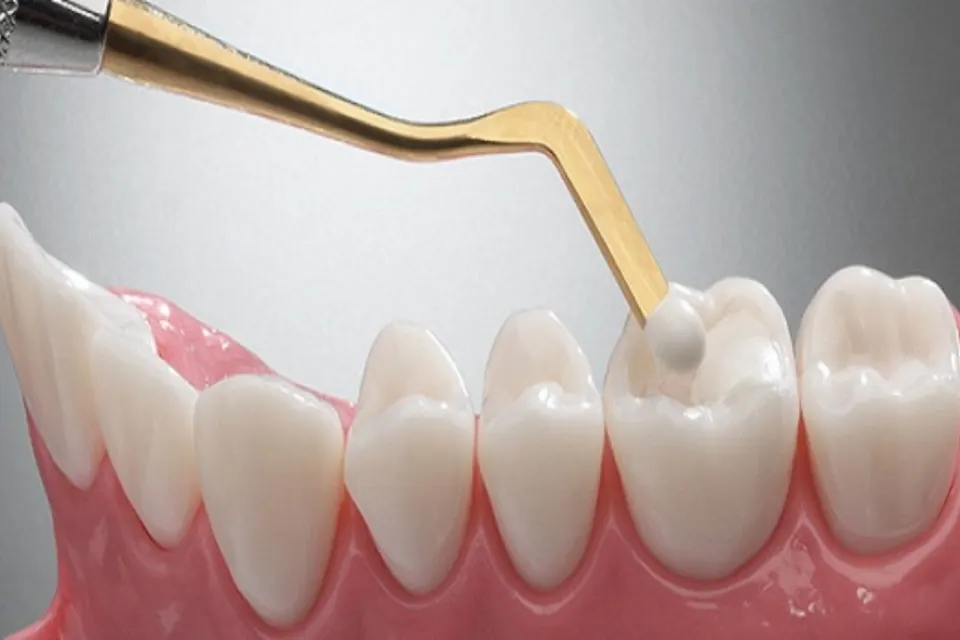
In this article 10 sections
If you want to say goodbye to metal (amalgam) fillings — whether for aesthetics, biocompatibility, or peace of mind — modern dentistry offers several excellent tooth-coloured, metal-free alternatives. This guide compares every option (composite, ceramic inlays/onlays, glass ionomer and gold), with honest costs, durability, biocompatibility, and how safe mercury removal works — so you can choose the right filling for a healthier, more beautiful smile.
| Best all-round metal-free option | → Composite (tooth-coloured, bonds to tooth) |
| Most durable metal-free | → Ceramic inlay/onlay (15–20+ years) |
| For children / small cavities | → Glass ionomer (releases fluoride) |
| Removing old amalgam? | → Ask for the SMART protocol |
Why choose a metal-free filling?
Traditional amalgam ("silver") fillings contain roughly 50% mercury and have a dark, metallic look. Patients move to metal-free alternatives for several reasons:
- Aesthetics: tooth-coloured fillings are virtually invisible and blend with your natural smile.
- Bonding & conservation: composite bonds to the tooth, so less healthy structure needs to be drilled away.
- Biocompatibility & peace of mind: for those who prefer to avoid mercury and metal — a core principle of holistic dentistry.
- Updated guidance: in 2024 the FDA advised against amalgam for children under six, pregnant women, and certain patients — accelerating the move to metal-free options.
The metal-free alternatives compared
Composite resin (tooth-coloured)
The most popular alternative: a tooth-coloured resin that bonds directly to the tooth in a single visit. Virtually invisible, mercury-free, and conservative (less drilling). Best for most small-to-medium cavities in front and back teeth. Trade-off: lasts 5–10 years, slightly less than amalgam.
Ceramic / porcelain inlay & onlay
Custom-made in a lab (or same-day with CEREC technology), ceramic restorations are the premium metal-free choice — extremely durable (15–20+ years), stain-resistant, and beautifully natural. They're the step between a large filling and a full crown, and are highly biocompatible and inert. Trade-off: higher cost and usually two visits.
Glass ionomer
Made from acrylic and glass, glass ionomer releases fluoride to help protect against further decay and bonds without heavy drilling. Highly biocompatible — ideal for children, root surfaces and small cavities. Trade-off: softer and shortest lifespan (5–7 years), best for low-stress areas or as a temporary solution.
Gold inlay/onlay
Technically metal, but worth noting: gold is exceptionally durable (20+ years) and well-tolerated by gum tissue, rarely causing reactions. Trade-off: it's the most expensive option and highly visible, so it's chosen for back molars where durability matters most.
Cost & durability at a glance
| Material | Metal-free? | Lifespan | Best for |
|---|---|---|---|
| Composite | ✓ Yes | 5–10 yrs | Most cavities, visible teeth |
| Ceramic inlay/onlay | ✓ Yes | 15–20+ yrs | Large restorations, durability |
| Glass ionomer | ✓ Yes | 5–7 yrs | Children, small/root cavities |
| Gold inlay | ✗ Metal | 20+ yrs | Back molars, max durability |
| Amalgam (for reference) | ✗ Metal | 10–15 yrs | Durable, lowest cost |
Composite fillings typically cost 30–50% more than amalgam because they take more time and technique; ceramic inlays/onlays cost several times more as they're lab-made. In Turkey, all these metal-free options cost a fraction of UK, US or European prices — see our Antalya dental clinic.
Replacing old amalgam? Ask for safe removal (SMART)
If you're replacing failing amalgam fillings — or choosing to for personal reasons — the removal itself matters. The SMART protocol (Safe Mercury Amalgam Removal Technique), established by the IAOMT, uses safeguards like rubber dam isolation, high-volume suction, copious water, sectioning the filling into chunks (not grinding), and clean-air sources to minimise mercury vapour exposure.
Note the distinction: "mercury-free" means no new amalgam is placed; "mercury-safe" means the removal follows SMART. Learn more in our holistic dentistry guide, and for metal-free tooth replacement see zirconia implants.
Metal-Free Fillings — Frequently Asked Questions
What is the best alternative to metal fillings?
For most cavities, tooth-coloured composite is the best all-round metal-free option — invisible, mercury-free and bonds to the tooth. For large restorations that need maximum durability, a ceramic inlay/onlay (15–20+ years) is the premium choice.
Are composite fillings as good as amalgam?
For aesthetics and conservation, yes — composite is invisible and bonds to the tooth with less drilling. Amalgam lasts slightly longer (10–15 vs 5–10 years), but modern composites are excellent for most cavities and are the standard choice today.
What is the safest filling material?
Composite (BPA-minimised), ceramic and glass ionomer are all metal-free and highly biocompatible. Ceramic and glass ionomer are inert and don't react with oral tissues; composite is the versatile everyday choice. The right one depends on the cavity's size and location.
Should I replace my amalgam fillings?
Only if they're failing (cracks, decay underneath, fracture) or you choose to for personal reasons. Major dental bodies consider intact amalgam safe for most adults, so there's no need to rush — and if you do remove them, insist on the SMART protocol.
How much do metal-free fillings cost?
Composite costs 30–50% more than amalgam; ceramic inlays/onlays cost several times more as they're lab-made. In Turkey, all metal-free options cost a fraction of UK/US/EU prices while using the same quality materials.
Which filling is best for children?
Glass ionomer is often ideal for children — it's highly biocompatible and releases fluoride to protect against further decay. The 2024 FDA guidance also advises against amalgam for children under six.
The Last Word from The More Clinics
Saying goodbye to metal fillings is easier than ever: composite, ceramic and glass ionomer give you tooth-coloured, biocompatible restorations for a healthier, more beautiful smile. There's no need to fear or rush to remove healthy amalgam — but when you want a metal-free option, or safe removal of old fillings, the modern alternatives are excellent. Turkey lets you access them at a fraction of Western prices.
Our dental team in Antalya offers mercury-free fillings, biocompatible materials and SMART-protocol amalgam removal — with an honest, no-pressure assessment. A free WhatsApp consultation is the simplest first step, in complete confidence.
Get a Free Consultation → WhatsApp Us →
Related: Holistic dentistry · Zirconia implants · Dental crowns · Dental veneers · Smile makeover · Dental check-up
Medically Reviewed by Dr. Onur Ademhan, DDS. See Editorial Process. Last Updated: [19 August 2026]
Medical disclaimer: This guide is for informational purposes only and does not replace a personal dental consultation. Intact amalgam fillings are considered safe by major dental bodies; material choice depends on individual clinical assessment. Consult a qualified dentist before making any treatment decision.
This article provides general information and does not replace an individual medical assessment, diagnosis or treatment advice. Discuss decisions about your health and treatment with your treating clinician.