Diabetes & Surgery: Can Diabetics Have Implants, Plastic Surgery & Hair Transplants?
Talk to our team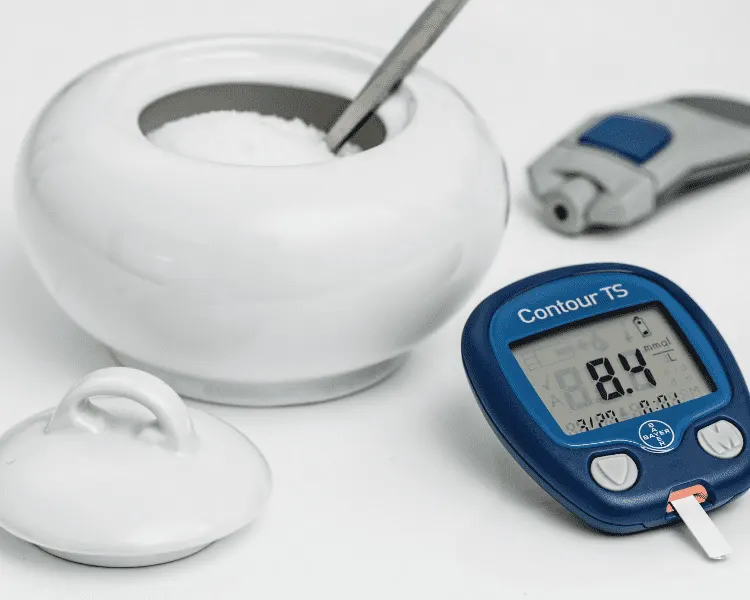
In this article 9 sections
"Can I have this procedure if I'm diabetic?" is one of the most common — and most important — questions patients ask before dental implants, plastic surgery or a hair transplant. The reassuring answer: yes, in most cases, diabetics can safely have these treatments and achieve results very close to non-diabetic patients.
But there's a crucial condition — blood sugar control — and understanding the thresholds, risks and preparation makes the difference between a smooth result and a complication. This evidence-based guide explains exactly how diabetes affects each type of surgery, the HbA1c levels that matter, and how to prepare safely.
Well-controlled diabetes (generally HbA1c below 7%) doesn't significantly compromise most elective surgery — dental implant success in controlled diabetics runs 87–96% at five years, close to non-diabetics. Poorly controlled diabetes (HbA1c above ~8–8.5%) raises the risk of slow healing, infection and failure, so elective procedures are usually deferred until control improves. Control matters more than the diagnosis.
Why diabetes affects surgery and healing
To make good decisions, it helps to understand the mechanism — because it's the same across every procedure. Chronically elevated blood glucose affects the body in ways that directly impact surgical healing:
- Impaired wound healing: high glucose interferes with the cellular processes that repair tissue, so wounds close more slowly.
- Small blood vessel damage: over time, diabetes damages the small vessels supplying the gums, skin and bone — reducing the blood flow that healing depends on.
- Weakened immune response: high glucose reduces how effectively white blood cells kill bacteria, raising infection risk at the surgical site.
- Disrupted bone healing: for implants specifically, diabetes can impair osseointegration — the process by which bone fuses to the implant.
- Chronic inflammation: diabetes increases baseline inflammation, which can complicate healing.
The critical insight: none of this is unique to one procedure — the same pattern appears after any surgery. And crucially, these effects are strongly tied to control. Well-managed diabetes has a modest effect; poorly controlled diabetes is where the real risk lies. Smoking on top of diabetes substantially worsens the picture, since both independently reduce blood flow and slow healing.
The HbA1c thresholds that matter
HbA1c is a blood test reflecting your average blood glucose over the previous 2–3 months — a far better guide to surgical readiness than a single glucose reading. It's the number your surgical and diabetes teams will focus on:
| HbA1c level | What it generally means for elective surgery |
|---|---|
| ≤ 7.0% (53 mmol/mol) | Widely referenced benchmark for "well-controlled" — generally suitable for elective procedures, with outcomes close to non-diabetics |
| 7.0–8.5% | Grey zone — may proceed depending on overall health, procedure and surgeon's assessment, often with extra precautions |
| ≥ 8.5% (69 mmol/mol) | Elective surgery is usually deferred; referral to a diabetes team to optimise control first is standard |
On the day of surgery, a point-of-care blood glucose of roughly 6–10 mmol/L is generally considered acceptable before proceeding. These are general benchmarks — your own surgeon and endocrinologist set your specific targets based on your health, the procedure, and how long you've had diabetes (longer duration can mean more vascular change, independent of current control).
Dental implants & diabetes
This is the most-studied combination, and the evidence is genuinely reassuring. In well-controlled diabetes (HbA1c below ~7–8%), dental implant survival runs about 96–97% at one year and 87–96% at five years — comparable to non-diabetic patients. Poorly controlled diabetes (HbA1c above 8%) is where problems appear: greater marginal bone loss, higher peri-implantitis risk, and more early failures, worsening progressively as HbA1c rises.
What this means in practice for diabetic implant patients:
- Optimise HbA1c first — ideally below 7%, stable for around 3 months before surgery.
- Treat any gum disease beforehand — active periodontal disease and diabetes together significantly raise failure risk.
- Expect longer healing — osseointegration (normally 3–6 months) may fall at the longer end.
- Prophylactic antibiotics and stricter hygiene are commonly used to reduce infection risk.
- Lifelong maintenance — dental hygiene reviews every 3–6 months, alongside ongoing HbA1c monitoring.
If bone loss is also a concern, see our guide to dental bone grafting — often planned together with implants.
Plastic surgery & diabetes
Elective plastic surgery — tummy tuck, arm lift, breast surgery, facelift, liposuction — is possible for well-controlled diabetics, but the same healing considerations apply, and skin/soft-tissue procedures are particularly sensitive to them. Diabetes can increase the risk of wound-healing problems, wound separation, infection and slower recovery, especially in larger procedures with long incisions (like a tummy tuck or body-contouring after weight loss).
Well-controlled patients with good glucose management can often proceed safely with careful planning; poorly controlled diabetes is typically a reason to delay until HbA1c improves. Because many body-contouring patients are post-weight-loss — and some have type 2 diabetes — this assessment is a routine part of a good surgical consultation, not a barrier in itself.
Hair transplant & diabetes
A hair transplant is a minimally invasive procedure under local anaesthesia, so it's generally considered lower-risk than major surgery for diabetic patients — but blood sugar control still matters for graft survival and scalp healing. Well-controlled diabetics are frequently good candidates; the concerns are slower healing of the donor and recipient sites and a modestly higher infection risk if glucose is poorly managed. As with every procedure here, an optimised, stable HbA1c and coordination with your diabetes care are what make it safe and effective.
Bariatric & eye surgery
Bariatric (weight-loss) surgery is a special case. While elective surgery usually calls for HbA1c below 8.5%, bariatric surgery is often sought specifically to treat type 2 diabetes — and it frequently induces significant improvement or even remission. So the calculus is different: the procedure targets the very condition that raises surgical risk. These cases are managed by a specialist multidisciplinary team who weigh the diabetes benefit against peri-operative risk, often optimising as much as possible beforehand. See gastric bypass.
Eye surgery: diabetes is closely linked to eye health (diabetic retinopathy), so a thorough eye assessment is especially important — both because diabetics may need eye care, and because existing retinopathy affects planning for procedures like cataract or lens surgery.
How to prepare safely — a checklist
- Optimise your HbA1c — aim for target (often below 7%) and stable for ~3 months before surgery.
- Coordinate with your diabetes doctor/endocrinologist — this is the single most important step.
- Disclose all medications — some (like SGLT2 inhibitors) need specific peri-operative management to avoid complications; insulin and other doses may need adjusting around surgery.
- Stop smoking — before and during recovery; combined with diabetes it substantially raises complication risk.
- Treat infections/gum disease first (for implants especially).
- Plan for closer monitoring — expect extra follow-up, tighter hygiene protocols, and possibly prophylactic antibiotics.
- Be honest about your control — never understate your HbA1c or hide complications; safe planning depends on accurate information.
Done well, this preparation is exactly what closes the gap between diabetic and non-diabetic outcomes. Diabetes is a reason for careful planning and coordination — not, in most well-controlled cases, a reason you can't have the treatment you want.
Diabetic and considering treatment? We'll assess your case honestly
Free Consultation → WhatsApp Us →Diabetes & Surgery — Frequently Asked Questions
Can I have dental implants if I'm diabetic?
Yes, if your diabetes is well-controlled. With HbA1c below about 7%, implant success rates (87–96% at five years) are close to non-diabetic patients. Poorly controlled diabetes raises the risk of failure, so most dentists want your HbA1c optimised first.
What HbA1c level do I need for surgery?
Generally, HbA1c at or below 7% is considered well-controlled and suitable for elective surgery; 7–8.5% is a grey zone assessed case by case; and 8.5% or above usually means deferring elective procedures until control improves. Your surgeon and diabetes team set your specific target.
Can diabetics have plastic surgery?
Well-controlled diabetics can often have elective plastic surgery safely, with careful planning. Because skin and soft-tissue procedures depend heavily on healing, good glucose control is especially important, and poorly controlled diabetes is usually a reason to delay.
Is a hair transplant safe for diabetics?
Generally yes — it's minimally invasive under local anaesthesia, making it lower-risk than major surgery. Blood sugar control still matters for scalp healing and graft survival, so well-controlled diabetics are usually good candidates.
Does diabetes slow healing after surgery?
Yes — high glucose impairs wound healing, damages small blood vessels, and weakens immune defence, so healing can be slower and infection risk higher. Good control minimises these effects; this is why HbA1c optimisation before surgery matters so much.
Can both Type 1 and Type 2 diabetics have these procedures?
Yes — both types can undergo dental implants, plastic surgery and hair transplants successfully, provided blood sugar is well-controlled and care is coordinated with the diabetes team. Control, not the type, is the deciding factor.
Should I tell the clinic about my diabetes and medications?
Absolutely, and in full — including all medications. Some diabetes drugs need specific management around surgery, and accurate information about your control and complications is essential for safe planning. Never understate your HbA1c or hide complications.
The Last Word from The More Clinics
Diabetes doesn't have to stand between you and the treatment you want. For most well-controlled diabetic patients, dental implants, plastic surgery and hair transplants are safe and successful, with outcomes close to non-diabetic patients. The key is preparation: optimise your HbA1c, coordinate with your diabetes doctor, disclose everything, and plan for careful monitoring. What turns diabetes from a risk into a manageable factor is honest assessment and good planning — never guesswork.
If you're diabetic and considering treatment, our team will give you an honest assessment of whether — and how — to proceed safely, working around your diabetes care. A WhatsApp consultation is free and without obligation.
Get a Free Consultation → WhatsApp Us →
Related: Dental implants · Bone grafting · Plastic surgery · Hair transplant · Obesity clinic · Eye clinic
Written by The More Editorial Team.
Medically Reviewed by Dr. Onur Ademhan, specialist in Oral and Maxillofacial Surgery and Implantology. Medically Reviewed by Dr. İsmail Gökhan Bacak, specialist in Plastic and Cosmetic Surgery.
See Editorial Process. Last Updated: [24 August 2026]
Medical disclaimer: This guide is for general informational purposes only and does not replace personal medical advice. Whether any procedure is safe for you depends on individual assessment by your surgeon and diabetes care team, including your HbA1c, overall health and any diabetes complications. Do not adjust diabetes medications around surgery without medical guidance. Always coordinate elective procedures with your doctor or endocrinologist.
This article provides general information and does not replace an individual medical assessment, diagnosis or treatment advice. Discuss decisions about your health and treatment with your treating clinician.