All you need to know about Gum Graft Surgery
Talk to our team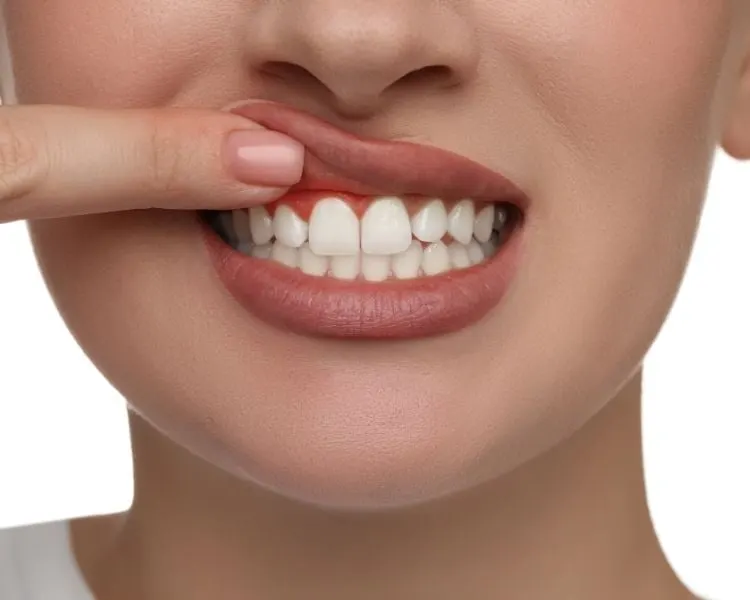
In this article 13 sections
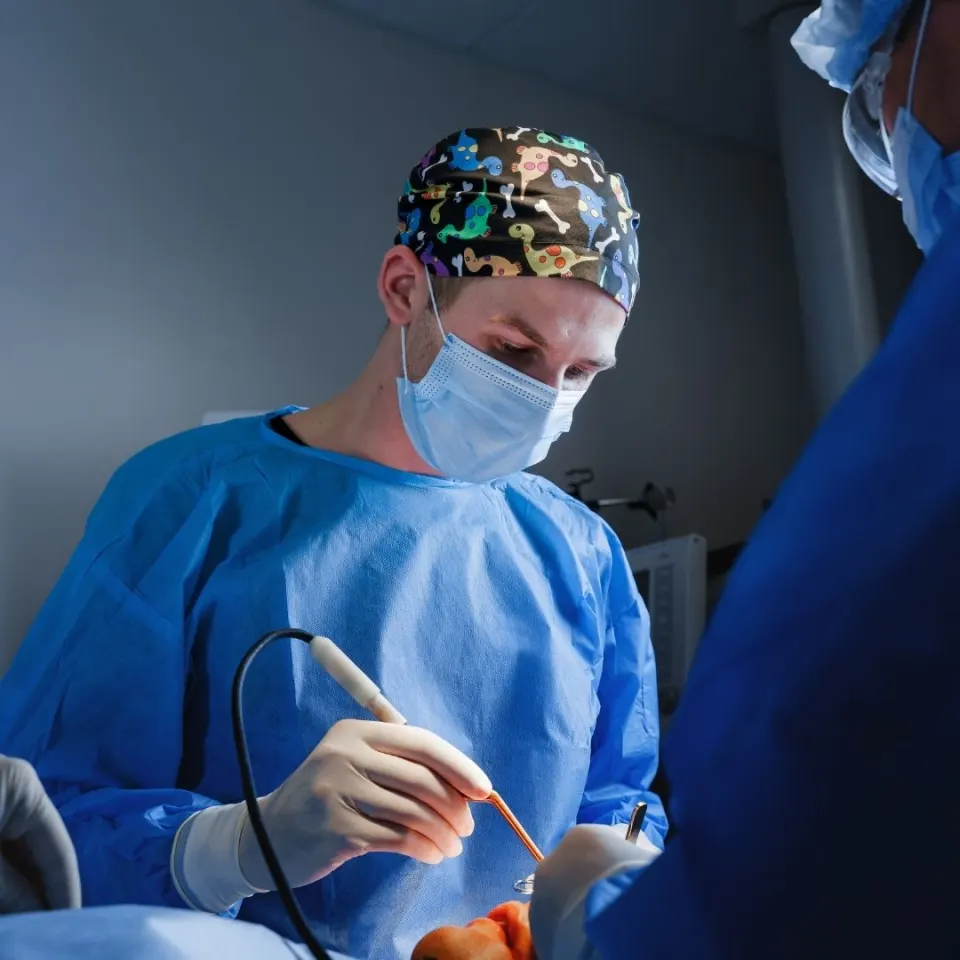
Gum graft surgery is a procedure that treats receding gums by transplanting tissue to areas where the gum has pulled away from the tooth, exposing the root. It is one of the most effective treatments in periodontics — protecting exposed roots, reducing sensitivity, preventing further bone loss, and restoring a natural gum line. This guide covers every aspect: types, procedure, recovery, and honest cost comparisons across the USA, UK, and Turkey.
| Gum graft cost — USA | $600 – $3,000 per graft |
| Gum graft cost — UK | £500 – £2,500 per graft |
| Gum graft cost — Turkey | $200 – $700 per graft (all-incl.) |
| Is it painful? | Under local anaesthesia — not during. Mild 3–7 days after. |
| Recovery time | 1–2 weeks full recovery. Normal activity in 2–3 days. |
| Surgery duration | 60–90 minutes |
| Covered by insurance? | Often partially — medically necessary, not cosmetic |
What is gum graft surgery?
Gum graft surgery — also called gingival graft or periodontal graft surgery — is a surgical procedure that replaces lost gum tissue around one or more teeth where recession has occurred. Gum recession exposes the tooth root, which is not protected by enamel. Exposed roots are sensitive to temperature changes, prone to decay, and aesthetically concerning — the tooth appears longer than normal and the gum line becomes uneven.
Gum grafting does not just address appearance. The primary clinical goals are functional: cover the exposed root, stop the recession from progressing, reduce sensitivity, and prevent root decay. In patients where recession is driven by underlying periodontitis, the gum disease must be treated and stabilised before grafting is considered.
Who needs gum graft surgery?
Gum grafting is recommended when recession has reached a point where:
- The root surface is visibly exposed — increasing sensitivity and decay risk
- The recession is progressing and home care alone cannot halt it
- There is insufficient keratinised (attached) gum tissue to provide a stable protective band
- The recession is causing aesthetic concern and affecting smile confidence
- Recession is compromising the long-term stability of adjacent teeth or implants
Common causes of gum recession requiring grafting: aggressive brushing technique over years, periodontal disease, thin gum tissue (genetic), orthodontic tooth movement, and clenching or grinding. For detail on periodontal disease as a cause: Gingivitis Guide → | Bleeding Gums Guide →
Types of gum grafts — which is right for you?
| Graft type | Tissue source | Best for | Advantage | Limitation |
|---|---|---|---|---|
| Connective tissue graft (CTG) | Subepithelial tissue from palate | Most cases — the gold standard | Best aesthetic result, high success rate | Two surgical sites (recipient + palate) |
| Free gingival graft (FGG) | Full thickness tissue directly from palate | Adding keratinised tissue, thin gums | Excellent for increasing tissue volume | Less aesthetic — colour may differ slightly |
| Pedicle graft (lateral/coronally repositioned) | Adjacent gum tissue — not detached | Single tooth, ample adjacent tissue | Blood supply maintained — faster healing | Only suitable when adjacent tissue is sufficient |
| Alloderm / donor graft | Processed donor tissue (allograft) | Multiple teeth, avoiding second palate site | No palate wound — less post-op discomfort | Higher material cost, slightly lower success rate than CTG |
Which type is most common? The connective tissue graft (CTG) is the most widely used and is considered the gold standard — it produces the most predictable and aesthetically natural result in the majority of cases.
Gum graft surgery procedure — step by step
| Step | What happens | Timing |
|---|---|---|
| 1. Assessment | Gum recession measured, root exposure assessed, X-rays reviewed. Any active gum disease treated first — grafting is not performed on inflamed gums. | Before surgery |
| 2. Anaesthesia | Local anaesthesia numbs both the recipient site and the palate donor site. Pain during the procedure itself is controlled. | Day of surgery |
| 3. Graft harvest | For CTG: a small incision on the palate, subepithelial tissue removed. Palate wound sutured. For alloderm: pre-processed donor material prepared — no palate wound. | 10–15 min. |
| 4. Recipient site | A small pouch or flap is created at the recession site. The graft is positioned to cover the exposed root and secured with sutures. | 20–40 min. |
| 5. Suturing | Graft and palate wound sutured. Gauze placed. Post-op instructions given. Most patients go home within 30 minutes of procedure completion. | 10–15 min. |
| 6. Follow-up | Sutures removed at 1–2 weeks. Graft integration assessed at 4–6 weeks. Full healing and final assessment at 3 months. | 1–12 weeks |
Gum graft cost — USA, UK, Canada and Turkey 2026
Gum graft surgery costs vary significantly by country — and within each country by city, clinic type, and number of teeth treated. Turkey offers the same surgical technique and graft materials at 65–80% below USA and UK private rates.
| Country | Per graft (single tooth) | Multiple teeth | Notes |
|---|---|---|---|
| 🇹🇷 Turkey (all-inclusive) | $200–$700 | $800–$2,500 | Incl. hotel, transfers, follow-up |
| 🇺🇸 USA | $600–$3,000 | $2,500–$9,000+ | Insurance may cover 50–80% |
| 🇬🇧 UK | £500–£2,500 | £2,000–£8,000+ | Not available on NHS typically |
| 🇨🇦 Canada | CAD 1,500–3,500 | CAD 4,000–10,000+ | Some insurance coverage |
| 🇩🇪 Germany | €600–€1,800 | €2,000–€6,000+ | Partial GKV coverage possible |
| 🇦🇺 Australia | AUD 800–3,600 | AUD 3,000–12,000+ | Private insurance may apply |
What affects gum graft cost?
| Factor | Lower cost | Higher cost |
|---|---|---|
| Number of teeth | Single tooth | Multiple teeth / full arch |
| Graft type | Pedicle (no donor site) | Alloderm / donor material |
| Severity of recession | Mild — single site | Severe — multiple quadrants |
| Country / city | Turkey, Eastern Europe | USA, Canada, Switzerland |
Is gum graft surgery covered by insurance?
In many countries, gum graft surgery is classified as a medically necessary procedure rather than cosmetic — which means it may be partially or fully covered by dental insurance.
USA: Most dental insurance plans cover 50–80% of gum graft surgery when it is medically necessary (root exposure, recession affecting tooth health). Check whether your plan covers periodontal procedures under major restorative benefits. Pre-authorisation is usually required.
UK: NHS does not routinely cover gum graft surgery — it is treated as a private procedure in most cases. Cost: £500–£2,500 per graft privately.
Canada: Most provincial plans and private dental insurance partially cover periodontal surgery. Coverage varies significantly by plan — check the surgical/periodontal benefit section.
Germany: GKV (statutory health insurance) may cover part of gum graft surgery when periodontally indicated. Private insurance (PKV) typically covers more broadly. Confirm with your Krankenkasse before treatment.
For international patients in Turkey: Most private travel insurance plans do not cover elective dental surgery abroad. However, the all-inclusive Turkey cost ($200–$700 per graft) is often below the out-of-pocket co-pay for the same procedure in the USA or Canada.
Gum graft surgery recovery — what to expect week by week
| Timeline | What happens | What to do |
|---|---|---|
| Day 1–2 | Swelling, mild bleeding, anaesthesia wearing off. Some discomfort at palate site. | Ice packs (outside face), prescribed pain relief, soft cold foods (yoghurt, ice cream), rest |
| Days 3–7 | Swelling peaks then subsides. Graft begins integrating. Palate heals faster than graft site. | Soft foods, gentle chlorhexidine rinse, no brushing graft site, no smoking |
| Days 7–14 | Sutures removed (if non-resorbable). Graft colour normalises. Most patients return to normal activities. | Resume gentle brushing near graft. Avoid hard or crunchy foods another week. |
| Weeks 3–4 | Graft fully integrated into surrounding tissue. Surface healing complete. | Normal brushing and diet. Follow-up assessment. |
| Months 2–3 | Full maturation of graft. Final root coverage result visible and stable. | Final assessment appointment. Outcome photographed and recorded. |
What to eat after gum graft surgery
First week (soft, cool foods): yoghurt, ice cream, scrambled eggs, mashed potato, smoothies, soft fish, pasta, soup (lukewarm). Avoid: hot foods and drinks (increase bleeding risk), hard or crunchy foods (rice, crackers, seeds), spicy foods, alcohol, smoking.
Week 2 onwards: Gradually reintroduce normal foods as comfort allows. Avoid anything that requires biting directly into the graft area for the first 3–4 weeks.
Gum graft surgery in Turkey — why Antalya?
Turkey is a popular destination for periodontal treatment — including gum graft surgery — for patients from the UK, USA, Germany, and across Europe. The price difference is structural: lower clinic operating costs and higher surgical volume, not inferior technique or materials.
At The More Clinics in Antalya, gum graft surgery is performed by Dr. Mehmet Can Kılınçaslan — specialist in Periodontology and Implantology. The procedure uses the same connective tissue graft technique and suturing protocol as leading periodontal practices in the UK and USA. All-inclusive: surgery, anaesthesia, sutures, post-op kit, hotel accommodation, VIP airport and clinic transfers, and 12-month remote follow-up after returning home.
- Periodontal assessment and treatment planning
- 3D imaging and X-rays if required
- Gum graft surgery (connective tissue or free gingival, as clinically indicated)
- Post-operative kit — chlorhexidine rinse, pain relief, dietary guidance
- Hotel accommodation (typically 5–7 nights)
- VIP airport pick-up and clinic transfers throughout
- Suture removal appointment
- 12-month WhatsApp follow-up after returning home
Before and after — gum graft surgery
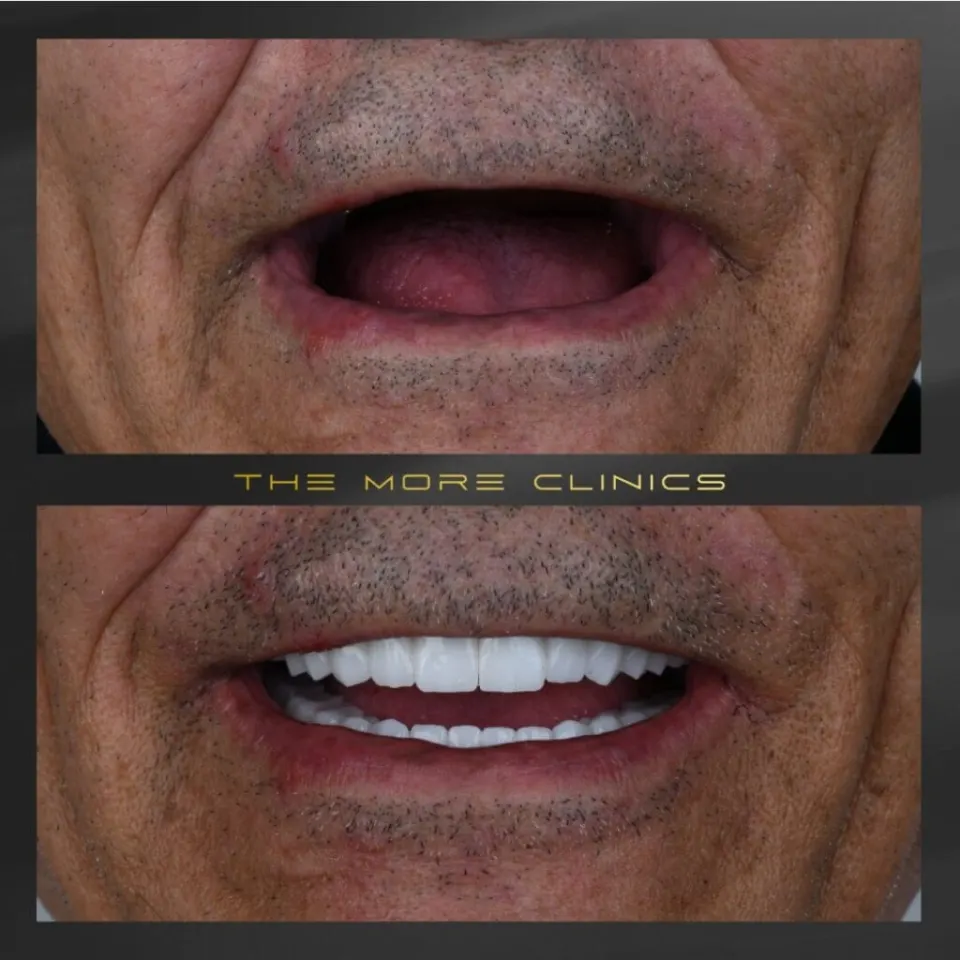
Before & after — gum recession corrected
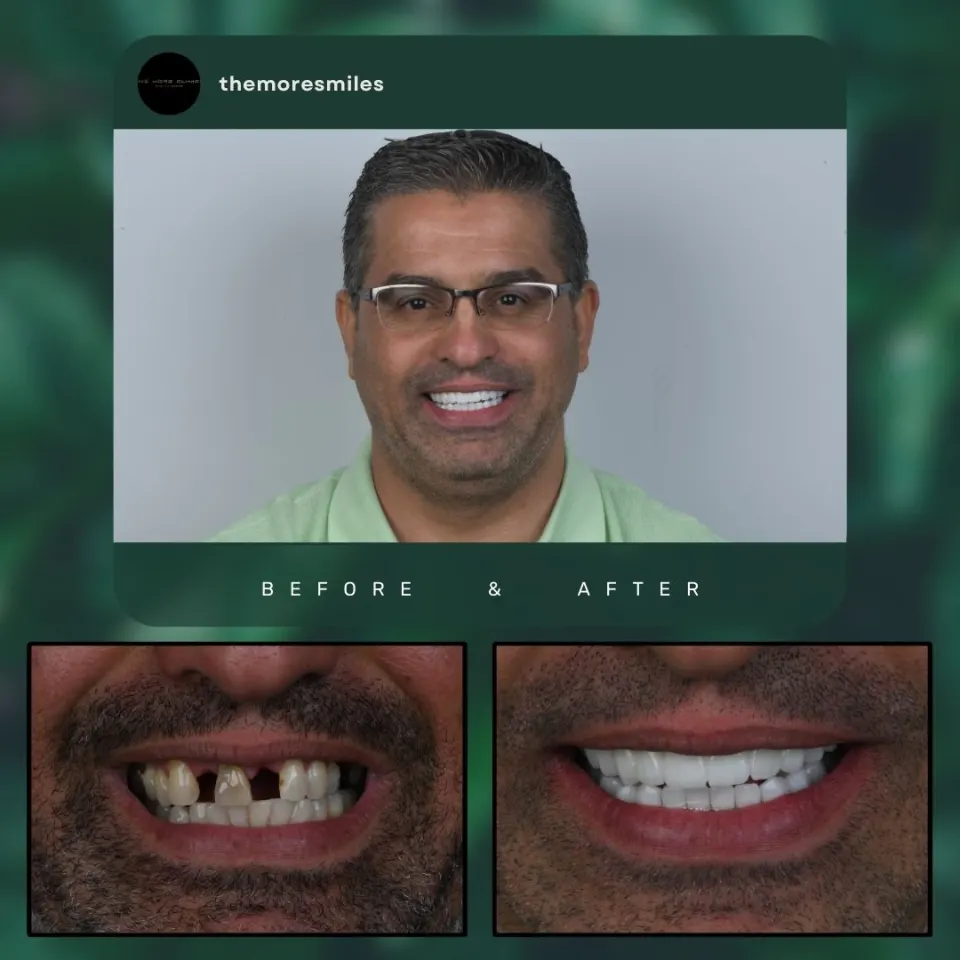
Root coverage restored — full healing at 3 months
Frequently asked questions — gum graft surgery
Is gum graft surgery very painful?
During the procedure: no — local anaesthesia numbs both the graft site and the palate donor site completely. Pain during the surgery itself is controlled. After the anaesthesia wears off, mild to moderate discomfort is normal for 3–5 days — particularly at the palate donor site, which some patients describe as feeling like a pizza burn.
This is managed with prescribed pain relief (typically ibuprofen or paracetamol) and resolves within a week for most patients. The graft site itself is typically less painful than the palate.
What is the recovery time for gum graft surgery?
Most patients return to desk work and light normal activities within 2–3 days. The recommendation is to avoid strenuous physical exercise for 1–2 weeks. Full soft-tissue healing at the surface occurs within 2–4 weeks. The graft fully matures and the final root coverage result is visible and stable at 3 months. Palate donor site heals faster — typically fully healed within 3–4 weeks.
How serious is gum graft surgery?
Gum graft surgery is a routine periodontal procedure with a high success rate — 85–95% root coverage is achieved in appropriate cases. It is performed under local anaesthesia, not general anaesthesia, and does not require hospitalisation. Serious complications are rare. The most common issues — mild bleeding, post-operative sensitivity, temporary swelling — are expected and managed with prescribed aftercare. Infection is uncommon when post-operative instructions are followed.
How much does gum grafting cost in the UK?
In the UK, gum graft surgery is not routinely available on the NHS and is treated as a private procedure. Cost ranges from £500–£2,500 per graft site depending on the clinic, the periodontist's experience, and the complexity. Multiple teeth treated in one session typically reduce the per-tooth cost. In Turkey, the equivalent treatment costs $200–$700 per graft all-inclusive — a saving of 65–80% versus UK private rates.
Is gum grafting worth the money?
Yes — for patients with significant root exposure or progressing recession. Without treatment, exposed roots continue to recede, accumulate decay, and eventually require more invasive treatment (root canals, extractions, implants). Gum grafting halts recession, protects roots for decades, eliminates sensitivity, and reduces the long-term cost of dental care.
The $200–$700 Turkey cost is a fraction of what untreated recession costs in the long run. For patients with mild recession who are not yet at the grafting threshold, close monitoring with corrected brushing technique and periodontal maintenance may be sufficient.
How much does a gum graft cost in Turkey?
$200–$700 per graft site all-inclusive at The More Clinics in Antalya. All-inclusive means: periodontal assessment, 3D imaging, surgery, anaesthesia, sutures, post-op kit, hotel, transfers, and 12-month remote follow-up. Multiple teeth treated in one visit are discounted. For a specific quote based on your case, share photographs and X-rays via WhatsApp — a treatment plan and price is provided within 24 hours.
Can I regrow my receding gums?
No — gum tissue does not regenerate spontaneously. Recession that has already occurred cannot be reversed by improved brushing, special toothpastes, or home remedies. What home care can do: halt progression (by correcting the cause — brushing technique, gum disease treatment), and prevent further loss. To restore tissue that has already receded, gum graft surgery is the only clinically proven treatment.
How long does gum graft surgery take?
A single-tooth graft takes approximately 60–75 minutes. Multiple teeth treated in the same session extend the time proportionally — a 3–4 tooth session typically takes 90–120 minutes. The palate harvest adds 10–15 minutes for connective tissue grafts. Alloderm cases (no palate harvest) are slightly faster. The procedure is performed in a single session.
What is the success rate of gum graft surgery?
Connective tissue grafts — the most commonly used type — achieve 85–95% root coverage in well-selected cases with experienced periodontists. The success rate decreases with multiple adjacent recessions, compromised blood supply, or active periodontitis that has not been fully treated prior to grafting. Smoking significantly reduces success rates and is strongly discouraged before and after surgery.
Do I need gum grafting before dental implants?
In some cases, yes. Implants placed in areas with thin or insufficient keratinised gum tissue are more susceptible to peri-implantitis (infection around the implant) and aesthetic problems. A gum graft before or at the time of implant placement can provide the stable gum architecture needed for long-term implant success. Your periodontist and implant surgeon assess this at treatment planning. For implant detail: Dental Implants Turkey Guide →
What is the difference between gum graft and bone graft?
A gum graft replaces lost soft tissue (gum) and restores root coverage. A bone graft replaces lost bone — usually to create the volume needed for implant placement. They address different tissues and often work together: a patient who has lost both bone and gum tissue due to periodontitis may need both procedures. Gum grafts do not regenerate bone; bone grafts do not replace gum tissue.
The Last Word from The More Clinics
Gum recession is progressive — it does not stop on its own, and the tissue does not grow back. The earlier it is treated, the simpler the procedure, the better the result, and the less expensive the long-term dental care. A single-tooth gum graft performed in the right hands halts the problem permanently and restores root coverage that protects the tooth for decades.
A free consultation by WhatsApp or video call tells you whether you are a candidate, which graft type is most appropriate, and what the all-inclusive cost looks like for your specific case — before you commit to anything.
Book a Free Consultation → WhatsApp Us →
This article is medically reviewed by Dr. Mehmet Can Kılınçaslan — Specialist in Periodontology and Implantology — using the connective tissue graft technique as standard.

Medical disclaimer: This guide is for informational and educational purposes only. Gum graft surgery requires individual clinical assessment. Consult a qualified periodontist for evaluation specific to your situation before booking treatment.
This article provides general information and does not replace an individual medical assessment, diagnosis or treatment advice. Discuss decisions about your health and treatment with your treating clinician.