What Is "Turkey Teeth"? The Honest Truth Behind the Trend
Talk to our team
In this article 15 sections
"Turkey teeth" is one of the most talked-about — and most misunderstood — terms in dentistry. You've probably seen the dramatic before-and-after videos: an ultra-white, perfectly even smile, done in Turkey for a fraction of UK or US prices. But you may also have seen the horror stories and the warnings. So what's the truth?
As a dental provider in Turkey, we're not going to give you a sales pitch — you deserve an honest explanation. This guide covers what "Turkey teeth" actually means, the crucial difference between crowns and veneers, why the term became controversial, the real risks, and how to get a safe, natural result if you do choose treatment.

The honest short answer: "Turkey teeth" is an informal term for a full set of veneers or crowns done in Turkey at low cost. The look can be excellent — but the controversy is real: the biggest risk is healthy teeth being aggressively filed down for crowns when minimal-prep veneers (or no treatment at all) would have been better.
The country isn't the problem; rushed treatment, the wrong clinic, and unnecessary work on healthy teeth are. Choosing well — and understanding crowns vs veneers — is everything.
What "Turkey teeth" actually means
"Turkey teeth" is a viral nickname — originating in the UK around 2019–2021 through TikTok and Instagram — for a bright white, uniform smile makeover, usually a full set of porcelain veneers or zirconia crowns, done in Turkey at a much lower price than at home.
The term has two meanings: used positively, it describes a dramatic, life-changing smile transformation; used negatively (sometimes sarcastically), it describes unnatural-looking, overly white "peg" teeth, or cases where healthy teeth were filed down aggressively when a gentler treatment would have done. Both meanings are real — which is exactly why understanding the details matters so much.
Crowns vs veneers: the single most important thing to understand
This is the heart of the whole "Turkey teeth" issue, and the one thing most people get wrong. Crowns and veneers are not the same — even when they end up looking similar:
| Veneers | Crowns | |
|---|---|---|
| What it is | Thin shell bonded to front of tooth | Cap covering the whole tooth |
| Tooth removed | Minimal — thin layer of enamel | Substantial — ~60–73% of the tooth |
| Reversible? | Minimal, conservative | No — permanent, tooth needs a crown for life |
| Right for | Healthy teeth: minor chips, gaps, discolouration | Damaged, decayed, root-treated or worn teeth |
A veneer is a thin shell that needs only a small amount of enamel removed — conservative, and ideal for teeth that are healthy but cosmetically imperfect. A crown caps the entire tooth and requires the dentist to file the tooth down by roughly 1.5–2mm all the way around, removing 60–73% of the tooth structure.
That's completely appropriate when a tooth is decayed, root-treated, fractured or heavily worn — but on a healthy tooth, it's a permanent, irreversible loss. Once that enamel and structure is gone, it doesn't grow back, and the tooth will need a restoration for the rest of its life.
Watch out for the phrase "zirconia veneers." Zirconia is a crown material — a "zirconia veneer" quote almost always describes full-coverage crowns, not veneers. Many patients who ask for veneers are quietly given crowns instead. Always clarify exactly what you're being offered and how much tooth will be removed.


Why "Turkey teeth" became controversial
The controversy isn't really about Turkey — it's about a pattern. Some clinics recommend full crowns where minimal-prep veneers, or no treatment at all, would have been more appropriate, because crowns can be made faster and sometimes generate higher profit. A widely reported BBC investigation sent an undercover patient with healthy teeth to multiple clinics; a majority recommended full-coverage crowns on structurally healthy teeth — treatment that UK dentists reviewing the same records overwhelmingly said was unnecessary.
Add in compressed 5–7 day timelines, sometimes without proper 3D imaging, and you have the recipe behind the "gone wrong" stories. It's important to be clear: this is a clinic-selection and treatment-planning problem, not something inherent to Turkey — which has many excellent, ethical dentists and modern clinics.
What Are Turkey Teeth Gone Wrong?
"Turkey teeth" sometimes refers to, particularly in the UK, poorly executed dental treatments in Turkey, where teeth end up looking fake, overly white, bulky, boxy, or opaque, all with the same length. Unfortunately, this term has been generalized to encompass all dental work in Turkey. The term "Turkey Teeth Gone Wrong" now signifies poor dental work that can lead to complications such as severe pain, high sensitivity, tooth death, infections, or failure of the dental appliance.

The real "Turkey teeth" risks — honestly
We'd rather you know these than find out later:
- Irreversible tooth loss: healthy teeth filed down for crowns can never be restored to their natural state.
- Nerve damage: heavy tooth reduction gets close to the nerve, which can cause lasting sensitivity, pain, or the need for root canal treatment (pulp problems are documented in a notable minority of aggressive cases).
- Bite and gum problems: poorly fitted crowns or veneers can cause bite issues, gum irritation and inflammation.
- Rushed treatment: complex full-mouth work compressed into a few days leaves little margin for careful planning.
- Limited aftercare: if something goes wrong after you return home, follow-up can be difficult — which is why a clinic's remote support and warranty pathway matter enormously.
Why is it so much cheaper?
The lower price — often around 70% less than the UK or USA — reflects economics, not inherently lower quality. Lower laboratory fees, rent, and labour costs, plus favourable exchange rates, let Turkish clinics offer the same materials (porcelain, zirconia, E-max) at a fraction of the price.
In Turkey, veneers or crowns typically cost around $200–$450 per tooth, versus $800–$2,500 per crown in the US. The savings are real — but price should never be the reason you agree to more invasive treatment than you need.
If your teeth are healthy: gentler options first
This is the part some clinics won't tell you. If your teeth are essentially healthy and your concerns are mild, you may not need veneers or crowns at all:
- Teeth whitening — if the only issue is colour, whitening costs a fraction of veneers and removes nothing.
- Composite bonding — can close a small gap or repair a chip without touching healthy enamel.
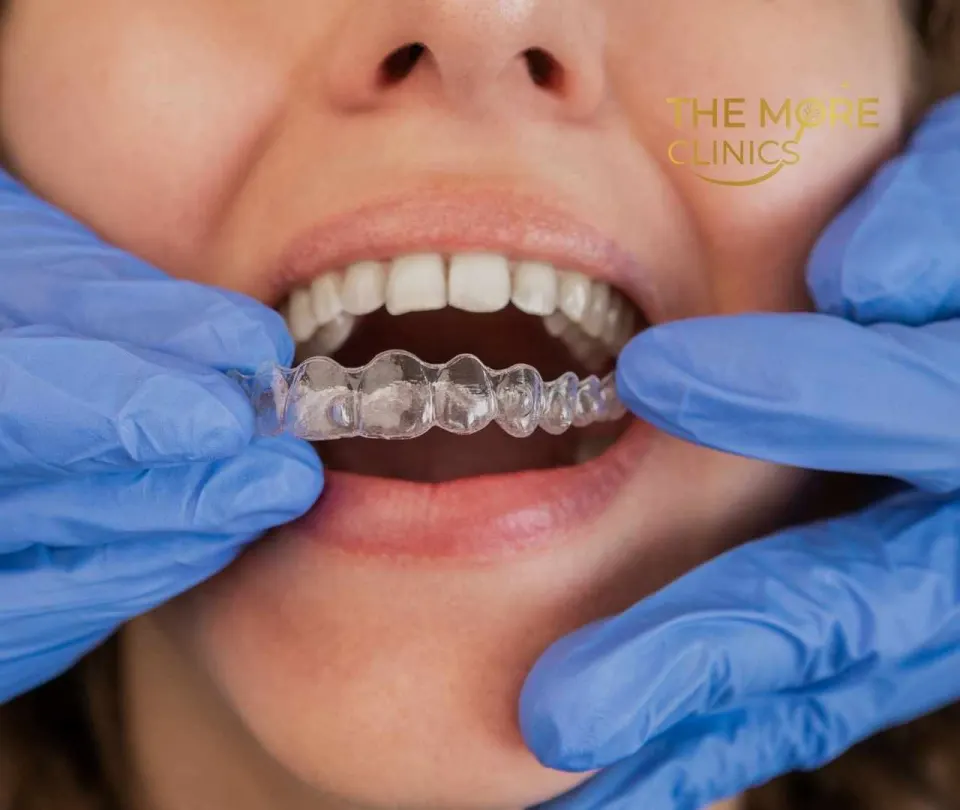
- Clear aligners — for alignment issues, aligners straighten teeth without any filing.
- No-prep or minimal-prep veneers — sit over the tooth with little or no reduction, for suitable cases.
A conservative, ethical dentist will always consider whether a gentler option would give you a better long-term outcome before recommending crowns.
How to get a safe, natural result
- Insist on the least invasive option that meets your goals — veneers or bonding over crowns where your teeth are healthy.
- Clarify crowns vs veneers in writing, and ask exactly how much tooth will be removed.
- Choose a clinic with qualified, verifiable dentists and proper planning (including 3D imaging where needed).
- Don't rush — be wary of extreme timelines for complex full-mouth work.
- Check aftercare and warranty — what happens if there's a problem once you're home?
- Aim for natural — a good result looks like healthy teeth, not oversized ultra-white blocks.
Turkey Teeth Before and After Photos
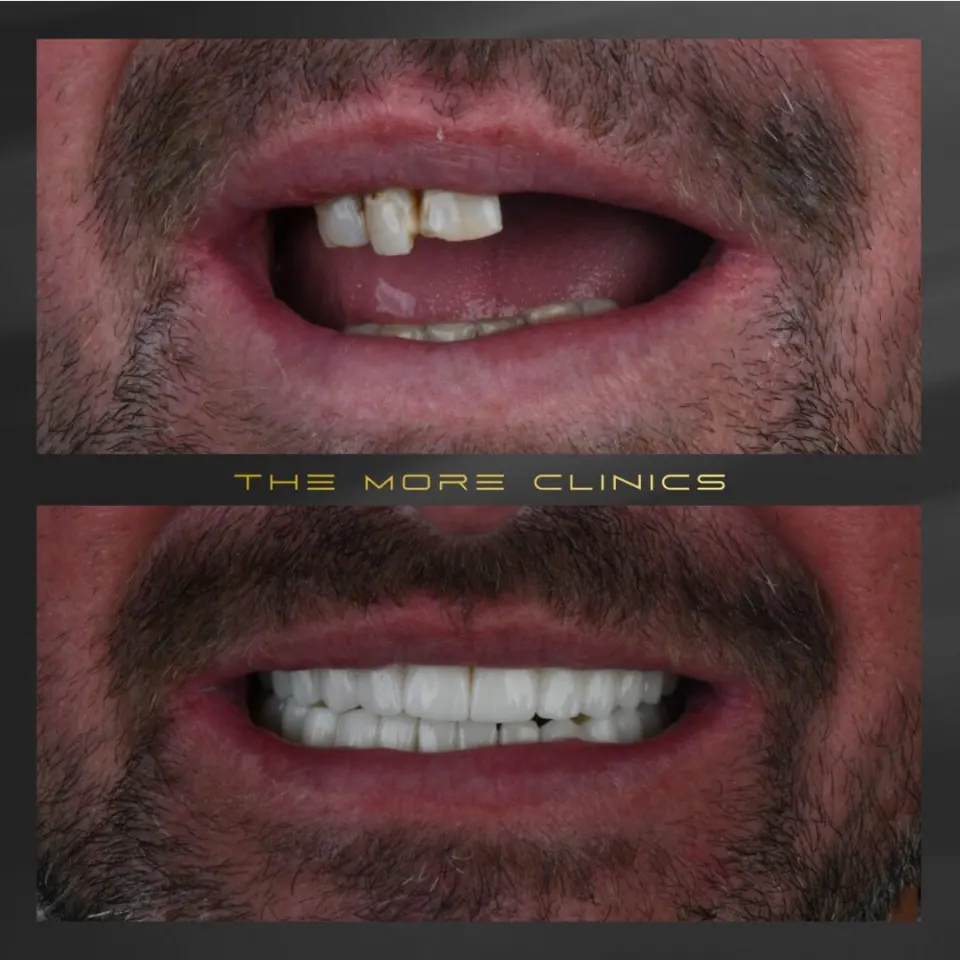
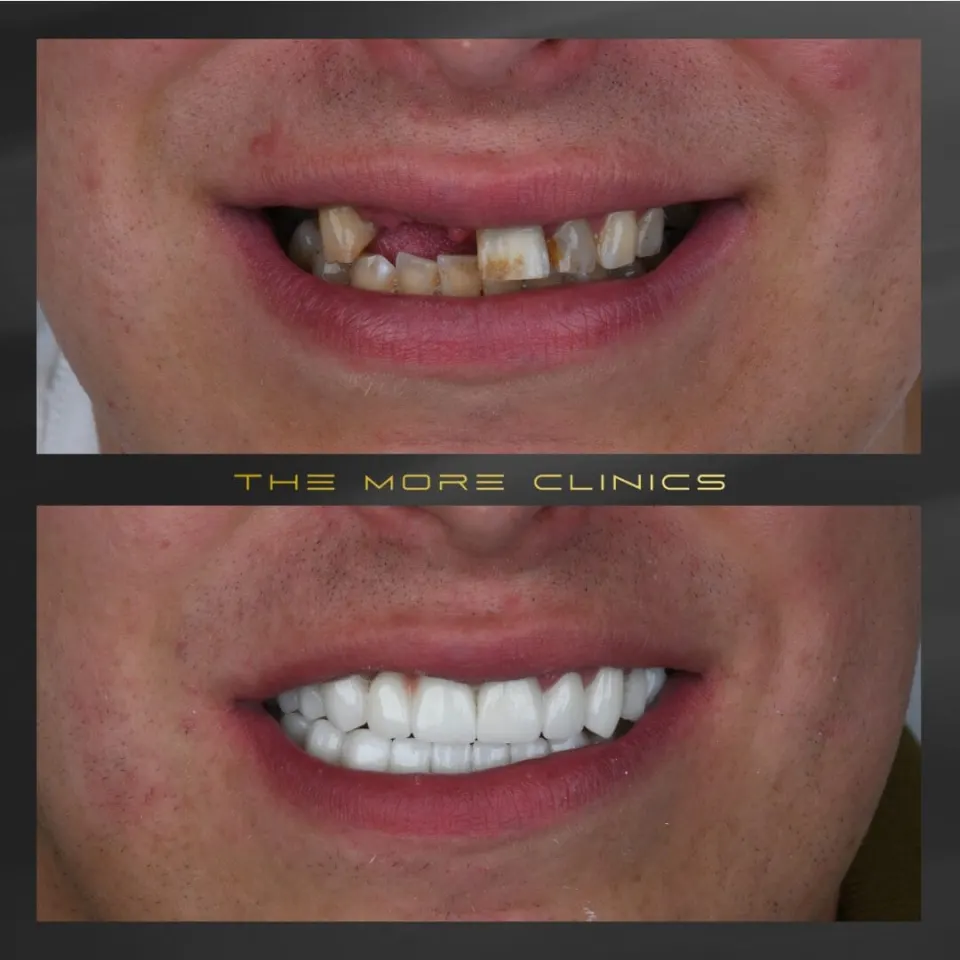
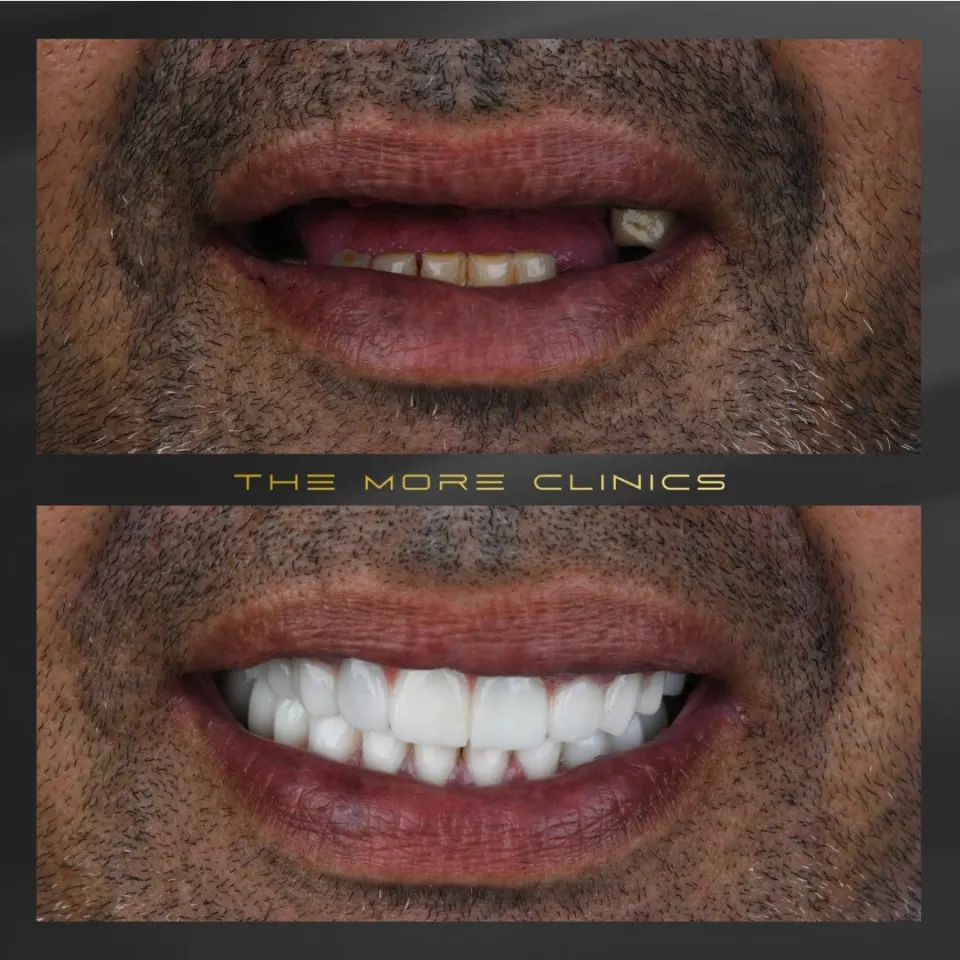
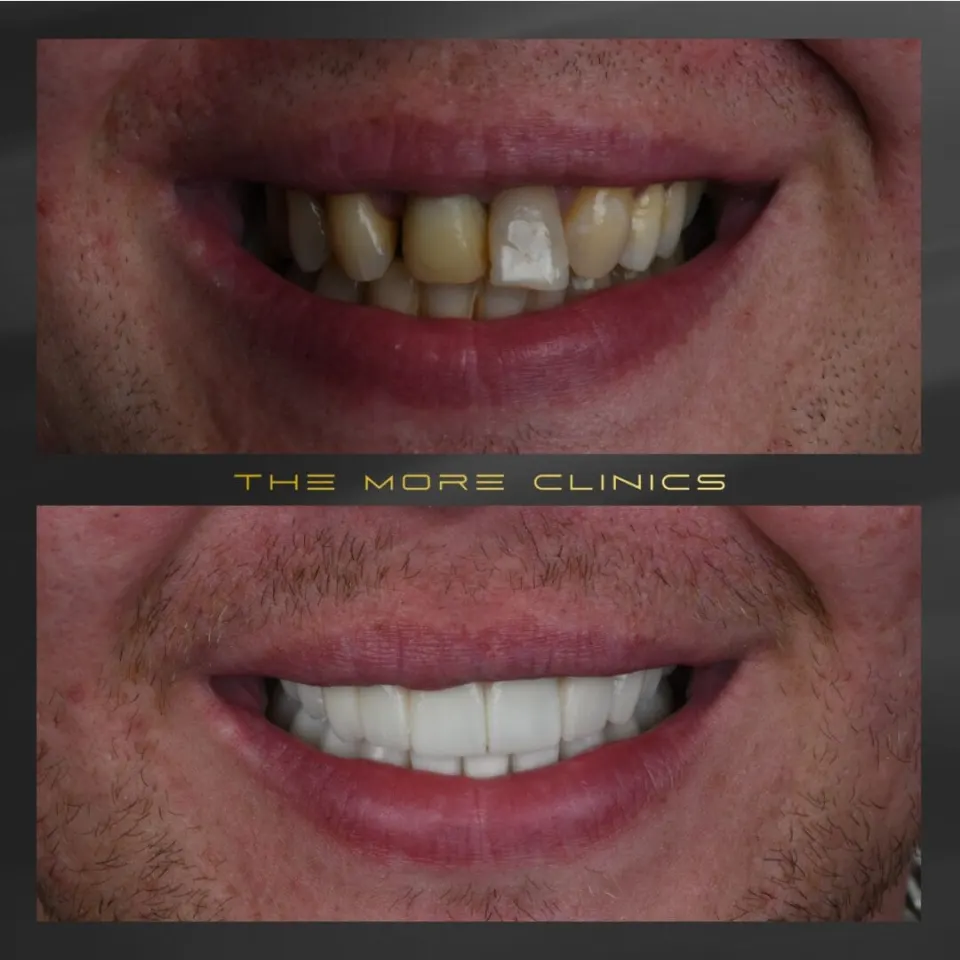
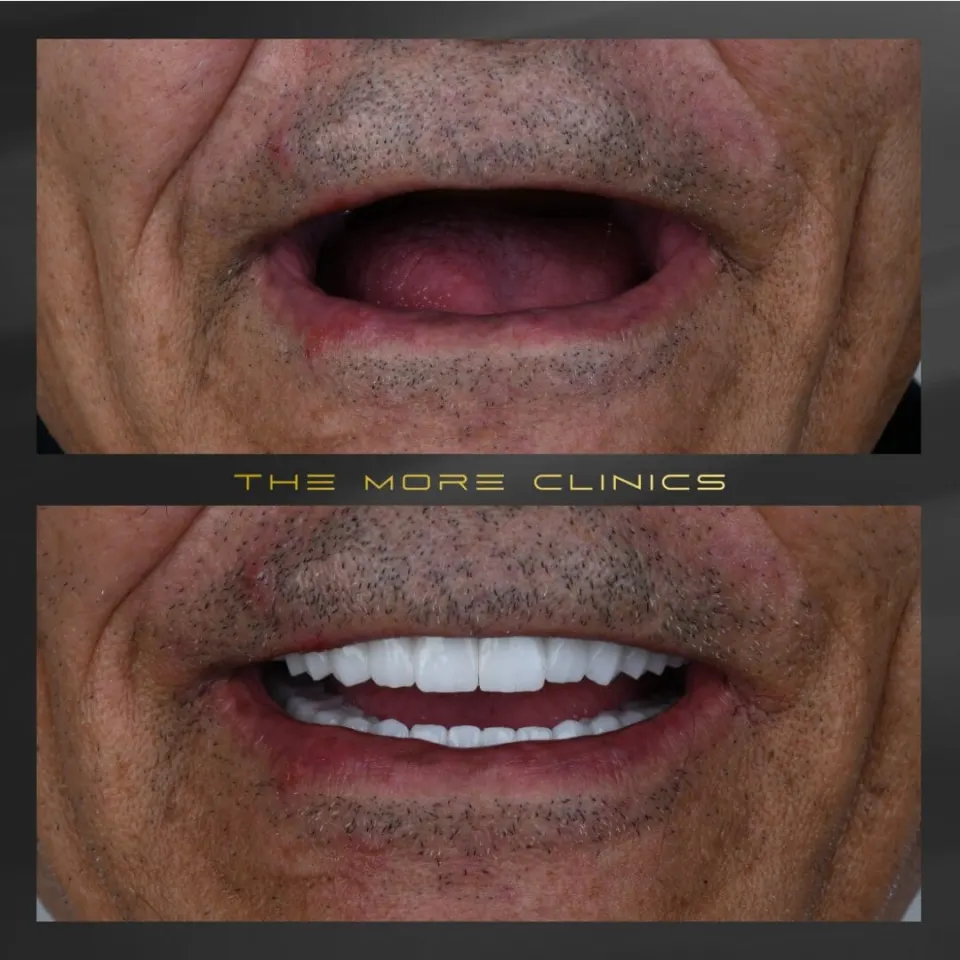
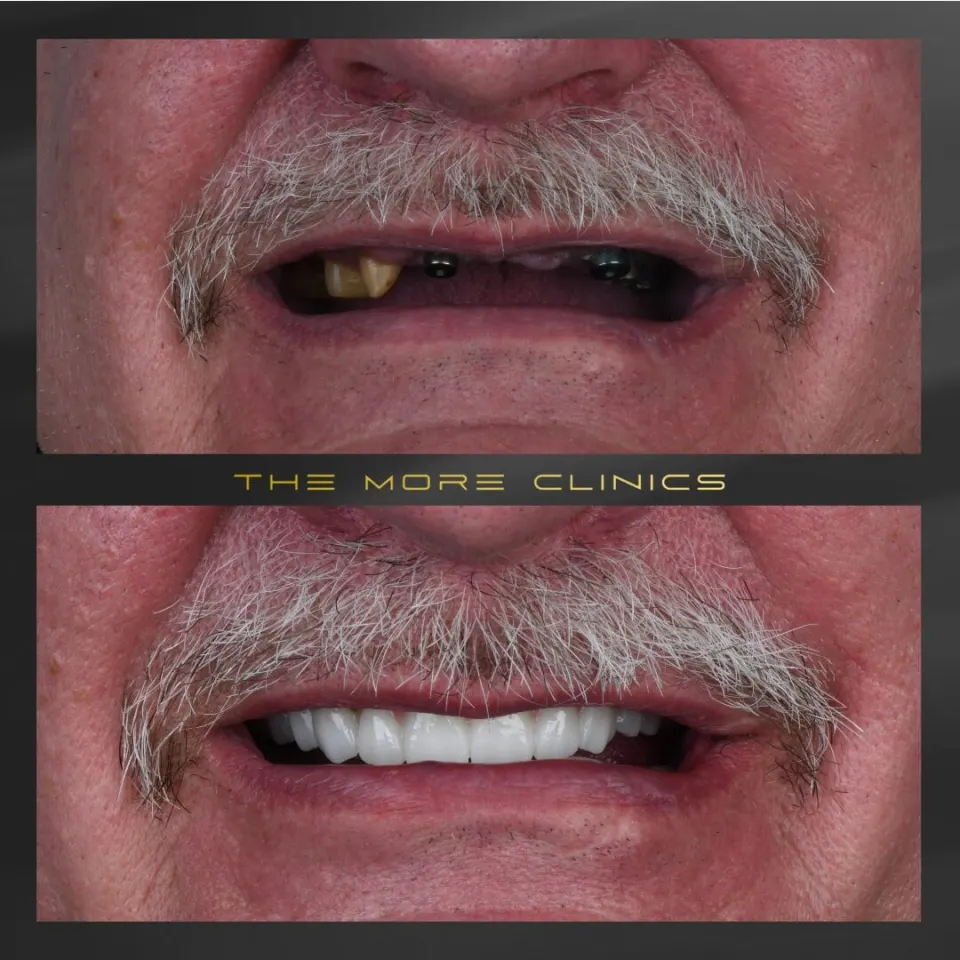
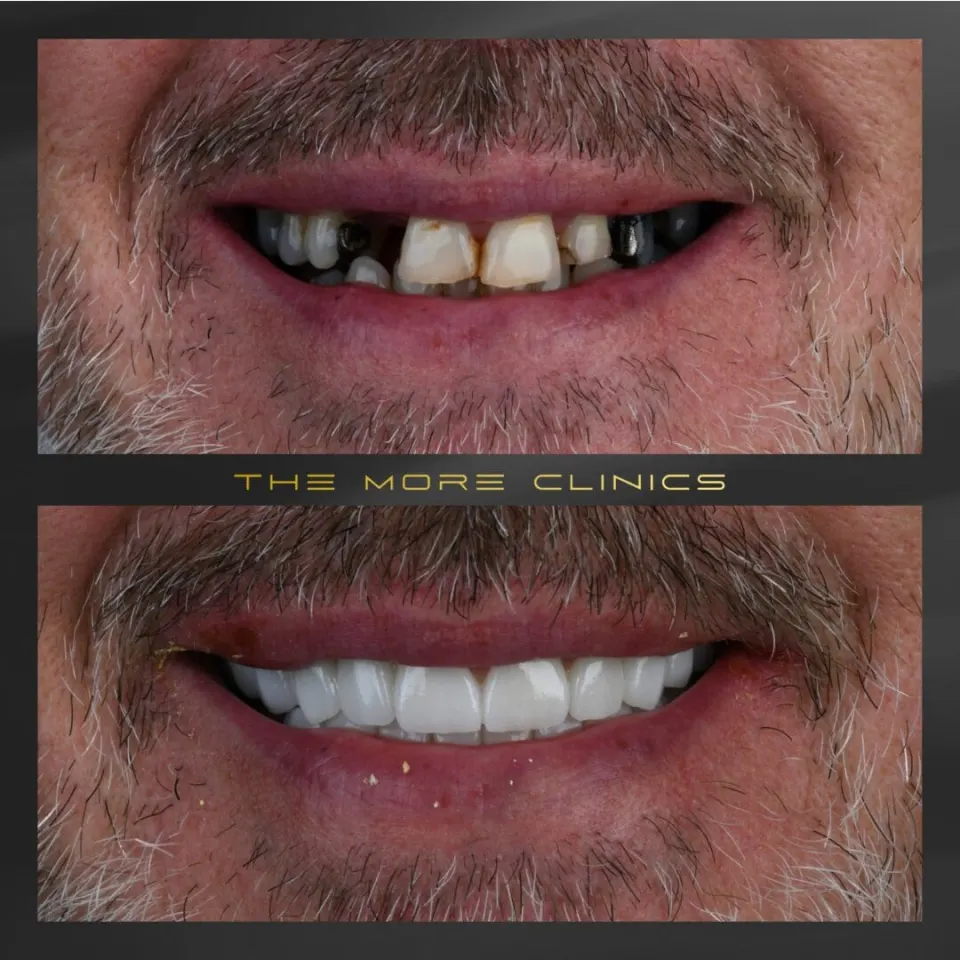
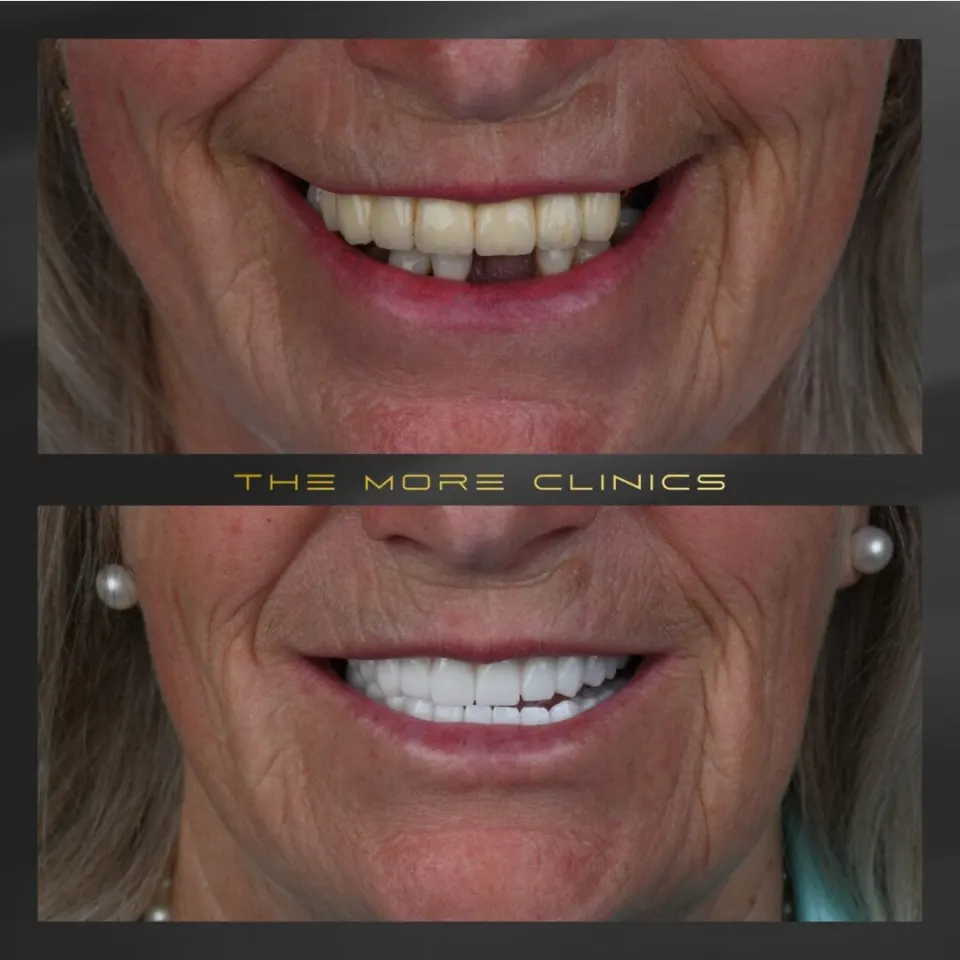
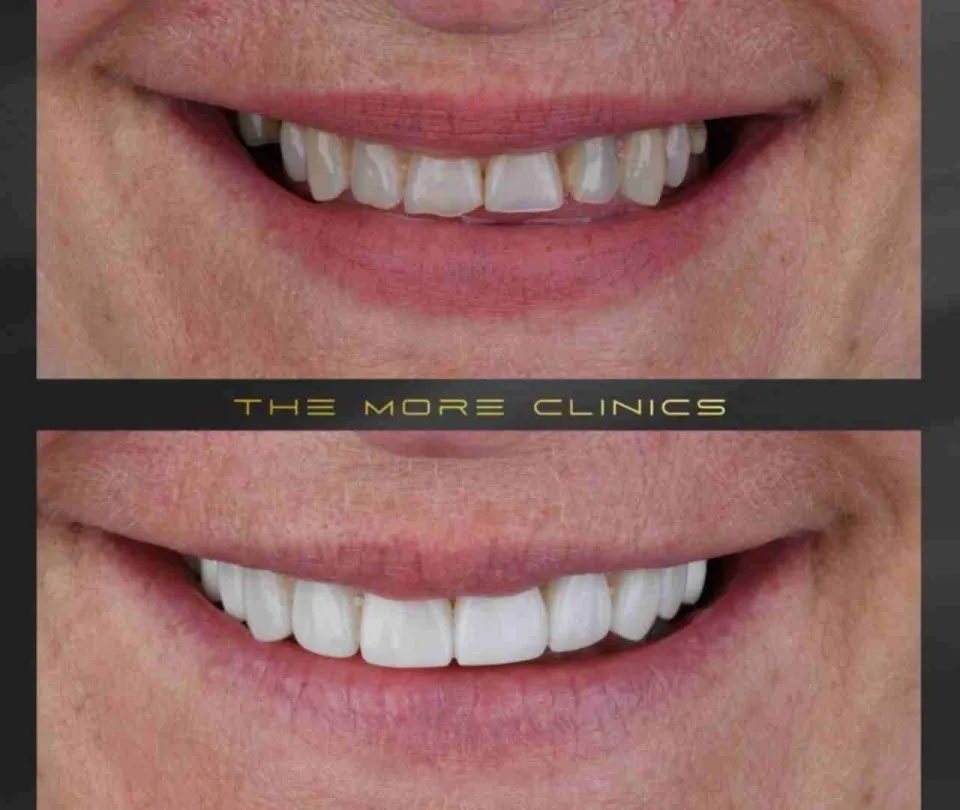
Reasons of the Result "Turkey Teeth Gone Wrong"
Patient-Caused Turkish Teeth Problems in Dental Tourism
Searching only for the cheapest price: Overemphasis on cost can lead patients to overlook crucial factors such as expertise, materials, and technology. Mostly they are after the cheapest Turkey teeth prices and packages without asking any question then how much are Turkey teeth prices?
Ignoring the dentist's expertise: Patients often neglect to evaluate the qualifications and experience of the dentist.
Inattention to materials and technology: A lack of concern for the quality of materials and dental technology used can lead to subpar results.
Not requesting references: Patients fail to seek contacts of previous patients to gain firsthand reviews and experiences.
Insufficient research: Many patients don't conduct thorough research or seek professional help to guide them in making an informed decision.
Dentist or Clinic Caused Turkish Teeth Problems in Dental Tourism
Profit-centered practices: Some businesses prioritize profit over patient care, compromising quality and offering the cheapest materials and inexperienced dentists to be able to offer best turkey teeth prices.
Inexperience: Clinics or dentists may attempt to perform treatments without adequate experience or knowledge.
Lack of specialized training: Treatments are sometimes carried out by individuals without the necessary specialized training.
Eagerness to attract foreign patients: An excessive desire to attract foreign patients can lead to compromises in quality and patient care.
Absence of post-operative guidelines: Some clinics do not provide adequate post-operative care instructions, impacting recovery.
Abandoning patients post-problems: A lack of a proper guarantee or aftercare policy can result in patients being left without support if problems arise after treatment.
Our approach at The More Clinics
We'll be straight with you: we're clear about the difference between crowns and veneers, and if a gentler option like whitening, bonding or minimal-prep veneers would serve you better, we'll tell you. Our dental work is carried out by qualified, experienced dentists such as Dr. Onur Ademhan, and we plan treatment around the long-term health of your teeth — not just the fastest route to a white smile. If you're considering treatment, we're happy to give you an honest assessment of what you actually need.
Want an honest assessment of what you actually need?
Send us a photo and we'll tell you honestly — veneers, crowns, whitening, or nothing at all. No pressure. Free Assessment →
"Turkey Teeth" — Frequently Asked Questions
What does "Turkey teeth" mean?
It's an informal, viral term for a bright, uniform smile makeover — usually a full set of veneers or crowns — done in Turkey at low cost. It's used both positively (dramatic transformations) and negatively (unnatural results or over-aggressive treatment).
Are "Turkey teeth" crowns or veneers?
Either — and the difference is crucial. Veneers are thin shells needing minimal tooth reduction; crowns cap the whole tooth and remove 60–73% of its structure permanently. Many "Turkey teeth" cases are actually crowns, even when patients asked for veneers.
Are "Turkey teeth" safe?
Dental treatment in Turkey isn't inherently unsafe — Turkey has excellent, ethical dentists. The risk comes from rushed treatment, aggressive filing of healthy teeth, and poor clinic selection. Choosing conservative treatment and a reputable clinic makes it much safer.
What's the main risk?
Healthy teeth being filed down for crowns when veneers or no treatment would have been better. This is permanent and can lead to sensitivity, nerve problems or the need for root canals. Insisting on the least invasive option protects you.
How much do "Turkey teeth" cost?
Typically around $200–$450 per tooth in Turkey (a full set roughly $2,000–$5,500), versus $800–$2,500 per crown in the US — about 70% less, due to lower costs, not lower quality.
Do I really need veneers or crowns?
Not always. If your teeth are healthy and concerns are mild, whitening, bonding, aligners or minimal-prep veneers may give a better long-term result. An honest dentist considers these first.
What is a "zirconia veneer"?
It's usually a crown, not a veneer — zirconia is a crown material. If you're quoted "zirconia veneers," clarify exactly how much tooth will be removed, as it likely means full-coverage crowns.
The Last Word from The More Clinics
"Turkey teeth" can mean a beautiful, life-changing smile — or a cautionary tale, and the difference comes down to honest treatment planning and clinic choice, not the country. The single most important thing you can do is understand crowns versus veneers, and insist on the least invasive option that's right for your teeth.
We're a Turkish dental provider telling you to be cautious and choose conservatively — because that's what a trustworthy clinic should do. If you'd like an honest opinion on what you actually need, we're here, with no pressure.
Related: Dental veneers · Hollywood smile makeover · Teeth whitening · Dental clinic Antalya
Medical disclaimer: This page is for general information only and is not medical advice. "Turkey teeth" refers to dental procedures that carry real risks, and outcomes vary between individuals. Enamel and tooth structure, once removed, do not grow back. Always consult a qualified, licensed dentist who can assess your individual case before making a decision. See also our guide: Are dentists qualified doctors?
SOURCES:
British Dental Association (BDA)
BBC, Dental tourism research
Evidence-Based Prosthodontics, Pubmed
Contemporary dental tourism: a review of reporting in the UK news media, Pubmed
HOW THE MORE CLINICS KEEP THE CONTENT UP TO DATE:
Our dedicated medical and editorial teams work tirelessly to stay informed about the ever-evolving world of health news. By rigorously tracking the latest research, clinical guidelines, and significant developments across various medical fields, they ensure that our content remains accurate, relevant, and up-to-date.
This includes reviewing peer-reviewed studies, consulting with healthcare professionals, and monitoring advancements in medical technology. Their meticulous efforts and attention to detail allow us to provide you with trustworthy, reliable information that you can depend on to make informed decisions about your health and well-being.
However, we still insist on getting a healthcare professional's opinion before you make any decision about your health. Consulting with a qualified expert ensures that the choices you make are informed, safe, and tailored to your individual needs.
Last Updated: [27 August 2026]
Published: [16/01/2023]
Written by The More Editorial Team and Medically Reviewed by Dr. Onur Ademhan, specialist in Oral and Maxillofacial Surgery. See our Editorial Process.
This article provides general information and does not replace an individual medical assessment, diagnosis or treatment advice. Discuss decisions about your health and treatment with your treating clinician.