
Vitrectomy Surgery Turkey
If you've been told you need a vitrectomy, you probably have two things on your mind: getting your vision treated properly, and what it's going to cost. Vitrectomy is delicate, specialised eye surgery — and in the UK, USA or much of Europe, having it done privately can be very expensive, often with a long wait attached.
Turkey has become a genuine alternative, with experienced vitreoretinal surgeons, modern hospitals, and prices that are typically 60–80% lower than back home. Here's an honest look at what vitrectomy involves, what it costs in Turkey, and what recovery is really like.
In short: vitrectomy in Turkey usually costs somewhere between $2,300 and $6,000, depending on the complexity of your case — compared with roughly $9,800 in the US, or €9,000–€14,000 for private surgery in the UK and Europe. Success rates for common conditions are high, generally in the 85–95% range, and much of the difference in price comes down to lower running costs, not lower standards.
What is a vitrectomy?
A vitrectomy is a microsurgical procedure that removes the vitreous — the clear, jelly-like substance that fills the inside of your eye. Once it's removed, your surgeon can reach the retina at the back of the eye to repair it, and then fills the space with a saline solution, a gas bubble, or silicone oil, depending on what your eye needs.
It's the surgery of choice for a number of retinal problems, and in experienced hands it's a routine, well-established operation — though "routine" never means it isn't precise, careful work.

What is a vitrectomy used for?
You might need a vitrectomy for several reasons, most of them involving the retina:
- Retinal detachment — reattaching the retina when it has pulled away from the back of the eye.
- Macular hole — closing a small tear in the macula, the central part of the retina responsible for sharp, detailed vision.
- Diabetic retinopathy — clearing blood (vitreous haemorrhage) or removing scar tissue that's pulling on the retina in advanced diabetic eye disease.
- Vitreous haemorrhage — removing blood that's clouding your vision.
- Epiretinal membrane — peeling away scar tissue growing over the retina.
- Severe floaters — in cases where they seriously affect quality of life and don't settle on their own.
In many of these conditions, particularly retinal detachment, timing matters a great deal. The sooner the retina is treated, the better the chances of protecting your sight — which is why you shouldn't sit on sudden visual symptoms. If you're not sure whether what you're experiencing is urgent, our page on retinal detachment symptoms walks through the warning signs to watch for.
How much does a vitrectomy cost in Turkey?
There's no single fixed price, because no two eyes are quite the same — a straightforward vitreous removal is very different from a complex detachment involving the macula. That said, as a realistic guide:
| Where | Typical vitrectomy cost |
|---|---|
| 🇹🇷 Turkey | $2,300–$6,000 |
| 🇺🇸 USA | ~$9,800 average |
| 🇬🇧 UK / Europe (private) | €9,000–€14,000 |
Simpler cases sit at the lower end; complex detachments involving the macula, or surgeries that need extra steps like membrane peeling or silicone oil, sit higher. Turkish packages typically bundle in the pre-operative eye exams, anaesthesia and airport transfers, and clinics in Istanbul and Antalya may start a little higher than smaller cities.
The honest advice here is the same as for any eye surgery: get a written breakdown of exactly what's included before you commit, and remember that the cheapest quote is rarely the thing that matters most when it's your sight.
How the procedure works
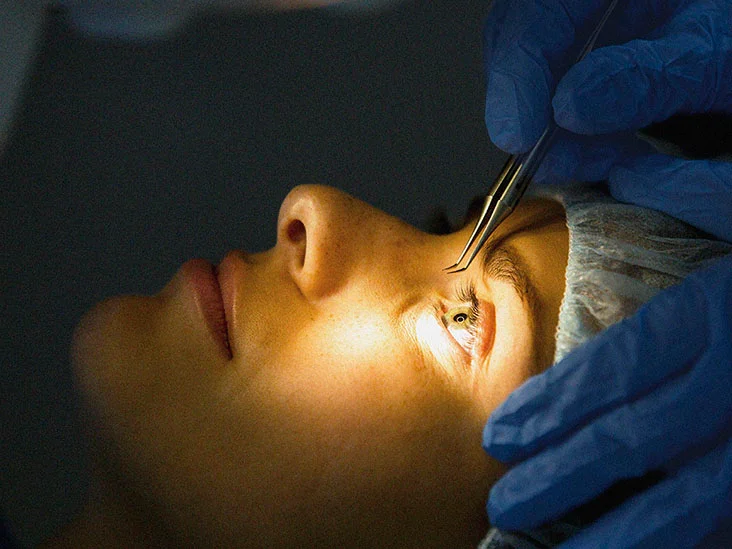
The most common form is a pars plana vitrectomy. Your surgeon makes tiny incisions in the sclera — the white of the eye — through a region called the pars plana, just behind the coloured part of your eye. Through these openings, the vitreous gel is carefully removed and the retina is repaired: scar tissue may be peeled away, tears sealed, and detachments reattached.
The eye is then filled with saline, a gas bubble or silicone oil to hold everything in place while it heals, and the incisions are closed. Many surgeons now use micro-incision systems (23-, 25- or 27-gauge instruments) so fine that stitches often aren't needed, which tends to mean a gentler, faster recovery. It's usually done under local or general anaesthesia depending on your case.
What about the other retinal treatments?
Vitrectomy isn't the only way to treat a retinal problem, and part of good care is using the right tool for the job — sometimes on its own, sometimes alongside vitrectomy.
Briefly, your surgeon might also use laser photocoagulation to seal a small tear before it becomes a detachment; pneumatic retinopexy, where a gas bubble is injected to float the retina back into place in certain detachments; or a scleral buckle, a soft silicone band placed around the eye to relieve the pulling on the retina.
For diabetic eye disease, anti-VEGF injections are often used to control swelling and abnormal blood vessels. Complex cases sometimes call for a combined approach — a scleral buckle together with a vitrectomy, for example. Which of these is right depends entirely on the type, size and location of the problem, and it's something your surgeon decides after examining your eye properly.
Recovery: what to expect
Recovery from a vitrectomy depends a lot on why it was done and what was used to fill the eye. If a gas bubble was placed, you may need to hold a specific head position for a period — sometimes face-down — to keep the bubble pressing gently on the right part of the retina while it heals. You'll also be told not to fly until the gas has absorbed, because changes in air pressure can make the bubble expand dangerously.
Expect eye drops to prevent infection and inflammation, some activity restrictions, and a series of follow-up checks. Vision usually improves gradually rather than overnight, and it's worth being realistic: if the macula had already detached before surgery, sight may not return completely even when the operation is a technical success. That, again, is why acting early on symptoms makes such a difference. One more thing worth knowing — a vitrectomy can speed up the development of a cataract later on, which is common and treatable.
Why is vitrectomy more affordable in Turkey?
It's a fair question, and the answer isn't a catch. Turkish clinics have lower running and staffing costs, favourable exchange rates, and a high volume of international patients, which lets accredited hospitals offer the same modern equipment and experienced vitreoretinal surgeons at a fraction of Western prices — often without the long private waiting lists people face at home.
The savings come from economics, not from cutting corners on your eye. As with anywhere, the sensible approach is to look at the surgeon's experience, the hospital's accreditation and technology, and the aftercare — not the price tag alone.
A note on safety and expectations
Vitrectomy is a routine procedure for a specialised vitreoretinal surgeon, but it's still surgery, and honesty matters here. Vision improvement isn't guaranteed in every case — it depends heavily on how much damage the retina had before the operation. There are risks, as with any eye surgery, including cataract formation, further bleeding, or the need for a second procedure such as silicone oil removal.
A good clinic will talk you through all of this openly, set realistic expectations for your specific eye, and make sure you understand the aftercare. That's the standard we think you should hold any provider to, wherever you have it done.
Frequently asked questions
How much does a vitrectomy cost in Turkey?
Usually between $2,300 and $6,000 depending on complexity, compared with around $9,800 in the US or €9,000–€14,000 privately in the UK and Europe — a saving of roughly 60–80%. Complex cases involving the macula can be higher.
What conditions does a vitrectomy treat?
Retinal detachment, macular hole, diabetic retinopathy (vitreous haemorrhage or scar tissue), epiretinal membrane, vitreous haemorrhage, and severe floaters that don't settle. Your surgeon confirms whether it's the right option for you.
Is vitrectomy safe?
It's a routine procedure for experienced vitreoretinal surgeons, with high success rates (generally 85–95% for common conditions). As with any surgery there are risks — such as cataract formation or the need for a further procedure — which your surgeon should discuss openly.
Why do I have to keep my head in a certain position after surgery?
If a gas bubble was used, positioning (sometimes face-down) keeps the bubble pressing on the right part of the retina while it heals. Your surgeon tells you exactly what's needed and for how long.
When can I fly after a vitrectomy?
Not until any gas bubble in the eye has fully absorbed — air-pressure changes can make it expand dangerously. Your surgeon will confirm when it's safe, which is why planning your stay matters.
Will my vision fully recover?
Vision usually improves gradually, but it depends on the condition and how much retinal damage occurred before surgery. If the macula had detached beforehand, sight may not return completely even after successful surgery — acting early gives the best chance.
How long should I stay in Turkey?
It depends on your case and whether gas was used (which affects flying). We'll advise on the right length of stay for your specific surgery when we review your reports.
The Last Word from The More Clinics
A vitrectomy is serious eye surgery, and choosing where to have it deserves care — but cost shouldn't be the reason you go without, or wait months in pain and worry. Turkey offers experienced vitreoretinal surgeons and modern technology at a fraction of Western prices, and we're glad to help you understand your options honestly.
Send us your diagnosis and reports, and we'll give you a clear assessment and quote, with no pressure and no overselling. And if you're still not sure whether your symptoms need urgent attention, please don't wait — get your eyes checked wherever you are.
Free Assessment → WhatsApp Us →
Related: Retinal detachment symptoms · Meet Op. Dr. Halil İbrahim Kaya
Medical disclaimer: This page is for general information only and is not a substitute for a personal ophthalmic consultation. Suitability, technique and pricing are determined only after individual assessment by a qualified eye surgeon. All surgery carries risks, and visual outcomes vary depending on the underlying condition. If you have sudden vision symptoms, seek urgent eye care immediately.

Written by The More Editorial Team and Medically Reviewed by Op. Dr. Halil İbrahim Kaya, Ophthalmologist. See our Editorial Process.