Retinal Detachment Symptoms: Warning Signs You Must Not Ignore
Talk to our team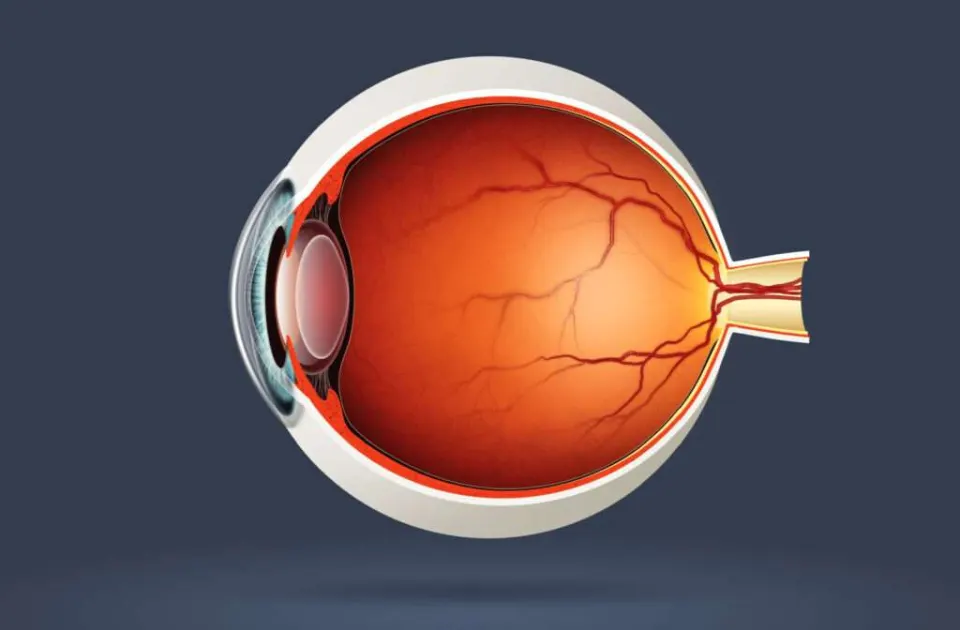
In this article 8 sections
If you suddenly notice flashes of light, a shower of new floaters, or a dark curtain or shadow over your vision, see an eye doctor or go to an emergency department immediately. Retinal detachment is painless — the absence of pain does not mean your eye is safe. Fast treatment can save your sight; delay can cause permanent vision loss.
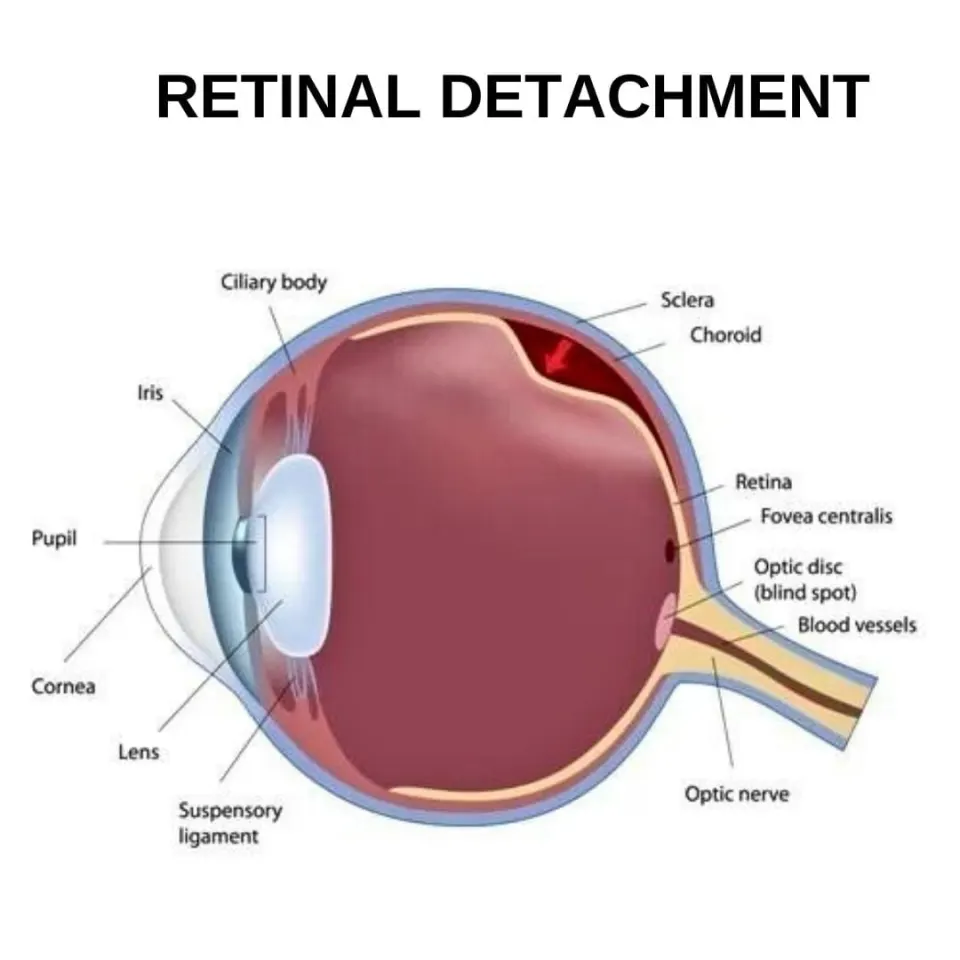
Retinal detachment happens when the retina — the light-sensitive layer at the back of your eye — pulls away from its normal position. It's a serious, time-critical condition, but the good news is that when caught early, treatment is usually very successful. The key is recognising the warning signs and acting fast. This guide explains the symptoms of retinal detachment, why it's an emergency, what causes it, and the treatments available, including vitrectomy.
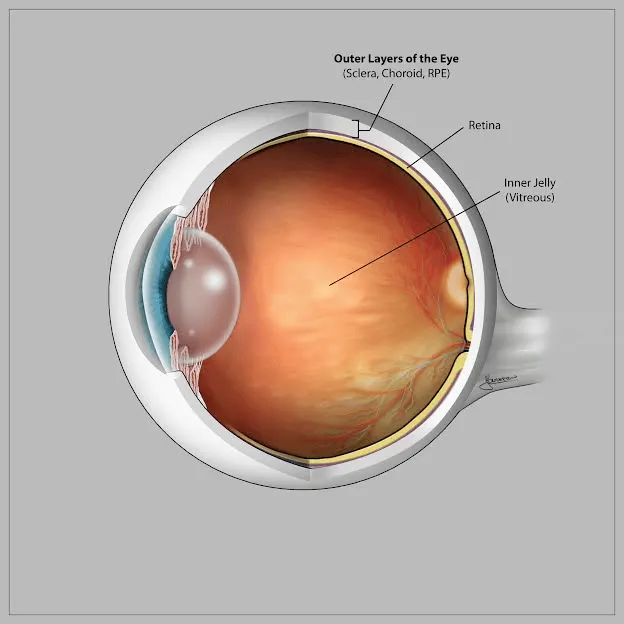
The main warning signs are: sudden flashes of light, a sudden increase in floaters (spots or squiggly lines drifting across your vision), blurred vision, and a dark "curtain" or shadow spreading across your field of vision. These need urgent eye care — the same day.
The warning signs in detail
- Sudden flashes of light (photopsia): brief bursts, sparks or streaks, often at the edge of your vision — caused by the vitreous gel tugging on the retina.
- A sudden increase in floaters: a "shower" or burst of new dark spots, specks or cobweb-like strands drifting across your vision.
- A dark curtain or shadow: a shadow spreading across part of your field of vision, as if a curtain is being drawn — a particularly serious sign.
- Blurred or reduced vision: sudden blurriness or difficulty focusing.
Important: Retinal detachment is painless, and if only a small part of the retina has detached, you may not notice symptoms at first. This is why any sudden flashes, new floaters or a shadow should be checked urgently — don't wait to see if they improve. The combination of new floaters, flashes and a shadow is especially concerning.
When is it an emergency?
Treat it as an emergency — seek eye care or go to the emergency room the same day — if you experience a sudden shower of floaters, persistent flashes, a curtain-like shadow over your vision, any sudden vision loss, or symptoms after an eye injury.
Early treatment dramatically improves the chances of protecting your sight. If a retinal tear is caught before it becomes a full detachment, a simple laser or freezing treatment may seal it and prevent detachment altogether — which is exactly why prompt evaluation matters so much.
What causes retinal detachment?
The most common trigger is posterior vitreous detachment (PVD) — a normal age-related process where the vitreous gel inside the eye shrinks and pulls away from the retina, sometimes tearing it. Risk is higher if you have:
- Severe short-sightedness (myopia)
- A previous eye surgery (such as cataract surgery)
- A past eye injury or trauma
- Diabetic eye disease (diabetic retinopathy)
- A previous retinal detachment in the other eye
- Increasing age
If you're in a higher-risk group, regular eye examinations are important even when your vision seems fine.
How it's diagnosed
Retinal detachment is diagnosed with a dilated retinal examination, where the eye doctor uses drops to widen your pupil and examine the retina in detail. If the retina can't be seen clearly (for example due to bleeding), an eye ultrasound may be used. Prompt, detailed examination is essential to determine the type, size and location of any tear or detachment.
Treatment options
| Treatment | What it's for |
|---|---|
| Laser / cryotherapy (freezing) | Sealing a retinal tear caught early, before detachment |
| Pneumatic retinopexy | A gas bubble injected to reattach certain detachments, with laser/freezing |
| Scleral buckle | A soft band around the eye reduces pulling and supports reattachment |
| Vitrectomy | Removes the vitreous gel pulling on the retina; gas, air or silicone oil holds the retina in place while it heals |
The right treatment depends on the type, size and location of the detachment, the number of tears, and whether the central retina (macula) is involved — sometimes more than one technique is used. Vitrectomy (specifically pars plana vitrectomy) is a common and effective surgery for retinal detachment: the surgeon removes the vitreous gel, repairs the tears, and uses a gas bubble or silicone oil to hold the retina flat while it heals.
Considering treatment? Our eye surgery services include vitrectomy for retinal detachment and other retinal conditions, performed by experienced ophthalmologists such as Op. Dr. Halil İbrahim Kaya. But first and foremost: if you have sudden symptoms, seek urgent eye care wherever you are — retinal detachment is time-critical.
Recovery and outlook
Surgery for retinal detachment is usually successful, but recovery varies depending on the type of detachment, whether the macula was involved, and the treatment performed. After surgery you may need specific positioning (sometimes keeping your head still or face-down), activity restrictions, eye drops, and several follow-up visits.
If a gas bubble is used, you'll be told when it's safe to fly, sleep flat or return to work. Vision often improves gradually — but if the macula detached before treatment, vision may not return fully even when the surgery is anatomically successful. This is the single most important reason to act fast on symptoms.
Retinal Detachment — Frequently Asked Questions
What are the first signs of retinal detachment?
Sudden flashes of light, a sudden increase in floaters, blurred vision, and a dark curtain or shadow spreading across your vision. These need urgent, same-day eye care.
Is retinal detachment painful?
No — it's painless. The absence of pain does not mean your eye is safe. This is why sudden visual symptoms must be taken seriously even without pain.
Is retinal detachment an emergency?
Yes. Seek eye care or go to the emergency room the same day. Early treatment protects your sight; delay can cause permanent vision loss, especially if the central retina (macula) detaches.
What causes retinal detachment?
Most commonly, age-related posterior vitreous detachment (PVD) that tears the retina. Risk factors include severe short-sightedness, previous eye surgery, eye injury, diabetic eye disease, and a past detachment in the other eye.
How is retinal detachment treated?
Depending on severity: laser or freezing for an early tear; and for detachment, pneumatic retinopexy, scleral buckle, or vitrectomy (or a combination). Your ophthalmologist chooses based on your specific case.
What is a vitrectomy?
A vitrectomy removes the vitreous gel pulling on the retina, repairs tears, and uses a gas bubble or silicone oil to hold the retina in place while it heals. It's a common, effective surgery for retinal detachment.
Can retinal detachment be prevented?
Not fully, but you can lower your risk with regular eye exams (especially if higher-risk), protecting your eyes from trauma, and getting urgent care for any sudden flashes, floaters or shadows.
The Last Word from The More Clinics
Retinal detachment is serious, but it's also very treatable when caught early — which makes recognising the warning signs potentially sight-saving. If you notice sudden flashes, a shower of floaters, or a shadow over your vision, don't wait: seek urgent eye care, wherever you are. For those needing treatment, modern surgery such as vitrectomy is highly effective, and our experienced eye team is here to help and answer your questions.
Vitrectomy Surgery → WhatsApp Us →
Related: Vitrectomy surgery · Meet Op. Dr. Halil İbrahim Kaya
Medical disclaimer & urgent warning: This article is for general information only and is not a substitute for professional medical care. Retinal detachment is a medical emergency. If you experience sudden flashes, floaters, a shadow or curtain over your vision, or any sudden vision loss, seek urgent care from an eye doctor or emergency department immediately — do not wait.
SOURCES:
Cleveland Clinic
National Eye Institute (NIH)
VisionCenter
HOW THE MORE CLINICS KEEP THE CONTENT UP TO DATE:
Our dedicated medical and editorial teams work tirelessly to stay informed about the ever-evolving world of health news. By rigorously tracking the latest research, clinical guidelines, and significant developments across various medical fields, they ensure that our content remains accurate, relevant, and up-to-date.
This includes reviewing peer-reviewed studies, consulting with healthcare professionals, and monitoring advancements in medical technology. Their meticulous efforts and attention to detail allow us to provide you with trustworthy, reliable information that you can depend on to make informed decisions about your health and well-being.
However, we still insist on getting a healthcare professional's opinion before you make any decision about your health. Consulting with a qualified expert ensures that the choices you make are informed, safe, and tailored to your individual needs.
Last Updated: [31 August 2026]
Written by The More Editorial Team and Medically Reviewed by Op. Dr. Halil İbrahim Kaya, Ophthalmologist. See our Editorial Process.
This article provides general information and does not replace an individual medical assessment, diagnosis or treatment advice. Discuss decisions about your health and treatment with your treating clinician.