Sinus Lift Surgery in Turkey: Cost, Procedure & Recovery
Talk to our team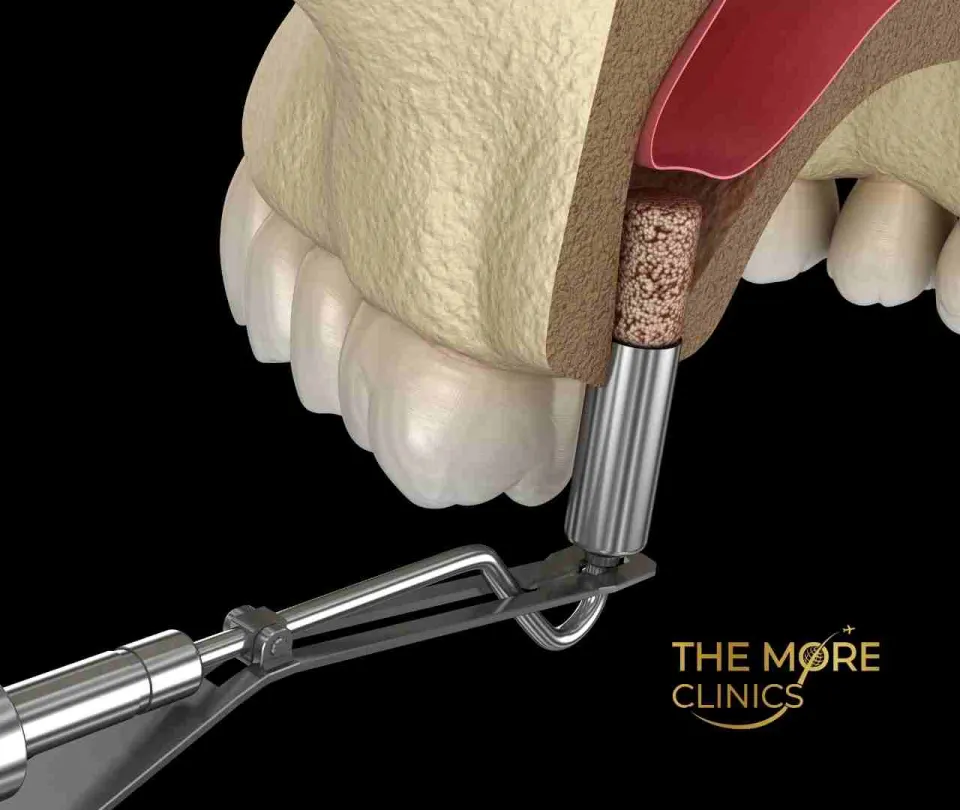
In this article 10 sections
If you've been told you don't have enough bone for dental implants in your upper jaw, a sinus lift is usually the solution. It's a bone-grafting procedure that rebuilds the bone height needed to place implants securely — and in Turkey, it's performed by experienced oral surgeons at 66–85% below UK and US prices, often as part of an all-inclusive implant package.
This guide explains what a sinus lift is, the two main techniques, the procedure and recovery, and exactly what it costs in Turkey compared with home.
| 🇹🇷 Turkey (crestal, per side) | $400–$900 |
| 🇹🇷 Turkey (lateral/open) | $1,500–$2,500 |
| 🇬🇧🇺🇸 UK / USA | $3,000–$6,000 |
Savings of 66–85%. Often bundled into an all-inclusive dental implant package.
What is a sinus lift, and why is it needed?
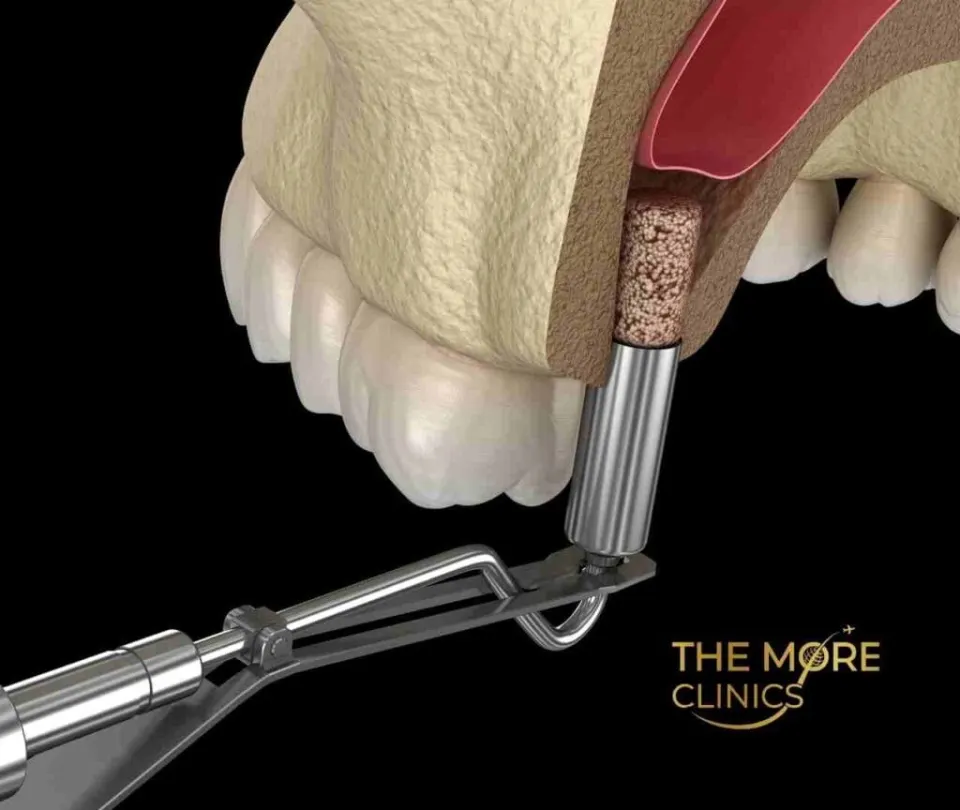
A sinus lift — clinically called sinus augmentation or sinus floor elevation — is a surgical procedure that adds bone to the upper jaw in the area behind your upper back teeth (the premolars and molars). It works by gently lifting the floor of the maxillary sinus upward and packing bone graft material into the space created beneath it. Over a few months, this graft turns into solid new bone.
Why is it needed? When you lose an upper back tooth, the jawbone there gradually shrinks, and the sinus cavity above expands down into the space — often leaving a layer of bone too thin to hold a dental implant. Without enough bone, an implant can't integrate properly and may fail. A sinus lift rebuilds that bone, creating a solid, stable foundation so implants can be placed successfully. It's one of the most common preparatory procedures for implants in the upper jaw.
The two techniques: lateral & crestal
| Lateral (open) sinus lift | Crestal (closed) sinus lift | |
|---|---|---|
| Access | Through a small window in the side of the jawbone | Through the implant site itself |
| Used when | Significant bone needed (height under ~4–5mm) | Only a small amount of augmentation needed |
| Invasiveness | More invasive, larger graft volume | Less invasive |
| Implant timing | Usually staged — implants placed after healing (4–9 months) | Implants sometimes placed the same day |
The lateral (open) technique is used when you need significant bone augmentation — the surgeon creates a small window in the side of the jaw to lift the sinus membrane and pack in the graft.
The crestal (closed) technique is less invasive, accessed through the implant site, and used when only a small lift is needed, sometimes allowing the implant to be placed at the same time. Your surgeon decides which is right based on your 3D scan and how much bone you need. Various graft materials can be used — synthetic, bovine, or your own bone.
The procedure
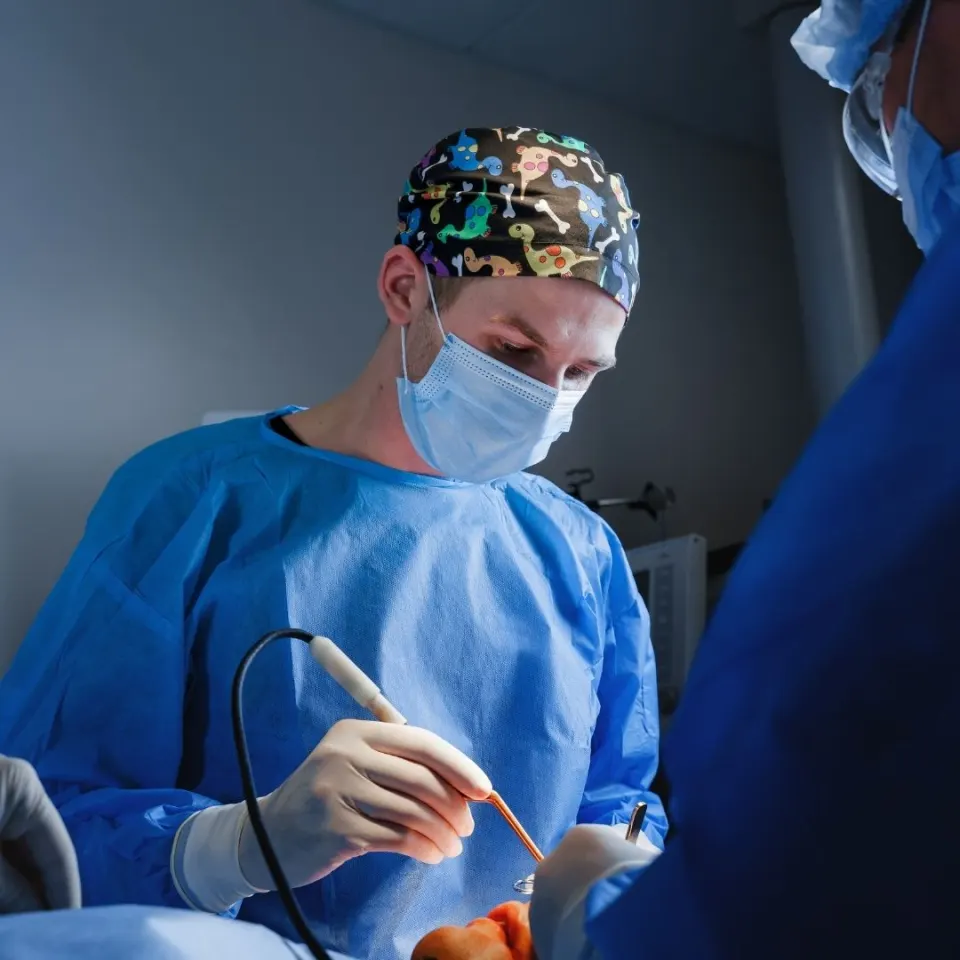
A sinus lift is performed under local anaesthetic (sometimes with sedation) and typically takes 60–90 minutes. After imaging with a 3D CT scan, the surgeon accesses the sinus using the chosen technique, gently lifts the delicate sinus membrane, places the bone graft material in the space beneath, and closes the site.
The graft then needs time to integrate and turn into solid bone — usually 4–9 months — before implants are placed (unless a same-day crestal approach is used). Success rates at accredited clinics are high, typically 85–98%.
Recovery & aftercare
- Don't blow your nose — pressure inside the sinus can disturb the membrane and graft. This is the most important rule in the early weeks.
- Sneeze with your mouth open if you need to, to avoid sinus pressure.
- Expect some swelling, mild bruising and soreness; most patients report little discomfort after the first week.
- Eat soft foods and follow your surgeon's oral-care and medication instructions.
- Flying home: most patients are comfortable flying 2–3 days after the procedure; cabin pressure doesn't usually affect healing, but always confirm with your surgeon before booking.
- A follow-up 3D scan later confirms the bone has fully consolidated before implants are placed.
Cost in Turkey vs UK & USA
Cost is one of the main reasons international patients choose Turkey for a sinus lift — especially since it's often combined with implants, making the total saving substantial:
| Where / type | Typical sinus lift cost |
|---|---|
| 🇹🇷 Turkey — crestal (per side) | $400–$900 |
| 🇹🇷 Turkey — lateral/open | $1,500–$2,500 |
| 🇺🇸 USA (lateral) | ~$5,800 |
| 🇬🇧🇺🇸 UK / USA (general) | $3,000–$6,000 |
In Turkey, a sinus lift typically costs $400–$900 per side for the crestal technique and $1,500–$2,500 for the more involved lateral approach — compared with $3,000–$6,000 in the UK or US (a lateral sinus lift alone averages around $5,800 in the US). That's a saving of roughly 66–85%.
To put it in real terms: a UK patient needing an open sinus lift plus two implants might pay £4,000–£6,000 at home, versus £1,500–£2,500 for an equivalent all-inclusive package in Antalya (with hotel, transfers and 3D scan) — savings of £2,000–£4,000 are common even after flights. Combining a sinus lift with implants adds around 30–50% to the implant cost, but the bundled price is still far below Western rates. Always get a written, itemised quote after a 3D assessment.
Why have a sinus lift in Turkey?
Turkey is a world leader in dental care, and sinus augmentation is a routine part of its implant expertise. Beyond the 66–85% cost saving, patients choose Turkey for experienced oral and maxillofacial surgeons (many performing very high volumes), Ministry of Health-accredited clinics, modern 3D imaging and surgical technology, and convenient all-inclusive packages covering treatment, hotel and transfers.
Major hubs include Istanbul, Antalya, Izmir and Ankara. Crucially, because a sinus lift is almost always a step toward implants, having both done in coordinated care — often in the same clinic — makes for a smoother, more cost-effective journey.
Sinus lift & dental implants: how they fit together
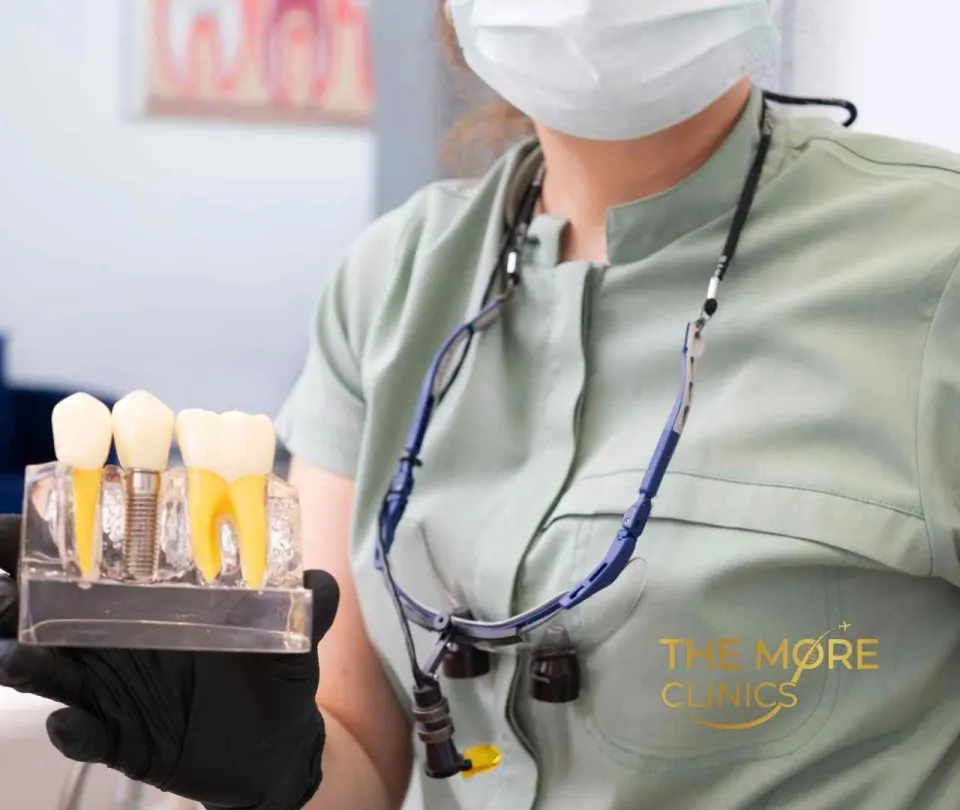
A sinus lift is rarely done for its own sake — it's the foundation for dental implants in the upper jaw. Once the graft has healed and turned into solid bone, implants are placed into the augmented area, and treatment follows the standard implant timeline from there.
For patients needing full-arch restoration, a sinus lift may be part of the plan for solutions like implant-supported bridges. If you've been told you lack the bone for implants, a sinus lift is very often what makes them possible — so it's best understood as the first step of your implant journey, not a separate procedure.
Are you a candidate?
You may need a sinus lift if you've been missing upper back teeth for a long time, have insufficient bone height in the posterior upper jaw, or have lost bone due to gum disease or long-term denture use — and you want dental implants. Good candidates are in reasonable general and oral health and are non-smokers or willing to stop, since smoking impairs bone healing. A 3D scan is the only way to confirm whether you need one and which technique suits you.
Sinus Lift Turkey — Frequently Asked Questions
How much does a sinus lift cost in Turkey?
Typically $400–$900 per side for the crestal technique and $1,500–$2,500 for the lateral (open) technique — versus $3,000–$6,000 in the UK/US, a saving of 66–85%. It's often bundled with implants in an all-inclusive package.
What's the difference between lateral and crestal sinus lift?
Lateral (open) accesses the sinus through a window in the side of the jaw for significant bone augmentation; crestal (closed) works through the implant site for smaller lifts and is less invasive, sometimes allowing same-day implants. Your 3D scan determines which you need.
Is a sinus lift painful?
No — it's done under local anaesthetic and takes 60–90 minutes. Afterwards there's usually only mild swelling and soreness, with most patients reporting little discomfort after the first week.
How long before I can have implants?
With the lateral technique, usually 4–9 months while the graft integrates into solid bone. With the crestal technique for smaller lifts, implants can sometimes be placed the same day.
Why can't I blow my nose after a sinus lift?
Blowing your nose creates sinus pressure that can disturb the membrane and graft. Avoid it in the early weeks, and sneeze with your mouth open if needed. Your surgeon will tell you when it's safe.
Can I fly home after a sinus lift?
Most patients fly comfortably 2–3 days afterwards; cabin pressure doesn't usually affect healing, but always confirm with your surgeon before booking your return flight.
Is a sinus lift in Turkey safe?
Yes, when performed by a qualified oral and maxillofacial surgeon in an accredited clinic — success rates are 85–98%, in line with global benchmarks. Verify accreditation and the surgeon's credentials, and don't choose on price alone.
The Last Word from The More Clinics
A sinus lift is the procedure that makes dental implants possible when the upper jaw lacks bone — and it's a routine, high-success step in experienced hands. Turkey offers it with skilled oral surgeons and modern technology at 66–85% below UK and US prices, usually as part of a coordinated implant plan. If you've been told you need a sinus lift, send us your scan and we'll give you an honest assessment and a clear, itemised quote for the whole journey — no pressure.
Related: Dental implants · All-on-4 implants · Zygoma Implants
Medical disclaimer: This page is for general information only. Prices are indicative 2026 ranges and vary by clinic, technique, graft material and individual case. Suitability, technique and firm pricing are determined only after individual assessment (including a 3D scan) by a qualified oral surgeon. All surgery carries risks; results vary by individual.
SOURCES:
Maxillary Sinus Lift Procedures: An Overview of Current Techniques, Presurgical Evaluation, and Complications, Pubmed
Sinus Lift Procedures: Indications, Techniques, and Best Practices, ADI
HOW THE MORE CLINICS KEEP THE CONTENT UP TO DATE:
Our dedicated medical and editorial teams work tirelessly to stay informed about the ever-evolving world of health news. By rigorously tracking the latest research, clinical guidelines, and significant developments across various medical fields, they ensure that our content remains accurate, relevant, and up-to-date.
This includes reviewing peer-reviewed studies, consulting with healthcare professionals, and monitoring advancements in medical technology. Their meticulous efforts and attention to detail allow us to provide you with trustworthy, reliable information that you can depend on to make informed decisions about your health and well-being.
However, we still insist on getting a healthcare professional's opinion before you make any decision about your health. Consulting with a qualified expert ensures that the choices you make are informed, safe, and tailored to your individual needs.
Last Updated: [1 September 2026]
Written by The More Editorial Team and Medically Reviewed by Dr. Onur Ademhan, specialist in Oral and Maxillofacial Surgery. See our Editorial Process.
This article provides general information and does not replace an individual medical assessment, diagnosis or treatment advice. Discuss decisions about your health and treatment with your treating clinician.