Crown Lengthening: Procedure, Cost in Turkey & Complete Guide
Talk to our team
In this article 11 sections
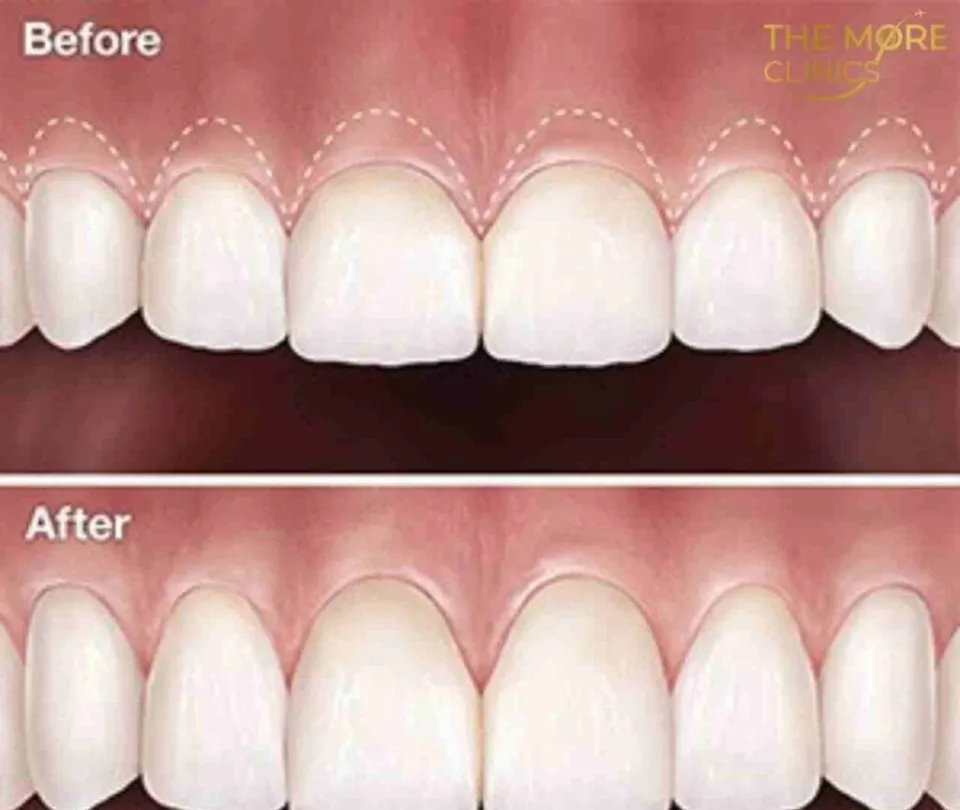
Crown lengthening is a common dental procedure that reshapes the gum tissue (and sometimes a little bone) around a tooth to expose more of its surface. It's used for two very different reasons: to make room for a filling, crown or bridge on a damaged tooth, and to improve the look of a "gummy" smile.
Whichever applies to you, this complete guide explains exactly what crown lengthening involves, the different techniques, what recovery is like, and what it costs — including why so many patients have it done in Turkey for 60–90% less than in the UK or USA.
Quick summary: Crown lengthening exposes more of a tooth by reshaping gum (and sometimes bone). There are two types — functional (to restore a damaged tooth or fit a crown) and esthetic (to fix a gummy smile). It's a quick procedure under local anaesthetic, done by a periodontist. In Turkey it typically costs around $200–$250 per tooth, a fraction of UK/US prices — often as part of an all-inclusive dental package.
What is crown lengthening?
Crown lengthening is a dental procedure that removes or reshapes excess gum tissue — and, when needed, a small amount of the underlying bone — to expose more of the natural tooth.
The name can be a little misleading: it doesn't lengthen the tooth itself, but rather reveals more of the tooth that's already there by adjusting the gum line around it. It's usually performed by a periodontist (a gum specialist) or an oral surgeon, under local anaesthetic, and is a well-established, routine procedure in modern dentistry.
The two types: functional & esthetic
Understanding which type you need is the key to understanding the whole procedure:
| Functional crown lengthening | Esthetic crown lengthening | |
|---|---|---|
| Purpose | Restorative — exposes more tooth to fit a crown, bridge or filling | Cosmetic — improves a "gummy" smile |
| When it's used | Tooth broken or decayed below the gum line, or too little tooth for a secure restoration | Excess gum tissue making teeth look short or uneven |
| Goal | A stable, long-lasting restoration | A balanced, more confident smile |
Functional crown lengthening is about health and restoration: when a tooth is broken or decayed near or below the gum line, exposing more of it gives your dentist a secure surface to attach a crown or bridge, improving how well and how long the restoration lasts. Esthetic crown lengthening is about appearance: it corrects a gummy smile by removing excess gum tissue to reveal more of each tooth, creating a more balanced gum-to-tooth ratio.
Why it's done: the benefits
- Aesthetic improvement: corrects "gummy" smiles where excess gum covers the teeth, for a more balanced, appealing smile.
- Restorative function: exposes more tooth surface so crowns and bridges can be placed securely and last longer.
- Better oral health: removing excess gum tissue can make teeth easier to clean, reducing the risk of decay and gum disease.
- Damage repair: exposes tooth structure damaged below the gum line so it can be treated and saved.
The procedure & techniques
Crown lengthening is quick — usually 30–90 minutes — and done under local anaesthetic, so pain is controlled during the procedure. There are a few techniques your dentist may use depending on your case:
- Surgical crown lengthening: the gum is gently lifted (a flap), excess gum and — if needed — a small amount of bone is reshaped, and the gum is secured with fine sutures. This is used when bone needs recontouring for a lasting result.
- Laser gingivectomy: a dental laser reshapes the gum line with minimal bleeding and faster healing — often ideal for esthetic cases involving gum tissue only.
- Flapless technique: in suitable cases, the gum is corrected without incisions or sutures, sometimes as a same-day treatment.
A key technical point — "biologic width": A good result depends on respecting the natural space the gum needs around a tooth (the biologic width). If a dentist simply lasers away gum tissue without accounting for the bone level underneath, the gum can grow back and the result won't last. That's why a proper examination — including checking the bone level around each tooth — matters, and why crown lengthening is best done by an experienced periodontist rather than as a quick cosmetic shortcut.
Recovery & aftercare
Recovery from crown lengthening is generally straightforward:
- First few hours: use an ice pack intermittently (around 20 minutes on, 20 minutes off) to manage swelling.
- First 24 hours: avoid hot food and don't rinse your mouth, to prevent prolonged bleeding; stick to soft, cool foods.
- First week: eat soft foods, keep the area clean gently as instructed; sutures are usually removed after about a week.
- Full healing: the gum settles over a few weeks. If you're having a crown or bridge fitted afterwards, your dentist will usually wait several weeks (often around 6–8) for the gum to fully stabilise first.
Results are visible fairly quickly, but the final gum contour — especially for esthetic cases — takes a little time to fully settle. Following your dentist's aftercare closely gives the best result.
Cost in Turkey vs UK & USA
This is where many international patients start paying attention. Crown lengthening (and gum surgery generally) is dramatically more affordable in Turkey:
| Where | Typical crown lengthening cost | Notes |
|---|---|---|
| 🇹🇷 Turkey | ~$200–$250 per tooth | Gum surgery from ~$100–$600; often all-inclusive |
| 🇬🇧 UK | Several times higher | Private periodontal surgery is costly |
| 🇺🇸 USA | Substantially higher | Among the highest globally |
In Turkey, crown lengthening typically costs around $200–$250 per tooth, though the exact price depends on the complexity — whether bone needs reshaping, how many teeth are involved, and the technique used. Broader gum surgery packages start from around $100–$600, and esthetic gum work is frequently bundled with veneers or crowns for a complete smile makeover.
Compared with the UK and USA — where periodontal surgery is expensive — patients typically save 60–90%, even after accounting for travel. As always, the exact figure comes after an assessment, and you should ask for a written, itemised quote.
Why have crown lengthening in Turkey?
Turkey has become a popular destination for dental care, and crown lengthening is no exception. Beyond the 60–90% cost saving, patients choose Turkey for its experienced periodontists and dentists, JCI-accredited clinics using modern technology (3D planning and dental lasers for precise, comfortable treatment), and convenient all-inclusive packages that bundle treatment with hotel and transfers.
Cities like Istanbul and Antalya are the main hubs, and for gum procedures a stay of around 5–7 days is usually recommended to allow initial healing and a follow-up visit. Crown lengthening also pairs naturally with other smile treatments — many patients combine it with veneers, crowns or a full smile makeover in a single trip.
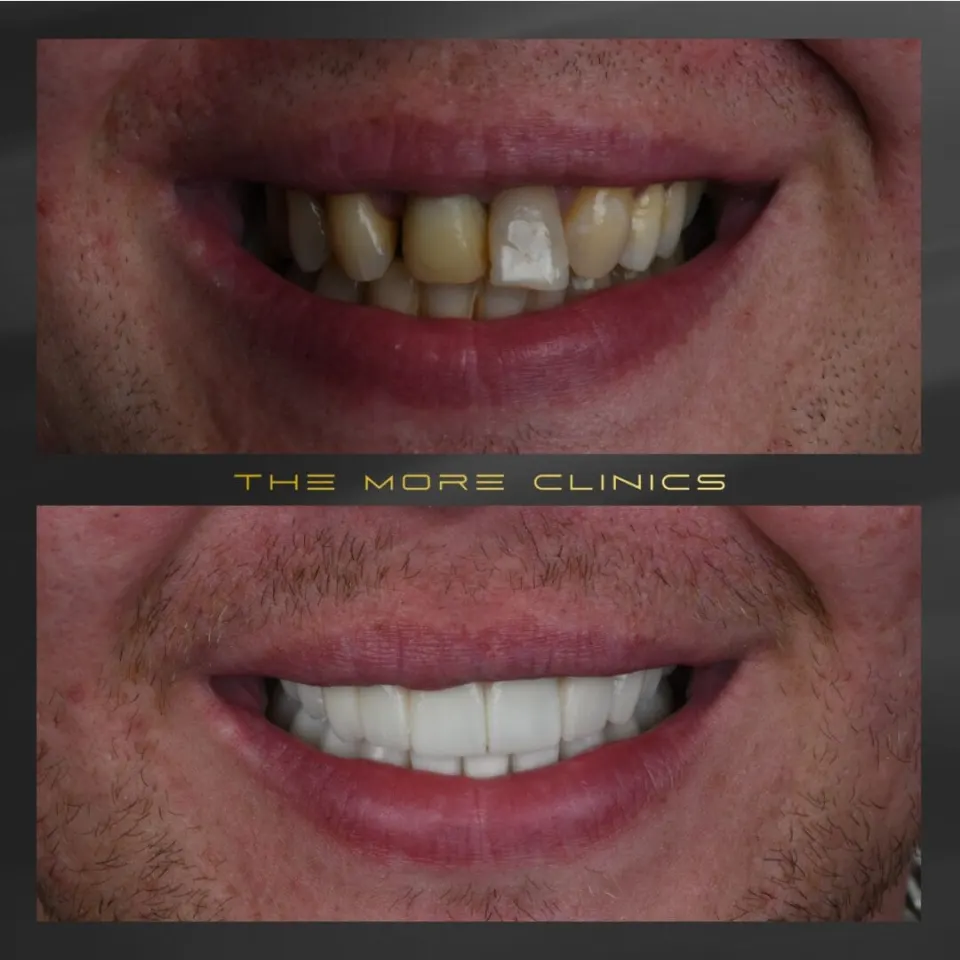
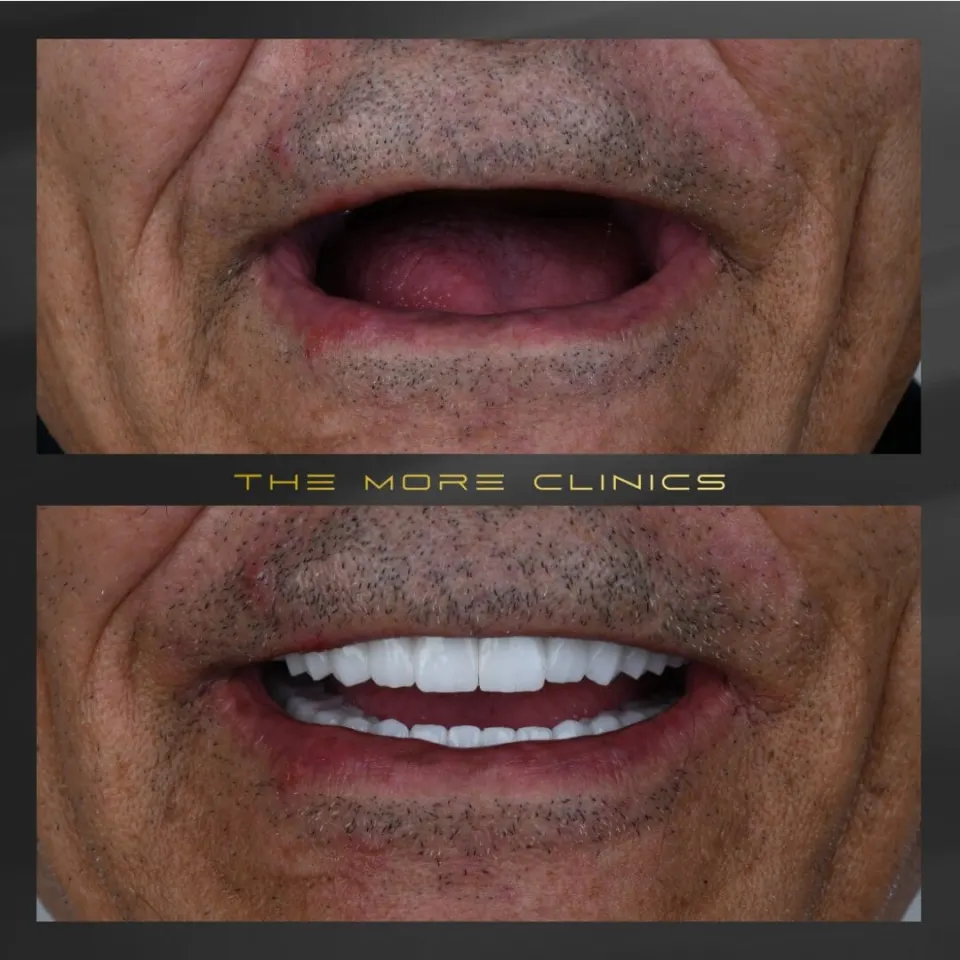
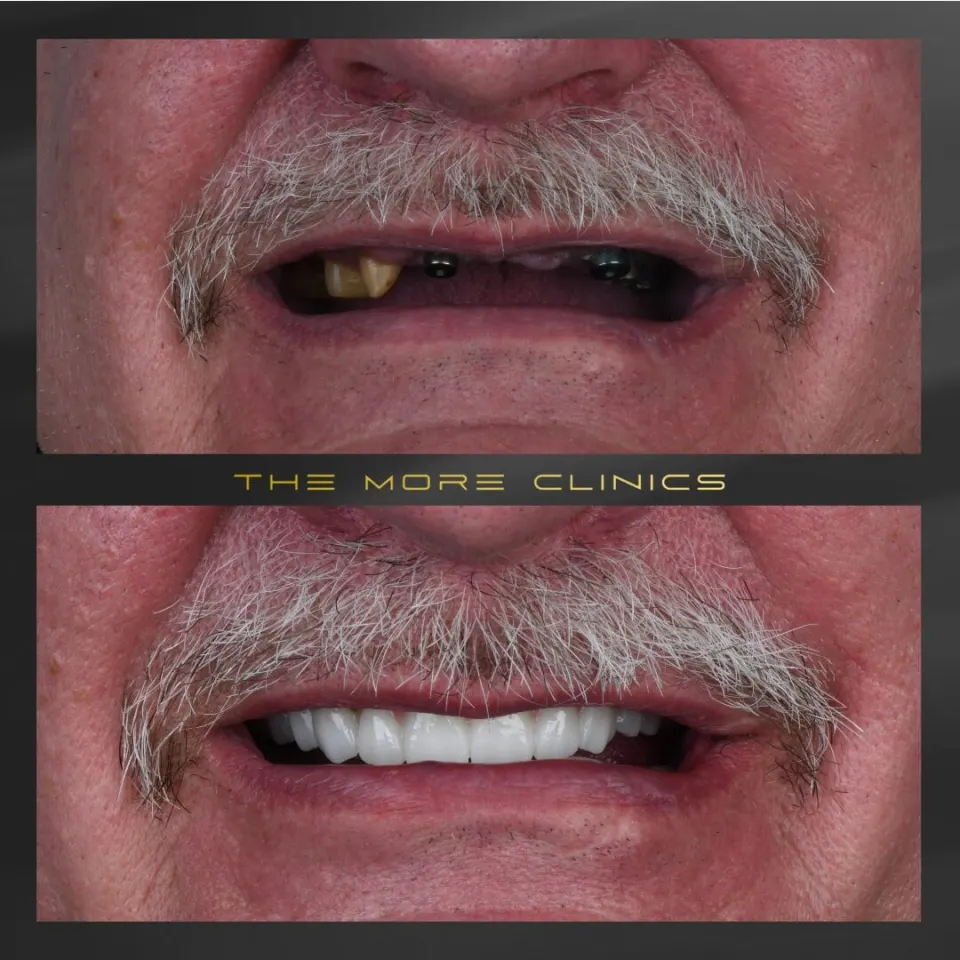
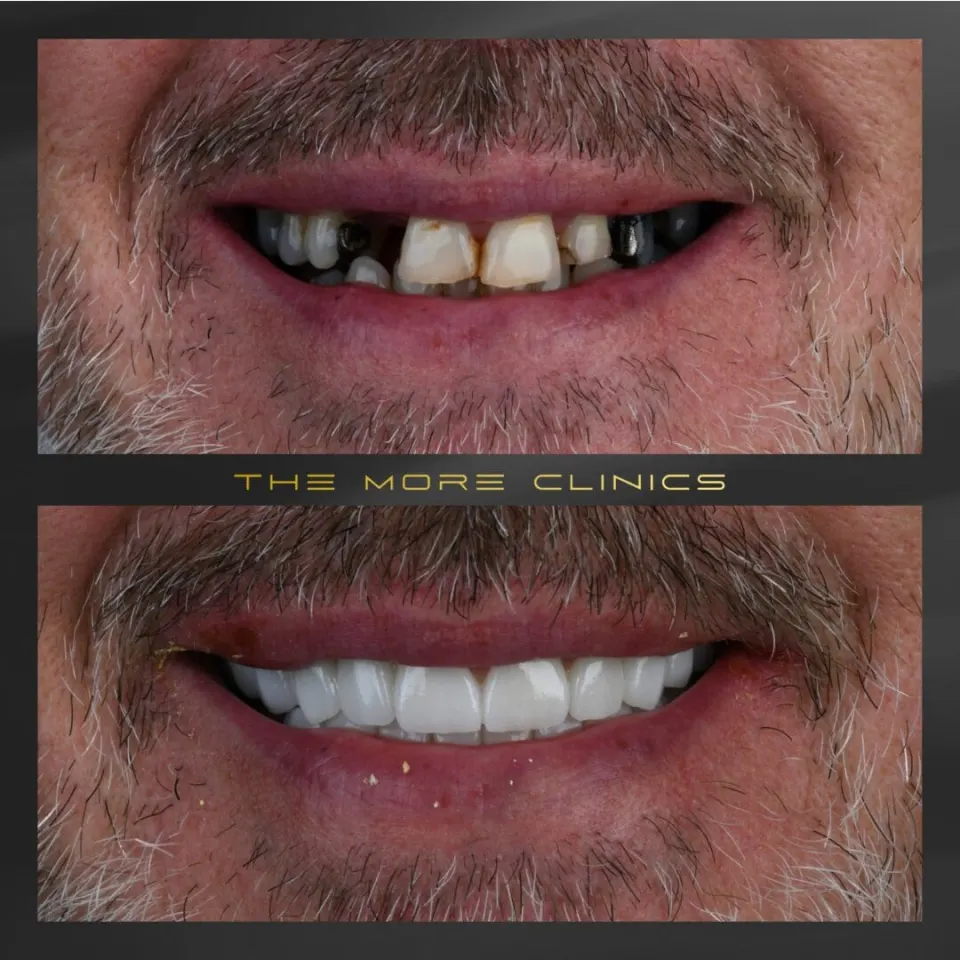
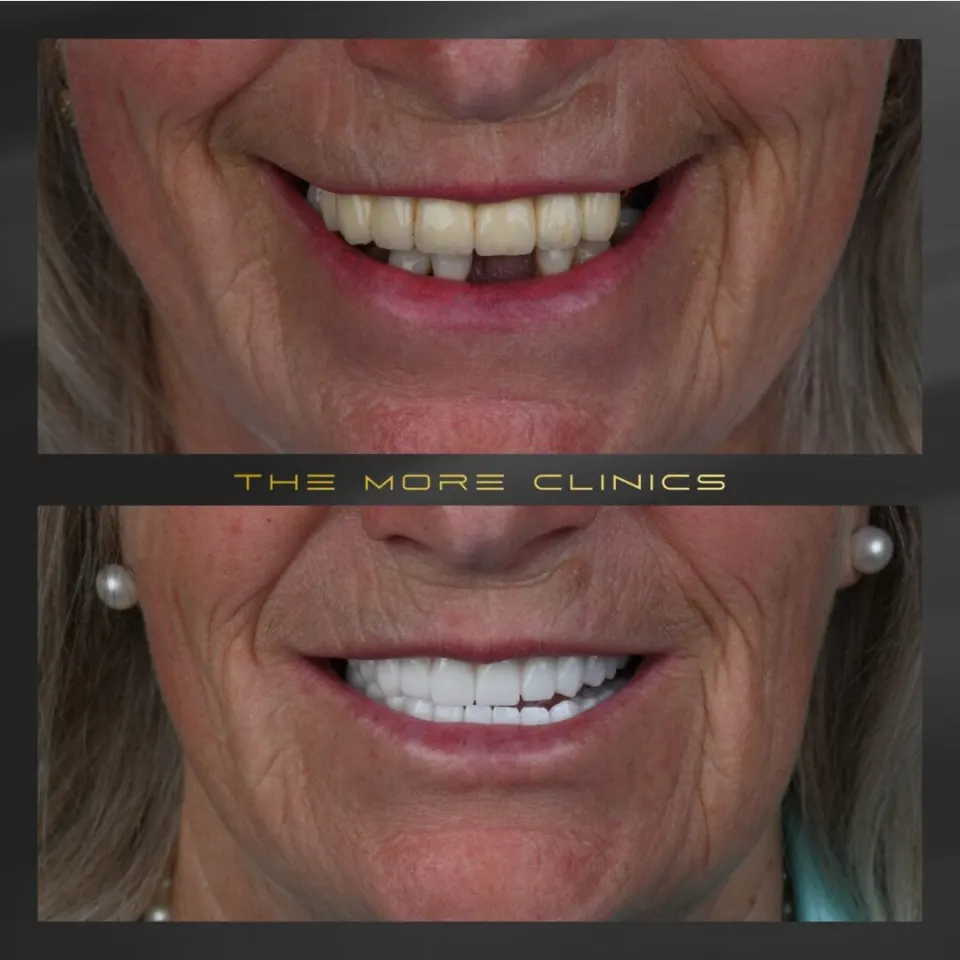
Crown Lengthening Before and After
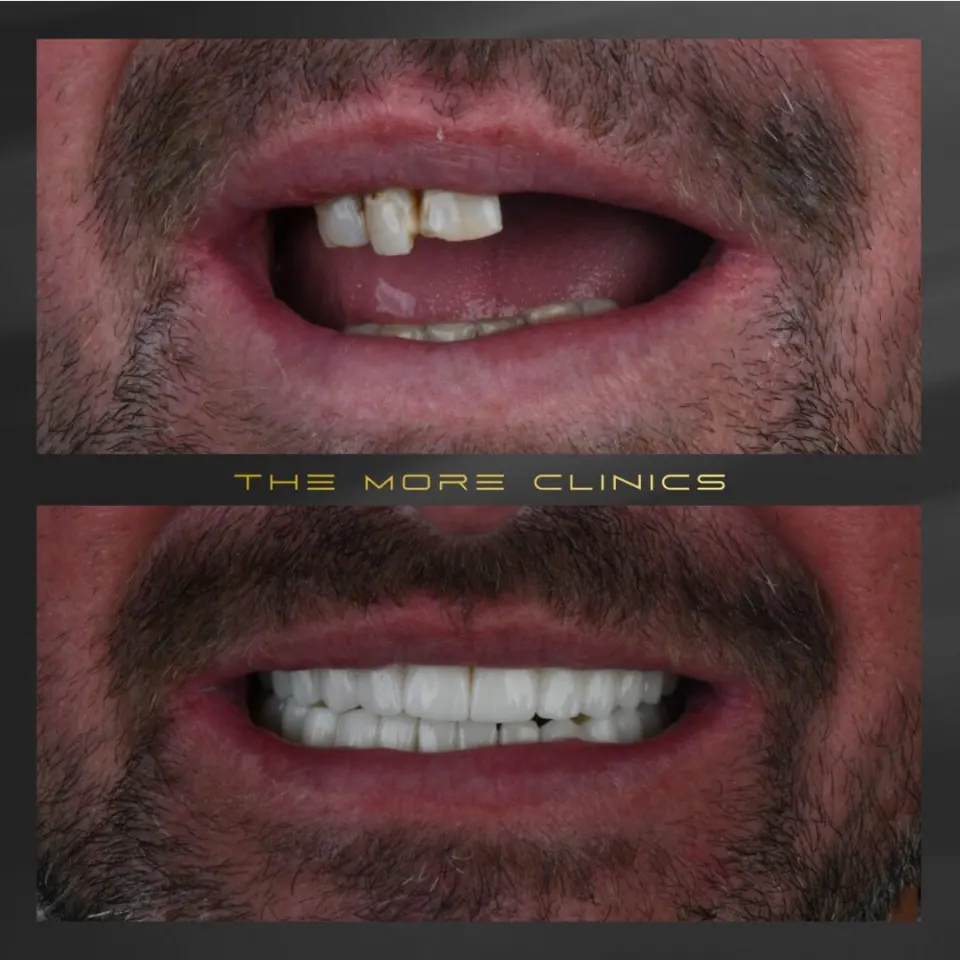
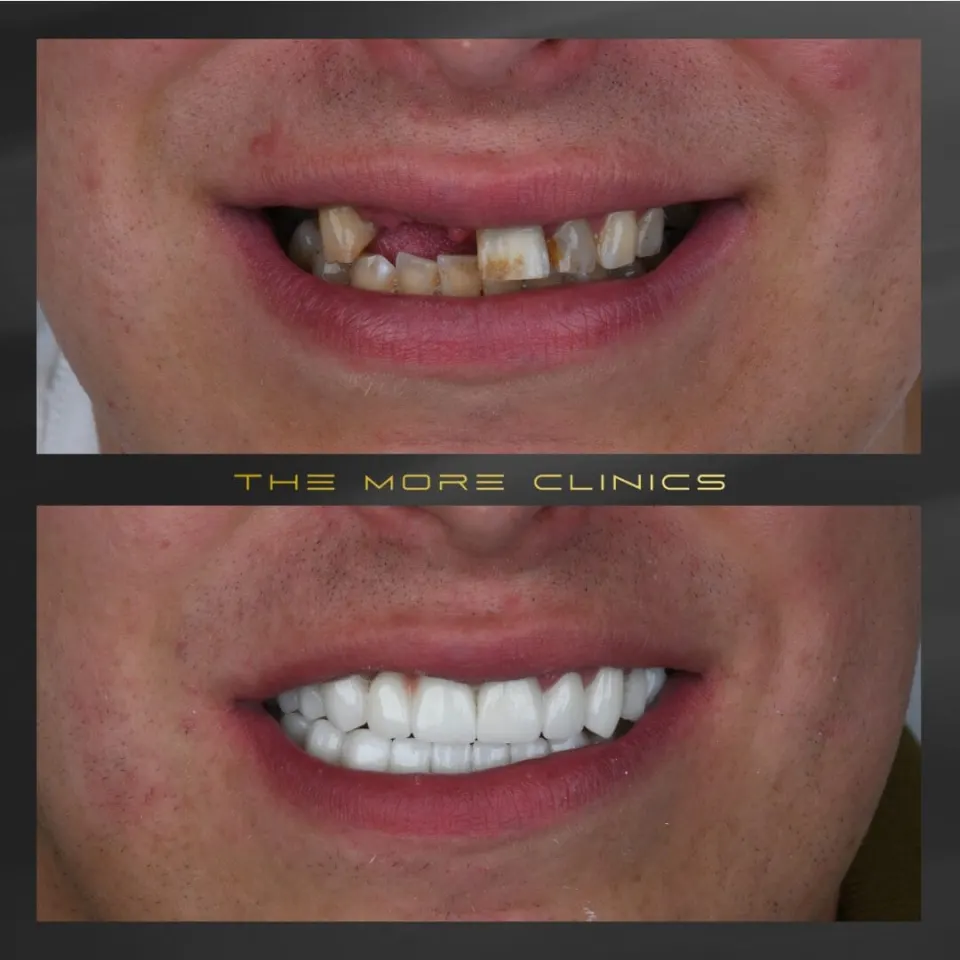
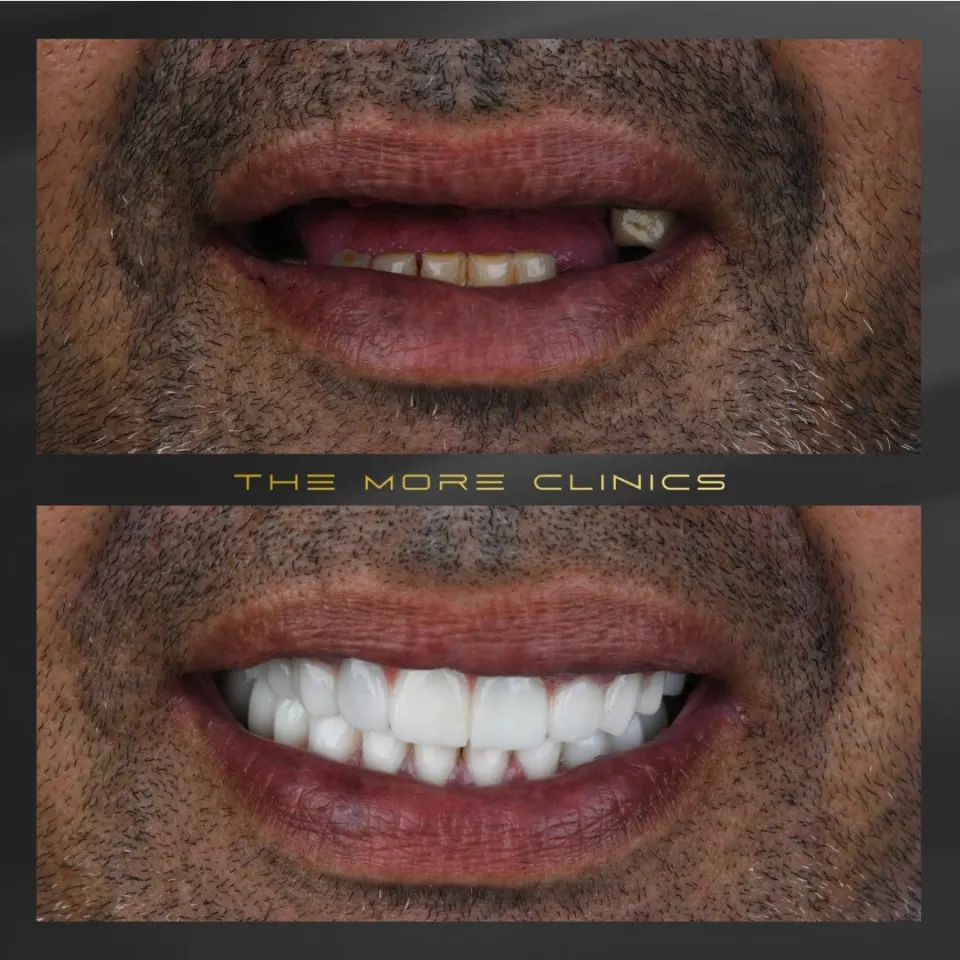
The Crown Lengthening before and after can be significant. Patients who previously felt self-conscious due to a "gummy" smile often find renewed confidence in their appearance. It's important to remember that while the results may be noticeable immediately after the procedure, the final outcome will not be fully visible until the area has completely healed, which can take several weeks to a few months.
Before and After Gallery
Are you a candidate?
You may be a candidate for crown lengthening if you have a tooth broken or decayed near the gum line that needs a crown or bridge (functional), or a gummy smile caused by excess gum tissue (esthetic).
Good candidates are generally in good oral health, free from active gum disease, and — importantly — non-smokers or willing to stop, since smoking impairs gum healing. A periodontist assessment, including checking the bone level around your teeth, determines whether it's right for you and which technique suits your case.
Crown Lengthening — Frequently Asked Questions
How much does crown lengthening cost in Turkey?
Typically around $200–$250 per tooth, with broader gum surgery from $100–$600 and often all-inclusive packages — a saving of roughly 60–90% versus the UK or USA. The exact price depends on complexity and whether bone reshaping is needed.
What's the difference between functional and esthetic crown lengthening?
Functional exposes more tooth to fit a crown, bridge or filling on a damaged tooth; esthetic corrects a gummy smile by removing excess gum tissue. The procedure is similar; the goal differs.
Is crown lengthening painful?
No — it's done under local anaesthetic, so pain is controlled during the procedure (30–90 minutes). Afterwards there may be mild swelling and tenderness, managed with ice and soft foods.
How long is recovery?
The gum settles over a few weeks; sutures come out after about a week. If a crown or bridge is being fitted afterwards, dentists usually wait several weeks (often 6–8) for the gum to stabilise first.
Will the gum grow back?
Not if the procedure is done correctly, respecting the natural "biologic width" and reshaping bone where needed. If gum is simply removed without accounting for the bone level, it can regrow — which is why an experienced periodontist matters.
Can crown lengthening fix my gummy smile permanently?
Yes, esthetic crown lengthening gives long-lasting results with good oral hygiene, when the underlying cause is excess gum tissue. If the cause is a hyperactive upper lip, a different treatment (like lip repositioning) may be needed — an assessment clarifies this.
How long do I stay in Turkey?
Usually around 5–7 days for gum procedures, to allow initial healing and a follow-up visit before flying home.
The Last Word from The More Clinics
Crown lengthening is a versatile, well-established procedure — whether you need it to restore a damaged tooth or to transform a gummy smile. The keys to a great result are the right technique for your case, an experienced periodontist who respects the biologic width, and good aftercare.
Turkey offers all of this at 60–90% below UK and US prices, often alongside other smile treatments in a single trip. If you'd like an honest assessment of whether crown lengthening is right for you, and a clear quote, we're happy to help — no pressure.
Related: Hollywood smile makeover · Veneers · Dental clinic Antalya · What is "Turkey teeth"?
Medical disclaimer: This page is for general information only. Prices are indicative 2026 ranges and vary by clinic, complexity and individual case. Suitability, technique and firm pricing are determined only after individual assessment by a qualified dentist or periodontist. All procedures carry some risk; results vary by individual.
SOURCES:
Clinical Considerations for Crown Lengthening: A Comprehensive Review, PUBMED
What options are available to clinicians for crown-lengthening surgery, European Federation of Periodontology
HOW THE MORE CLINICS KEEP THE CONTENT UP TO DATE:
Our dedicated medical and editorial teams work tirelessly to stay informed about the ever-evolving world of health news. By rigorously tracking the latest research, clinical guidelines, and significant developments across various medical fields, they ensure that our content remains accurate, relevant, and up-to-date.
This includes reviewing peer-reviewed studies, consulting with healthcare professionals, and monitoring advancements in medical technology. Their meticulous efforts and attention to detail allow us to provide you with trustworthy, reliable information that you can depend on to make informed decisions about your health and well-being.
However, we still insist on getting a healthcare professional's opinion before you make any decision about your health. Consulting with a qualified expert ensures that the choices you make are informed, safe, and tailored to your individual needs.
Last Updated: [1 September 2026]
Written by The More Editorial Team and Medically Reviewed by Dr. Onur Ademhan, specialist in Oral and Maxillofacial Surgery. See our Editorial Process.
This article provides general information and does not replace an individual medical assessment, diagnosis or treatment advice. Discuss decisions about your health and treatment with your treating clinician.