Crooked Teeth and How to Treat Them
Talk to our team
In this article 22 sections
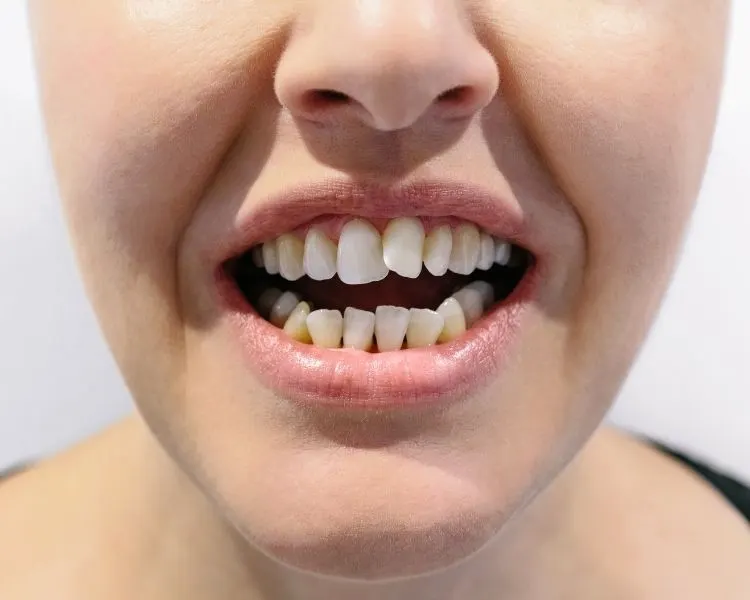
Crooked teeth — also called misaligned, wonky, lopsided or irregular teeth — are one of the most common dental concerns worldwide. They affect both children and adults, range from mildly uneven to severely crowded, and have real consequences beyond appearance: cleaning difficulty, gum disease, bite problems and jaw strain. The good news is that every degree of crookedness has a solution — the right treatment depends on the cause, the severity, and what you want to achieve.
| Can crooked teeth be fixed in adults? | Yes — braces, aligners, veneers or crowns |
| Fastest fix for crooked front teeth | Veneers or crowns — 5–7 days in Turkey |
| Do crooked teeth fix themselves? | No — intervention always required |
| Braces vs veneers for crooked teeth | Braces: move teeth. Veneers: mask appearance. |
| Best treatment for very crooked teeth | Braces or clear aligners — repositions tooth |
| Cost of fixing crooked teeth in Turkey | Veneers from $150/tooth all-inclusive |
What causes crooked teeth?
Crookedness in teeth — whether in children or adults — comes from a predictable set of causes. Most are inherited; some are behavioural; a few are the result of injury or neglect.
Genetics and jaw size
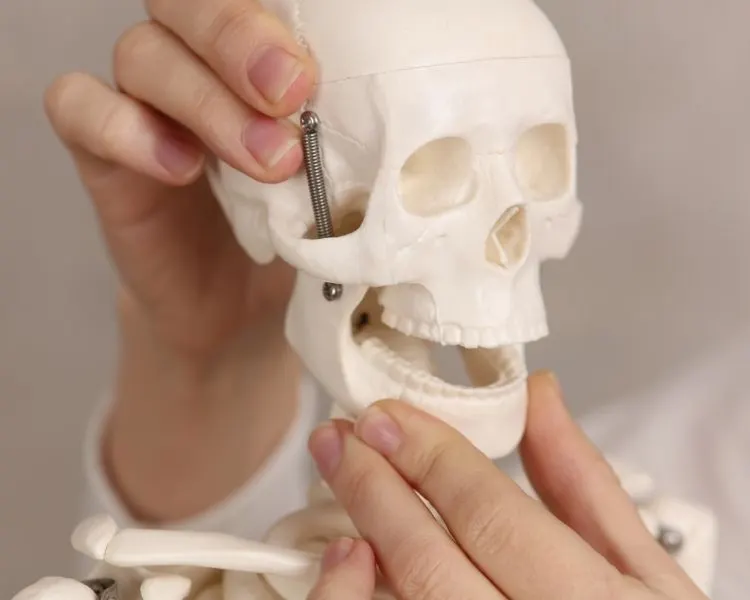
The most common cause. If your parents had crowded or misaligned teeth, there is a high likelihood you will too. The jaw size you inherit directly determines how much room teeth have to erupt. Smaller jaws — increasingly common as modern diets require less heavy chewing than our ancestors — produce less space, leading to crowded, overlapping or rotated teeth. You may also inherit an overbite or underbite from your parents, both of which result in misaligned front teeth.
Malocclusion — misaligned jaw
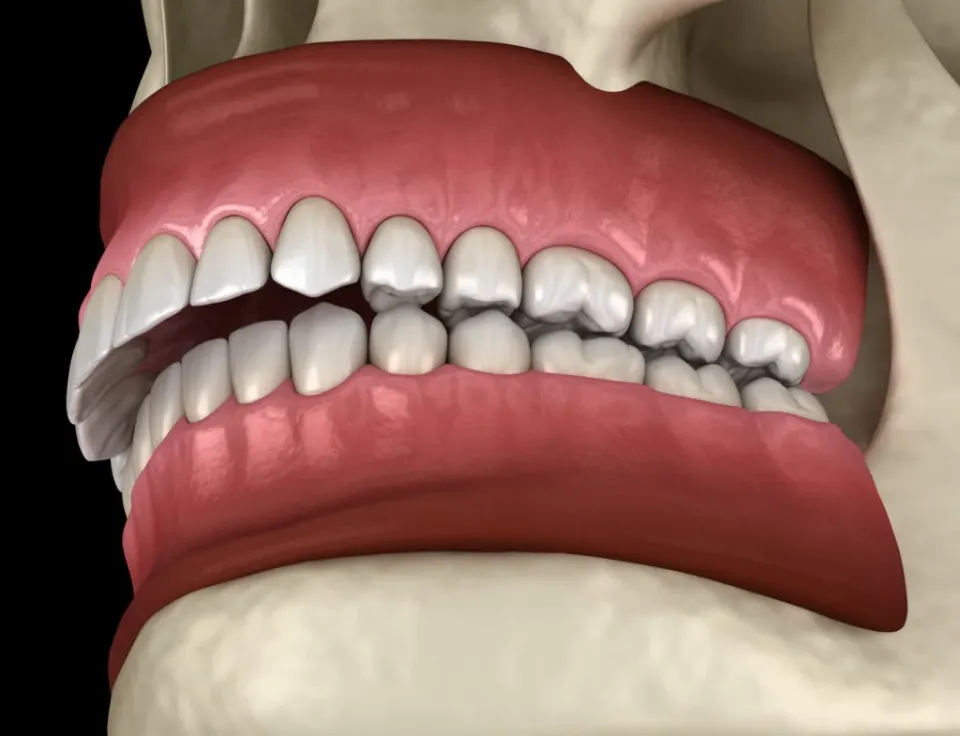
Malocclusion describes the way upper and lower teeth meet when the mouth closes. Ideally the upper teeth sit just over the lower teeth. When they don't:
| Type | What it looks like | Fix |
|---|---|---|
| Overbite | Upper front teeth protrude significantly beyond lower | Braces, aligners, jaw surgery in severe cases |
| Underbite | Lower front teeth extend past upper front teeth | Braces, aligners, jaw surgery in severe cases |
| Crossbite | Some upper teeth sit inside lower teeth when biting | Braces, expanders |
| Open bite | Upper and lower front teeth don't meet when closed | Braces, habit correction |
Related Post: Can braces or invisalign fix bad bite?
Childhood habits
Prolonged thumb sucking, pacifier use beyond age 3, tongue thrusting, and mouth breathing during formative years can alter the shape of the palate and jaw, creating misalignment as permanent teeth erupt. Early identification and habit correction significantly reduce the risk of severe crookedness.
Early tooth loss
When a baby tooth is lost early — through decay or trauma — the adjacent teeth drift into the gap. The permanent tooth that eventually erupts finds insufficient space and erupts crooked, rotated, or overlapping. This is one of the most preventable causes of crooked teeth in children.
Poor dental care
Untreated cavities, gum disease, and bone loss shift existing teeth over time. Teeth without adequate bone support become mobile and drift from their original positions, creating misalignment that worsens progressively without intervention.
Facial injury
A direct blow to the face or jaw can displace one or more teeth immediately, or alter jaw structure in a way that causes subsequent misalignment as healing occurs. Sports injuries and car accidents are the most common causes.
Types of crooked teeth — identifying your situation
| Type | What it looks like | Common cause | Best fix |
|---|---|---|---|
| Crooked front teeth | Overlapping or rotated upper/lower incisors | Crowding, genetics | Aligners, veneers, crowns |
| Misaligned front teeth | Front teeth not aligned with each other or midline | Jaw size, early tooth loss | Braces, aligners |
| Crooked molars | Back teeth tilted, rotated or impacted | Wisdom teeth, crowding | Braces, extraction if impacted |
| Slanted / lopsided tooth | Single tooth angled relative to neighbours | Early tooth loss, drift | Crown, veneer, aligner |
| Very crooked / severely crowded | Multiple overlapping teeth, no clear alignment | Genetics, small jaw | Braces — only reliable fix |
| Wonky / uneven teeth | Teeth varying in height, rotation or angle | Mixed causes | Veneers, crowns, aligners |
Effects of crooked teeth on health
Crooked teeth are not just an aesthetic concern. The structural consequences of misalignment accumulate over years:
- Plaque accumulation in unreachable gaps
- Higher cavity and decay rate
- Gum disease (gingivitis) → periodontitis
- Uneven enamel wear on biting surfaces
- Chipped or fractured teeth under abnormal load
- Tooth loss in severe cases
- Jaw joint strain (TMJ problems)
- Headaches from abnormal bite forces
- Chewing difficulty → digestion issues
- Speech difficulties — lisping, articulation
- Chronic jaw and neck muscle tension
- Self-esteem and confidence impact
Crooked teeth treatment options — all compared
The right treatment depends on two questions: is the goal to move the tooth into correct position, or to change how it looks? These require different approaches.
| Treatment | What it does | Duration | Best for | Turkey cost |
|---|---|---|---|---|
| Porcelain / E-Max Veneers | Thin shell covers front surface — changes shape, angle, colour | 5–7 days | Mildly crooked front teeth, healthy tooth | $150–$350 |
| Zirconia / Full Crown | Full cap over entire tooth — corrects position, shape, alignment | 5–7 days | Damaged, heavily filled, or severely rotated teeth | $150–$300 |
| Traditional Braces | Brackets and wires physically move teeth into correct position | 12–36 months | Moderate to severe misalignment, growing patients | $1,500–$3,000 |
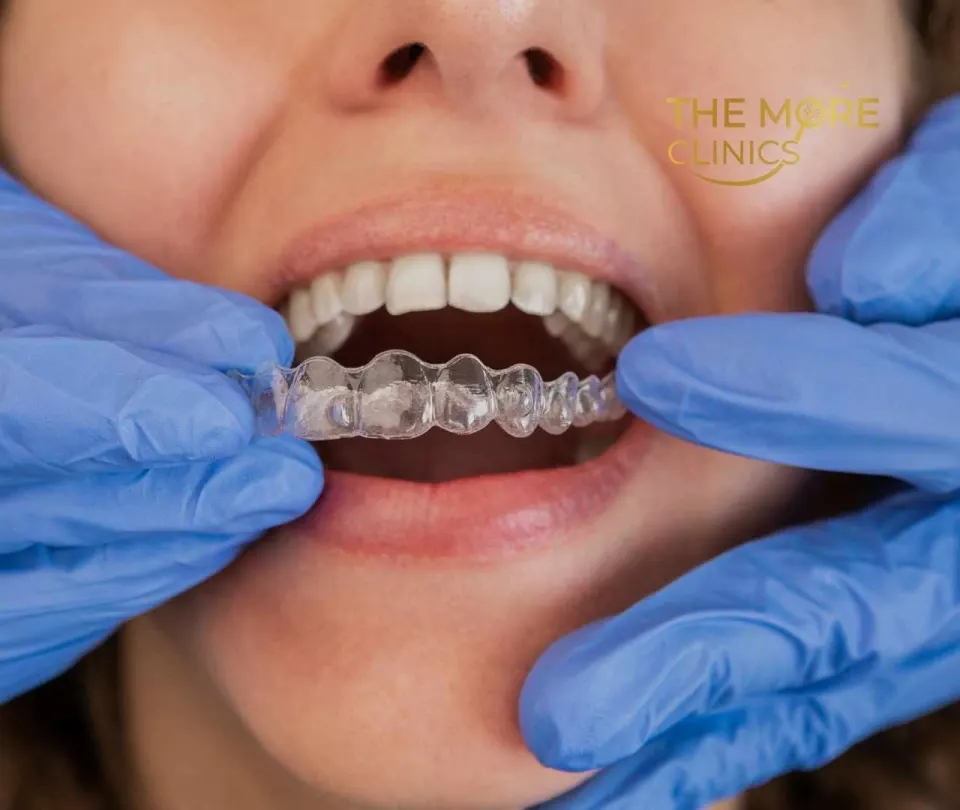
| Clear Aligners (Invisalign) | Removable clear trays gradually shift teeth — less visible | 12–24 months | Mild to moderate crowding, adults who want discretion | $2,000–$4,000 |
| Composite Bonding | Tooth-coloured resin applied to reshape tooth — no lab needed | 1 visit | Minor chips, slight rotation — temporary fix | $80–$200 |
How to fix crooked front teeth — the honest breakdown
Crooked front teeth are the most searched concern — and the treatment depends entirely on the degree of crookedness and the condition of the teeth.
Mildly crooked front teeth (slight rotation or gap)
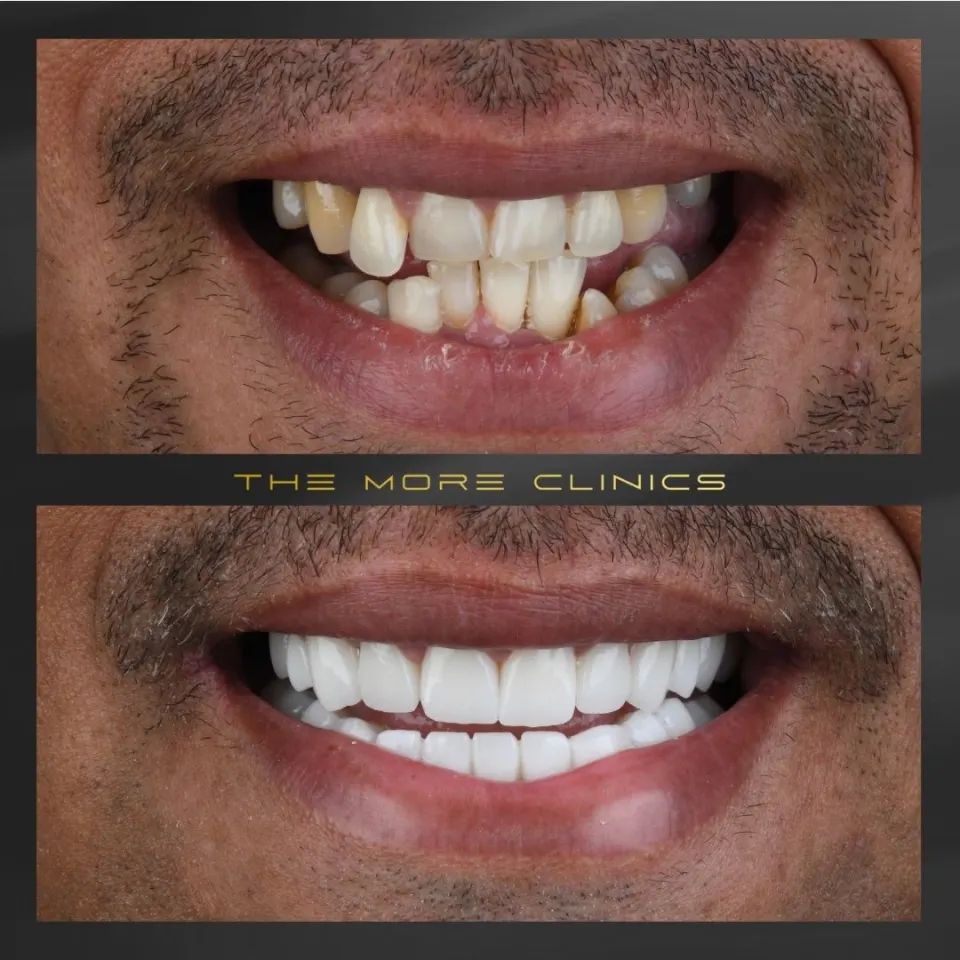
Veneers are the fastest and most popular fix for mildly crooked front teeth. A thin porcelain or E-Max shell is bonded to the front surface of the tooth, permanently changing its visible angle, shape and colour. The tooth itself does not move — its appearance changes. Treatment takes 5–7 days in Turkey. Full veneer guide →
Moderately crooked front teeth (overlap, tilting)
Clear aligners (Invisalign) are the gold standard for moderate cases in adults who want teeth actually repositioned rather than masked. Treatment takes 12–18 months on average. For patients who want the same result faster and don't mind crowns, zirconia crowns can address moderate misalignment in a single trip to Turkey.
Severely crooked front teeth
Traditional braces remain the most reliable treatment for severe crowding, significant rotation, or cases where teeth need to be moved a substantial distance. Braces work where aligners cannot — complex root movements, severe rotations, bite correction simultaneously. Duration: 18–36 months.
Crooked front teeth with existing damage
When front teeth are crooked and also heavily filled, discoloured, chipped or root-canal-treated, full crowns are usually the better choice over veneers — they offer full structural reinforcement alongside the cosmetic correction. Dental Crown Guide →
Crooked molars — what to do
Crooked molars — the back teeth — are less visible but clinically more consequential. They bear most of the biting force, and misaligned molars create uneven load distribution across the jaw, accelerating wear and raising fracture risk.
Most common causes of crooked molars: wisdom teeth erupting against the second molar and pushing it forward; premature loss of a deciduous molar causing adjacent teeth to drift; and severe overall crowding with insufficient arch space.
Treatment for crooked molars: braces (to upright and reposition); extraction of wisdom teeth if they are the cause of the pressure; or crowns where the molar is damaged and needs structural reinforcement alongside cosmetic correction. Veneers are not used on back teeth.
How to fix crooked teeth in adults
Adults have the same treatment options as younger patients — with one important difference: bone density. In adults, bone is denser and less adaptable than in adolescents, which means teeth move more slowly under orthodontic force. This makes treatment longer but not less effective. The most common adult treatments:
| Priority | Best option | Why |
|---|---|---|
| Fast cosmetic result — front teeth only | Veneers or crowns | 5–7 days, no orthodontic time |
| Discreet, true repositioning | Clear aligners | Removable, near-invisible, 12–24 months |
| Severe crowding or bite correction | Traditional braces | Most powerful — handles complex movements |
| Damaged + crooked teeth | Full crowns | Structural + cosmetic in one treatment |
Can crooked teeth be fixed without braces?
Yes — for cosmetic concerns affecting front teeth with mild to moderate misalignment. Veneers, crowns, and composite bonding all correct the appearance of crooked teeth without braces. However, these do not move the underlying tooth. If the crookedness causes a functional problem — bite imbalance, excessive wear, jaw strain — braces or aligners address the root cause; cosmetic treatments address only the surface appearance. For many patients, both are used together: orthodontics first to align, then veneers to perfect the final appearance.
How to prevent crooked teeth
While genetics plays the largest role, several preventable factors contribute significantly:
- Break childhood habits early — thumb sucking and pacifier use beyond age 3 distort palate shape. Address these habits by age 4.
- Preserve baby teeth — treat cavities in baby teeth rather than extracting early. Early loss allows adjacent teeth to drift.
- Regular dental check-ups from age 6–7 — early orthodontic assessment identifies crowding before permanent teeth fully erupt, when intervention is easiest.
- Treat gum disease promptly — bone loss from untreated periodontal disease allows teeth to drift and shift. Gingivitis Guide →
- Replace missing teeth — gaps left by extracted teeth allow adjacent teeth to tip and drift. Missing Teeth Options → | Dental Implants Turkey →
- Address mouth breathing — chronic mouth breathing affects jaw development in children. Underlying causes (enlarged adenoids, allergies) should be treated.
Crooked teeth treatment in Turkey — cost and what to expect
Turkey — particularly Antalya — is a popular destination for cosmetic dental treatment including correction of crooked front teeth. The treatments most commonly sought by international patients are veneers and crowns, which correct the appearance of mild to moderate misalignment in a single visit of 5–7 days.
| Treatment | Turkey (all-incl.) | USA | UK | Saving |
|---|---|---|---|---|
| Porcelain veneer (per tooth) | $150–$350 | $900–$2,500 | £600–£1,200 | 70–85% |
| Zirconia crown (per tooth) | $150–$300 | $1,000–$2,500 | £600–£1,200 | 75–85% |
| Full smile (10 veneers or crowns) | $1,500–$3,000 | $10,000–$25,000 | £6,000–£12,000 | 75–85% |
All-inclusive Turkey packages cover: consultation and X-rays, treatment, temporary restorations, hotel accommodation (5–7 nights), VIP airport and clinic transfers, and 12-month remote follow-up after returning home. For details: Veneers with Missing Teeth → | Zirconia Crowns Turkey →
Frequently asked questions — crooked teeth
Can crooked teeth be fixed without braces?
Yes — for cosmetic corrections to front teeth. Veneers and crowns change the appearance of mildly to moderately crooked teeth without any orthodontic treatment, in 5–7 days. They do not move the underlying tooth — they change how it looks. For severe crowding, bite problems, or cases requiring actual tooth repositioning, braces or clear aligners are necessary.
How to fix crooked front teeth fast?
Veneers or crowns are the fastest treatment for crooked front teeth — a full transformation is completed in 5–7 days in Turkey. The tooth is not moved; instead its visible shape, angle and colour are permanently corrected by a thin porcelain shell (veneer) or full ceramic cap (crown). Braces and aligners take 12–36 months. For patients who want actual tooth movement in the shortest orthodontic time, accelerated clear aligner programmes (such as short-term orthodontics) can treat mild cases in 3–6 months.
Do crooked teeth get worse with age?
Often yes — particularly if caused by bone loss from gum disease, or by wisdom tooth pressure. Even well-aligned teeth can shift over decades as bone and gum tissue change with age. Retainers after orthodontic treatment are specifically designed to prevent this regression. Untreated gum disease significantly accelerates the rate of shifting in adults.
Can very crooked teeth be fixed with veneers?
Mild to moderate cases — yes. Very crooked or severely crowded teeth are poor veneer candidates for two reasons: the amount of tooth reduction required to accommodate the veneer on a severely rotated tooth can compromise root integrity, and the result is less predictable aesthetically. Severely crooked teeth are better treated with braces first, then veneers for the final aesthetic finish. A good dentist will tell you honestly which category your case falls in.
At what age should crooked teeth be treated?
Orthodontic evaluation is recommended at age 6–7, when the first permanent teeth erupt and crowding patterns become visible. Intervention is easiest in the 9–14 age range, when jaw growth can be guided. However, crooked teeth can be treated at any age — many adults successfully complete orthodontic treatment in their 30s, 40s and beyond. There is no upper age limit for braces or clear aligners.
Are wonky or lopsided teeth a health risk?
Wonky or lopsided teeth — where one or a few teeth are noticeably out of alignment — create cleaning challenges that increase the risk of decay and gum disease in the affected areas. They also create uneven bite loads that accelerate enamel wear on specific teeth. The health risk is proportional to severity: a single mildly rotated tooth poses minimal risk with good cleaning; severely crowded teeth that cannot be adequately cleaned are a genuine long-term health concern.
What is the difference between crooked teeth and misaligned teeth?
"Crooked teeth" typically refers to individual teeth that are rotated, overlapping, or tilted relative to their neighbours. "Misaligned teeth" (or malocclusion) refers to how the upper and lower arches meet — overbite, underbite, crossbite. A patient can have perfectly straight teeth with a significant overbite, or crooked teeth with a normal bite. Both conditions are treatable; the distinction matters because the treatments differ.
Can crooked molars cause headaches?
Yes. Crooked molars create uneven occlusal contacts — meaning some teeth bear more biting force than they should. Over time this creates jaw muscle strain and temporomandibular joint (TMJ) dysfunction, which commonly manifests as recurring headaches, jaw soreness on waking, and neck muscle tension. Correcting the bite alignment — through orthodontics or crown adjustment — reliably resolves bite-related headaches in most cases.
My teeth are crooked — where do I start?
Start with a dental assessment that includes X-rays and bite evaluation. The assessment tells you whether your crookedness is primarily aesthetic (correctable with veneers or crowns quickly) or structural (requiring orthodontic repositioning). At The More Clinics, we provide this assessment by WhatsApp — send photographs and we'll tell you what treatment applies to your case before you commit to anything.
The Last Word from The More Clinics
Crooked teeth — whether a single slanted front tooth or a severely crowded full arch — have solutions at every level of severity. The critical first step is an honest assessment that tells you whether you need teeth moved or teeth masked, because confusing those two approaches leads to treatments that don't hold.
At The More Clinics in Antalya, we treat crooked teeth with veneers, crowns, and clear aligners — and we don't recommend crowns on healthy teeth, or veneers on teeth that need orthodontics first. A free WhatsApp consultation with photographs gives you a clear, honest answer on which treatment fits your situation and what it costs.
Get a Free Assessment → WhatsApp Us →
Medical disclaimer: This guide is for informational and educational purposes only. Crooked teeth treatment requires individual clinical assessment. Consult a qualified dentist or orthodontist for evaluation specific to your situation.
SOURCES:
Malocclusion, Cleveland Clinic
What Causes Crooked Teeth and How to Straighten Them, Healthline
Crooked Teeth, Canadian Dental Association
HOW THE MORE CLINICS KEEP THE CONTENT UP TO DATE:
Our dedicated medical and editorial teams work tirelessly to stay informed about the ever-evolving world of health news. By rigorously tracking the latest research, clinical guidelines, and significant developments across various medical fields, they ensure that our content remains accurate, relevant, and up-to-date.
This includes reviewing peer-reviewed studies, consulting with healthcare professionals, and monitoring advancements in medical technology. Their meticulous efforts and attention to detail allow us to provide you with trustworthy, reliable information that you can depend on to make informed decisions about your health and well-being.
However, we still insist on getting a healthcare professional's opinion before you make any decision about your health. Consulting with a qualified expert ensures that the choices you make are informed, safe, and tailored to your individual needs.
Last Updated: [10 August 2026]
Written by The More Editorial Team and Medically Reviewed by Dr. Onur Ademhan, specialist in Oral and Maxillofacial Surgery and Implantology. See Editorial Process.
This article provides general information and does not replace an individual medical assessment, diagnosis or treatment advice. Discuss decisions about your health and treatment with your treating clinician.