Cataract Surgery: Types, IOL Lenses, Recovery, Risks & Cost (2026 Guide)
Talk to our team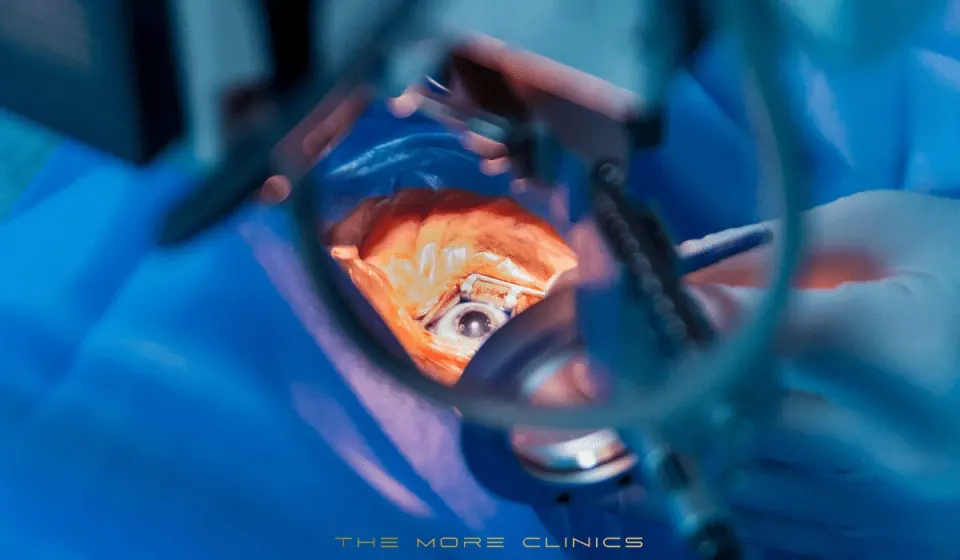
In this article 10 sections
Cataract surgery is one of the most common and successful operations in the world — removing the eye's clouded natural lens and replacing it with a clear artificial one to restore vision. If you're experiencing blurred vision, glare, or difficulty seeing in dim or bright light, this complete guide explains exactly how cataracts are removed, the surgical techniques (phacoemulsification vs laser), the all-important choice of replacement lens (IOL), recovery, risks, outcomes, and cost of cataract surgery in Turkey, UK, USA comparison.
| How are cataracts removed? | → Phacoemulsification (ultrasound), lens replaced with an IOL |
| How long does it take? | → 15–30 minutes per eye, outpatient |
| Recovery | → Vision improves within days; full healing 4–8 weeks |
| Can cataracts be removed for good? | → Yes — they don't grow back |
| Success rate | → Among the highest of any surgery |
Understanding cataracts
Cataracts are a common eye condition where the eye's natural lens becomes cloudy, interfering with vision — and if left untreated, they can eventually cause blindness. They usually develop gradually with age, but diabetes, hypertension, obesity, excessive sun exposure, smoking and heavy alcohol use can all increase the risk. For the full background, see what are cataracts.
The only effective way to remove a cataract is surgery. Glasses and contact lenses can help you cope with early symptoms, but they cannot remove the cataract itself — once it significantly affects your daily life, surgery is the definitive solution.
How cataracts are removed — step by step
Cataract surgery is safe, quick and usually performed on an outpatient basis under local anesthesia (numbing drops), so you go home the same day. Here's what actually happens:
- Tiny incision: a very small incision (around 2–3 mm) is made in the cornea. It's so small it usually seals itself — no stitches needed.
- Opening the capsule: a precise circular opening is made in the front of the lens capsule.
- Breaking up the cataract: an ultrasound probe breaks the cloudy lens into tiny fragments (phacoemulsification).
- Removing the lens: the fragments are gently suctioned out, leaving the capsule in place to hold the new lens.
- Inserting the IOL: a folded artificial intraocular lens (IOL) is inserted through the same tiny incision and positioned into place, where it unfolds.
The whole process usually takes 15–30 minutes per eye, and most patients notice a significant improvement in vision within days.
Surgical techniques: phaco vs laser (FLACS)
| Technique | How it works | Best for |
|---|---|---|
| Phacoemulsification | Ultrasound breaks up and removes the lens through a tiny incision | The gold standard for most cataracts |
| FLACS (femtosecond laser) | A laser performs some steps (incision, capsule opening, pre-fragmenting the cataract) with high precision | Complex or very dense cataracts |
| ECCE / MSICS | Removes the cataract in one piece via a larger incision (may need stitches) | Very dense/hard cataracts where phaco isn't safest |
For most standard cases, conventional phacoemulsification delivers excellent outcomes. FLACS offers the greatest benefit in complex or very dense cataracts where reducing ultrasound energy matters most. Your surgeon recommends the safest approach for your eye.
IOL lens types — the most important decision
Choosing your intraocular lens (IOL) is the single most consequential decision in the whole process — it determines your vision quality and how much you'll rely on glasses afterward. The main types:
| IOL type | What it does | Best for |
|---|---|---|
| Monofocal | Clear vision at one distance (usually far); reading glasses still needed | Reliable standard; night drivers |
| Multifocal / trifocal | Near, intermediate & distance vision; reduces glasses dependence (some glare/halo risk) | Spectacle independence |
| EDOF (extended depth of focus) | Smooth distance-to-intermediate range, fewer halos than multifocals | Computer users, night-sensitive patients |
| Toric | Corrects corneal astigmatism (available in mono, multi & EDOF designs) | Patients with astigmatism |
Monofocal lenses are the most commonly implanted worldwide and are usually covered in a standard package; premium lenses (multifocal, toric, EDOF) typically cost more. Your reading habits, screen use, night driving and hobbies all influence the right choice. Learn more in our guide to intraocular lenses.
Recovery timeline
- First few days: mild discomfort, irritation or watering in the operated eye; eye drops manage healing and prevent infection. Vision starts to improve.
- First 1–2 weeks: vision continues to sharpen; avoid rubbing the eye, heavy lifting, swimming and dusty environments; wear the protective shield as advised.
- 4–8 weeks: full healing. Your eye stabilises and your final prescription (if any glasses are needed) is confirmed.
Following your surgeon's instructions and attending follow-ups ensures the best result. See our full cataract recovery guide.
Best candidates & risks
Good candidates have cataracts that are affecting daily life (driving, reading, night vision), are in good general health, and have no other significant eye disease. As with any surgery there are risks — infection, inflammation, swelling, or in rare cases retinal detachment or a secondary "after-cataract" (posterior capsule opacification, easily treated with a quick laser procedure). Serious complications are uncommon; cataract surgery has one of the highest success rates of any operation.
Long-term outcomes
Cataracts do not grow back, so results are permanent. Beyond clearer vision, studies link cataract surgery to a decreased risk of falls, improved mental health, and a better ability to stay active and social. Most patients report feeling significantly happier and more confident afterward, with clear vision that lasts for years.
Cataract surgery cost by country
Cataract surgery cost varies widely by country and by the IOL you choose (premium lenses cost more). As a general guide, per eye:
| Country | Cataract Surgey Cost per eye |
|---|---|
| 🇹🇷 Cataract Surgery Cost Turkey (all-inclusive) | $800 – $2,000 |
| 🇺🇸 Cataract Surgery Cost USA | $3,000 – $5,000 |
| 🇬🇧 Cataract Surgery Cost UK (private) | £2,000 – £5,000 |
| 🇨🇦 Cataract Surgery Cost Canada (private) | $2,500 – $4,000 |
Cataract Surgery — Frequently Asked Questions
How are cataracts removed?
Through phacoemulsification: a tiny incision is made, an ultrasound probe breaks up the cloudy lens, the fragments are removed, and a clear artificial lens (IOL) is inserted. It takes 15–30 minutes per eye, usually with numbing drops, as a same-day outpatient procedure.
Can cataracts be removed permanently?
Yes. Once the clouded lens is removed and replaced with an IOL, the cataract cannot come back. Occasionally a cloudy film forms behind the new lens months or years later (posterior capsule opacification), which is cleared in minutes with a simple laser treatment.
Is cataract surgery painful?
No. It's done under local anesthesia (numbing drops), so you feel pressure or movement at most, not pain. Mild irritation for a few days afterward is normal and managed with drops.
How long is recovery after cataract surgery?
Vision improves within days, and most daily activities resume quickly. Full healing takes 4–8 weeks, after which your final vision (and any glasses prescription) is confirmed.
Which IOL lens is best?
There's no single "best" — it depends on your lifestyle. Monofocal gives reliable distance vision (with reading glasses); multifocal/trifocal reduces glasses dependence; EDOF gives a smooth range with fewer halos; toric corrects astigmatism. Your surgeon matches the lens to your eyes and habits.
How much does cataract surgery cost?
Roughly $3,000–$5,000 per eye in the USA and £2,000–£5,000 privately in the UK, versus $800–$2,000 all-inclusive in Turkey. Premium IOLs add to the cost everywhere.
The Last Word from The More Clinics
Cataract surgery is safe, quick, and life-changing — restoring clear vision that lasts for years, with one of the highest success rates in all of medicine. The two decisions that shape your result are the surgical technique and, above all, the IOL lens you choose. An experienced ophthalmologist guides you to the right combination for your eyes and lifestyle.
The More Clinics offers cataract surgery in Antalya at the highest level of quality and safety, with experienced ophthalmologists, the latest technology, and comprehensive pre- and post-operative care. A free WhatsApp consultation is the simplest first step, in complete confidence.
Get a Free Consultation → WhatsApp Us →
Related: Cataract surgery in Turkey (cost & packages) · What are cataracts? · Intraocular lenses (IOLs) · Recovery guide · Lens replacement surgery · Glaucoma surgery
 Written by The More Editorial Team and Medically Reviewed by Op. Dr. Halil İbrahim Kaya, specialist in Eye Surgery, Retinal Surgery and Ophthalmology. See Editorial Process. Last Updated: [19 August 2026]
Medical disclaimer: This guide is for informational purposes only and does not replace a personal ophthalmology consultation. Technique, IOL suitability, risks and outcomes depend on individual clinical assessment. Consult a qualified ophthalmologist before making any treatment decision.
This article provides general information and does not replace an individual medical assessment, diagnosis or treatment advice. Discuss decisions about your health and treatment with your treating clinician.