
"Gastric Sleeve Ruined My Life": The Honest Risks and Realities
Talk to our team
In this article 11 sections
If you've searched "gastric sleeve ruined my life," you're likely either struggling after your own surgery, or frightened by the horror stories while deciding whether to have it. Either way, you deserve an honest answer — not marketing. The truth is that gastric sleeve helps the majority of people, but a minority do have a genuinely hard time, and their experiences are real and valid.
This guide explains honestly why some people regret the surgery, what can actually go wrong, how common each problem really is, and — importantly — how most of these outcomes can be prevented or managed with the right care.

Gastric sleeve is a serious, permanent operation. For most people it's life-improving — but it isn't right for everyone, and it can cause lasting complications and real regret in some. This page doesn't sugar-coat that. If you're suffering right now, please know your experience is valid, and support is available (see the note at the end).
Why do some people say it "ruined" their life?
When people feel a gastric sleeve harmed rather than helped them, it's usually a combination of a few things — and understanding them is the first step to avoiding or fixing them:
- A complication they weren't prepared for — most commonly reflux (GERD), which can be distressing and persistent.
- The emotional relationship with food — losing the comfort and enjoyment of eating can trigger genuine grief and mood changes.
- Expectations that didn't match reality — expecting surgery to fix everything, then facing the hard, permanent lifestyle change it actually requires.
- Weight regain — regaining weight after a couple of years, which can feel like failure.
- Feeling unsupported — perhaps the single biggest factor. People who feel abandoned after surgery, with no dietitian, follow-up or psychological support, are far more likely to struggle and regret it.
The real risks and complications — honestly
Here are the genuine complications, with realistic frequencies from medical research — not to scare you, but so you can make an informed decision:
| Complication | How common | What it means |
|---|---|---|
| Acid reflux (GERD) | ~10–30% | Most common long-term issue; can be persistent, occasionally needs revision surgery |
| Nutritional deficiencies | ~30–50% long-term | B12, iron, folate, calcium — needs lifelong supplements and monitoring |
| Weight regain | ~13–30% | Usually 2–5 years on; often linked to diet/lifestyle, sometimes anatomy |
| Dumping syndrome | Variable | Nausea, cramping, dizziness after sugary/fatty food; managed with diet |
| Stricture (narrowing) | ~0.6–3.5% | Difficulty swallowing; may need a procedure to widen |
| Leak / bleeding (early) | Rare | Serious; needs immediate attention — why surgical quality matters |
Two honest points about this table. First: most of these are manageable, especially with monitoring and aftercare. Second: some, like GERD, can genuinely be life-altering for a minority — and that's exactly why the decision, the surgeon, and the follow-up all matter so much.
The part few clinics talk about: the emotional side
Much of the deepest regret isn't about a physical complication at all — it's psychological. Food is tied to comfort, culture, celebration and coping. After surgery, that relationship changes suddenly and permanently, which can bring genuine grief, mood disturbance, and for some, a sense of loss that outweighs the physical benefits.
This is real, it's common enough to matter, and it's rarely discussed honestly beforehand. Good bariatric care includes psychological preparation and support — not just an operation. If a clinic never mentions the emotional side, that's a warning sign.

Who gastric sleeve may NOT be right for
An honest clinic will tell you it isn't for everyone. It may not be the right choice if:
- You have significant untreated acid reflux (sleeve can worsen it — a bypass may be safer).
- You aren't ready for permanent, lifelong dietary change and supplementation.
- You're expecting surgery to solve emotional or psychological difficulties on its own.
- You don't have access to proper follow-up, dietitian and support after surgery.
- Your relationship with food suggests you'd benefit from psychological support first.
A responsible surgeon screens for these things before operating — and sometimes recommends against surgery, or a different procedure. That honesty is a feature, not a red flag.
How most of these outcomes are prevented
Here's the hopeful part. The difference between a life-improving result and a regretful one often comes down to factors within your control and your clinic's control:
- Right patient selection: honest screening for reflux, readiness and psychological factors before surgery.
- Realistic expectations: understanding that surgery is a tool, not a cure — the lifestyle change does the lasting work.
- Proper surgical quality: an experienced surgeon and accredited hospital reduce the rare but serious early risks.
- Lifelong supplementation and monitoring: preventing the nutritional deficiencies that cause so much long-term harm.
- Dietitian and psychological support: the support that, research suggests, most separates those who thrive from those who regret.
- Long-term follow-up: catching problems like weight regain or reflux early, when they're easiest to manage.
If you already had surgery and you're struggling
If you're reading this because your own gastric sleeve feels like it went wrong, please don't lose hope — many problems can be improved:
- Reflux can often be managed medically, and in persistent cases revision surgery is possible.
- Nutritional deficiencies are correctable once identified — get your levels tested.
- Weight regain can often be addressed with dietitian support and, sometimes, revision options.
- Emotional struggles deserve real support — a bariatric-aware counsellor or your medical team can help.
The first step is getting an honest assessment from a bariatric team. If you'd like, ours is happy to review your situation with no pressure and no judgement — even if you had your surgery elsewhere.
Have questions — before or after surgery?
Talk to our bariatric team honestly about your situation, risks and options. No pressure, no judgement.Talk to Our Team →
Post-Surgery Challenges
Life after gastric sleeve surgery is not easy. It's a very big step in life! The immediate dietary restrictions can feel overwhelming – you're suddenly eating far less yet trying to stay nourished. On top of physical obstacles, mental health challenges also emerge. For some, the massive lifestyle shift leads to anxiety or depression.
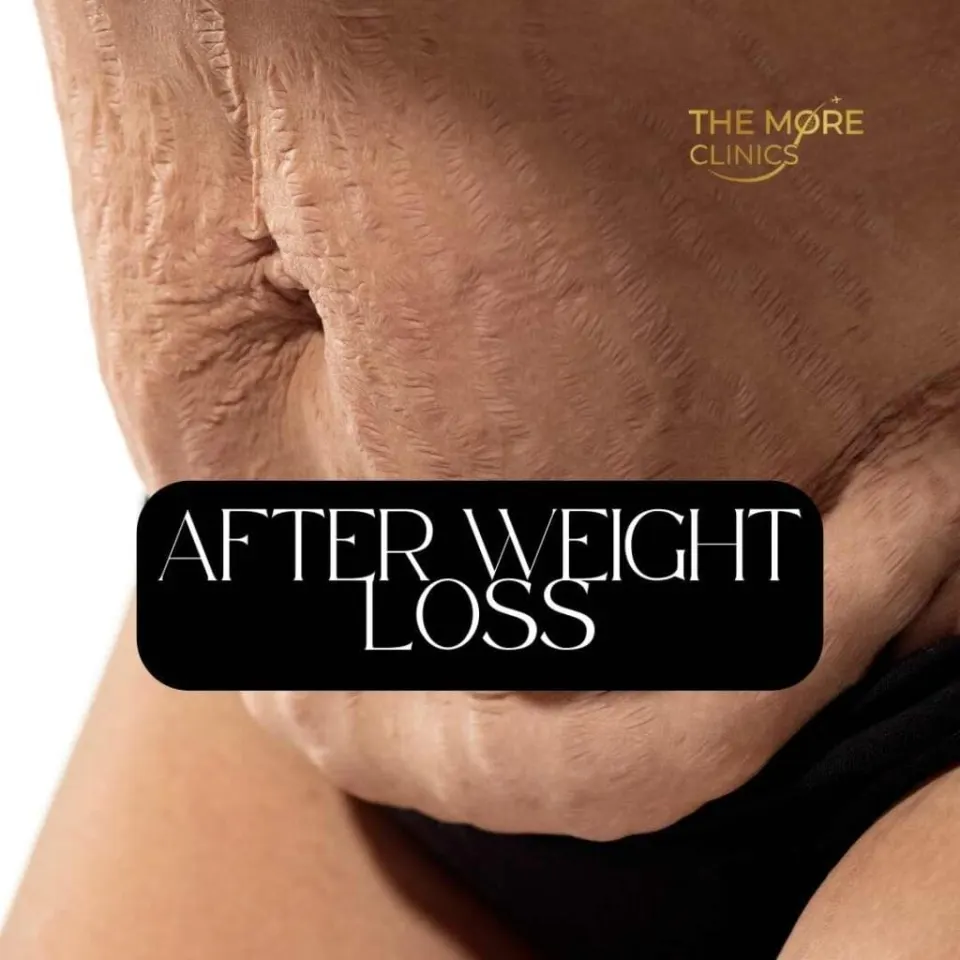
Massive weight loss often comes with an unanticipated side effect: loose, sagging skin. For many, this becomes more than just a cosmetic issue. It impacts daily life, from difficulties with exercise to skin irritation. Emotionally, it can fuel body dysmorphia – a distortion in how you see yourself in the mirror despite significant weight loss.
Dealing with excess skin necessitates additional surgeries, such as mommy makeovers, tummy tucks (abdominoplasty), arm lifts (brachioplasty), thigh lifts, and body lifts.
Gastric Sleeve Before and After Experiences
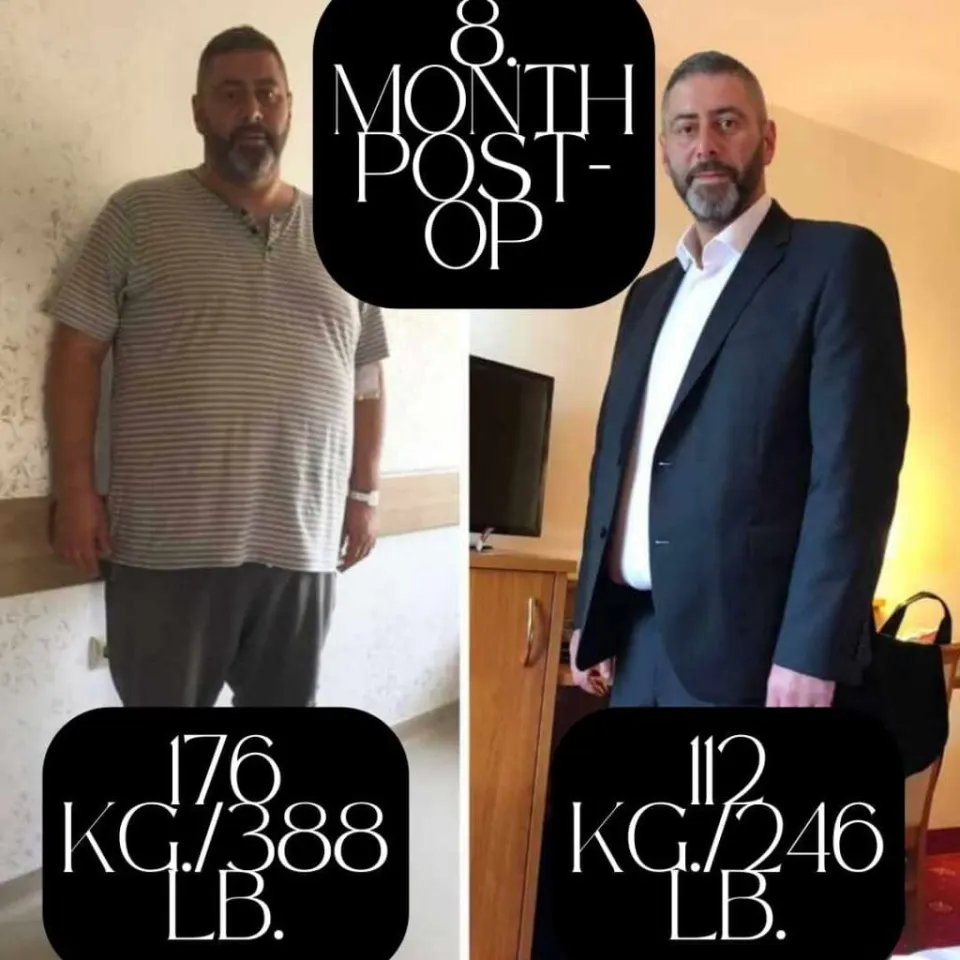
Choosing to undergo gastric sleeve surgery is a big decision, and the experiences vary widely from patient to patient. While some people achieve their health and weight loss goals, others are left grappling with unforeseen complications or unmet expectations.
Gastric Sleeve Before and After Pictures


"Ruined My Life" — Frequently Asked Questions
Can gastric sleeve really ruin your life?
For most people it's life-improving, but a minority experience lasting complications (like persistent reflux), weight regain, or emotional difficulty that they genuinely regret. These outcomes are real but often preventable with the right patient selection, expectations and aftercare.
What are the most common long-term problems?
Acid reflux/GERD (~10–30%), nutritional deficiencies (~30–50% long-term, needing lifelong supplements), and weight regain (~13–30%, usually 2–5 years on). Dumping syndrome and strictures are less common.
Why do people regret gastric sleeve?
Research points to difficult permanent dietary changes, loss of enjoyment from food, ongoing mood changes, complications like dumping, and — importantly — feeling unsupported after surgery. Regret is often about preparation and aftercare as much as the operation itself.
Is it too late if I'm already struggling?
Often not. Reflux can be managed or revised, deficiencies corrected once tested, weight regain addressed with support, and emotional struggles helped with proper counselling. Start with an honest bariatric assessment.
How do I avoid these problems if I haven't had surgery yet?
Choose an honest clinic that screens you properly, sets realistic expectations, uses an experienced surgeon and accredited hospital, and — crucially — provides lifelong follow-up, dietitian and psychological support. Ask hard questions about aftercare, especially for surgery abroad.
Is a gastric bypass better than a sleeve?
It depends on the individual — for people with significant reflux, a bypass is sometimes safer, as sleeve can worsen GERD. This is exactly the kind of decision that needs an honest, individual assessment by a bariatric surgeon.
The Last Word from The More Clinics
We help people access bariatric surgery — so we could have written a page that only lists the benefits. We didn't, because you deserve the truth: gastric sleeve transforms many lives for the better, but it's a serious, permanent operation that carries real risks and isn't right for everyone.
The people who say it "ruined" their life are usually those who weren't properly prepared, weren't the right candidate, or weren't supported afterwards. If you're considering surgery, choose your clinic on honesty and aftercare, not price. And if you're already struggling, please reach out — to us or any bariatric team — because most of these problems can be helped.
Medical disclaimer: This article is for general information only and does not replace individual medical advice. Complication rates are indicative ranges from published research and vary by individual, surgeon and aftercare. Decisions about bariatric surgery should be made only after assessment by a qualified bariatric team.
A note on wellbeing: If you're struggling emotionally after weight-loss surgery, you're not alone and it's not a failure. Please talk to your medical team, a bariatric-aware counsellor, or a trusted person. If you ever feel unable to cope, reach out to a local mental health support line in your country.
SOURCES:
NCBI/PMC Malnutrision Works
A GUIDE TO LIFE AFTER
OESOPHAGEAL/GASTRIC SURGERY"
"Long-term complications and side effects of bariatric surgery: a
systematic review"
"Diagnosis and Management of Postoperative Complications After Sleeve Gastrectomy"
"The advantages and disadvantages of sleeve gastrectomy; clinical laboratory
to bedside review"
"The effects of bariatric surgical procedures on the improvement of metabolic syndrome in morbidly obese patients: Comparison of laparoscopic sleeve gastrectomy versus laparoscopic Roux-en-Y gastric bypass"
HOW THE MORE CLINICS KEEP THE CONTENT UP TO DATE:
Our dedicated medical and editorial teams work tirelessly to stay informed about the ever-evolving world of health news. By rigorously tracking the latest research, clinical guidelines, and significant developments across various medical fields, they ensure that our content remains accurate, relevant, and up-to-date.
This includes reviewing peer-reviewed studies, consulting with healthcare professionals, and monitoring advancements in medical technology. Their meticulous efforts and attention to detail allow us to provide you with trustworthy, reliable information that you can depend on to make informed decisions about your health and well-being.
However, we still insist on getting a healthcare professional's opinion before you make any decision about your health. Consulting with a qualified expert ensures that the choices you make are informed, safe, and tailored to your individual needs.
Published: [28/02/2025]
Last Updated: [27 August 2026]
Written by The More Editorial Team and Medically Reviewed by Op. Dr. Namık Yılmaz, General Surgeon and Bariatric Surgery Specialist. See our Editorial Process.
This article provides general information and does not replace an individual medical assessment, diagnosis or treatment advice. Discuss decisions about your health and treatment with your treating clinician.